Financing & Policy
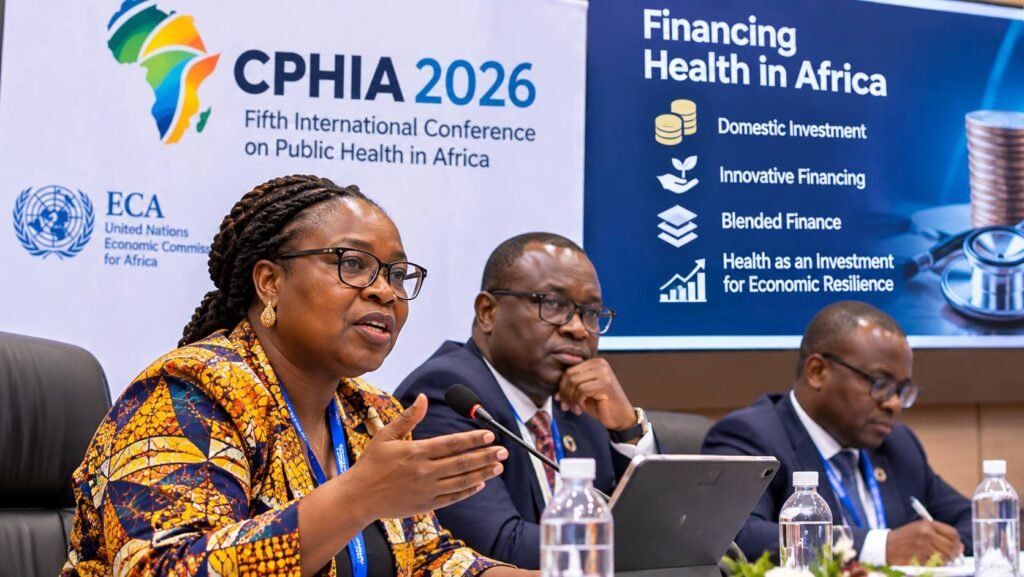
ECA urges African governments to make health financing commitments visible in budgets and track releases, spending and services to strengthen accountability.
Financing & Policy
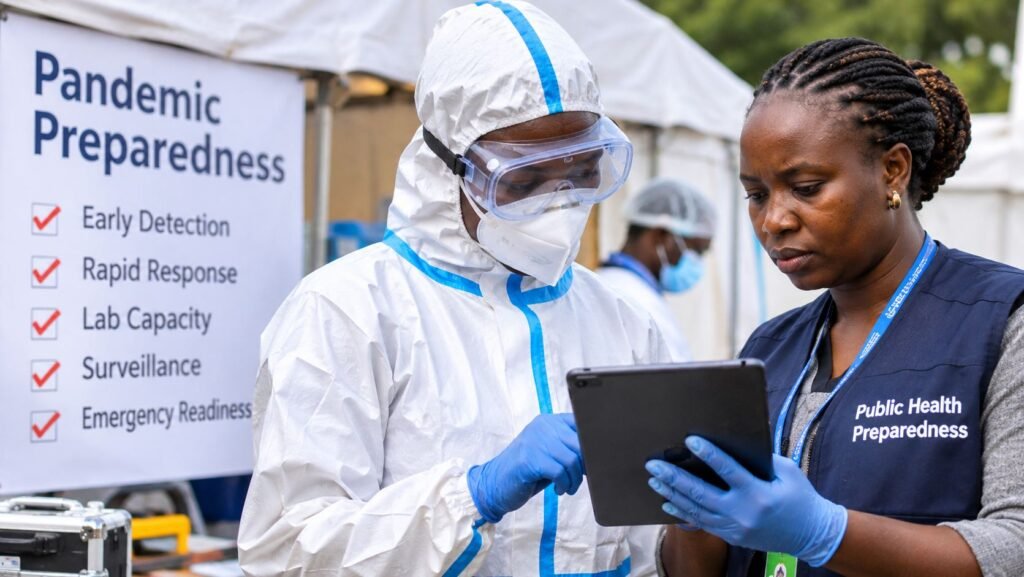
WHO Africa calls for sustained domestic investment in preparedness plans so countries can respond to emergencies without waiting for external funding.
Financing & Policy
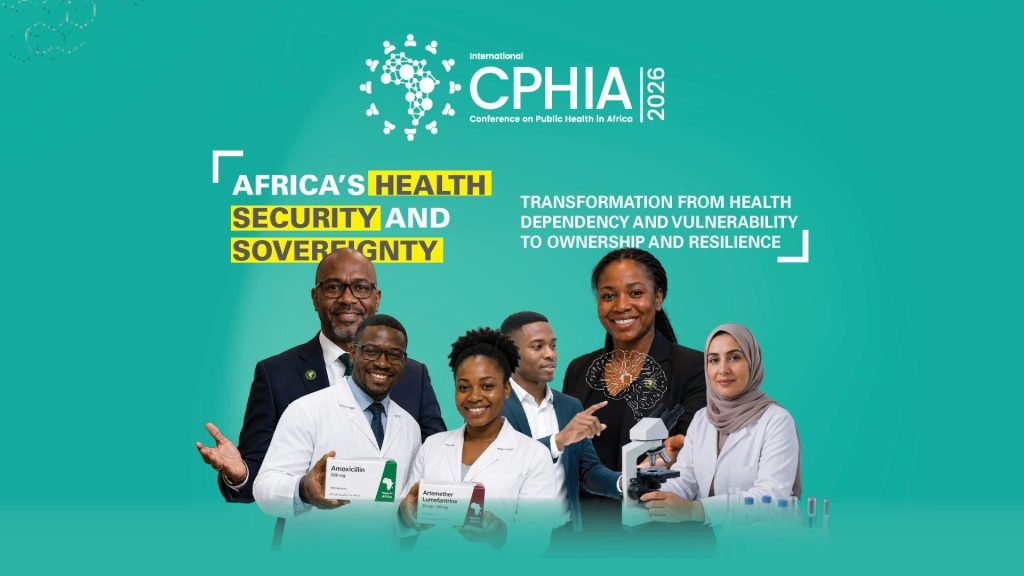
Uganda’s decade-long health-worker plan, generic lenacapavir in Zambia, DRC Ebola access, Africa CDC oversight, HIV financing, pandemic preparedness and current opportunities.
Financing & Policy
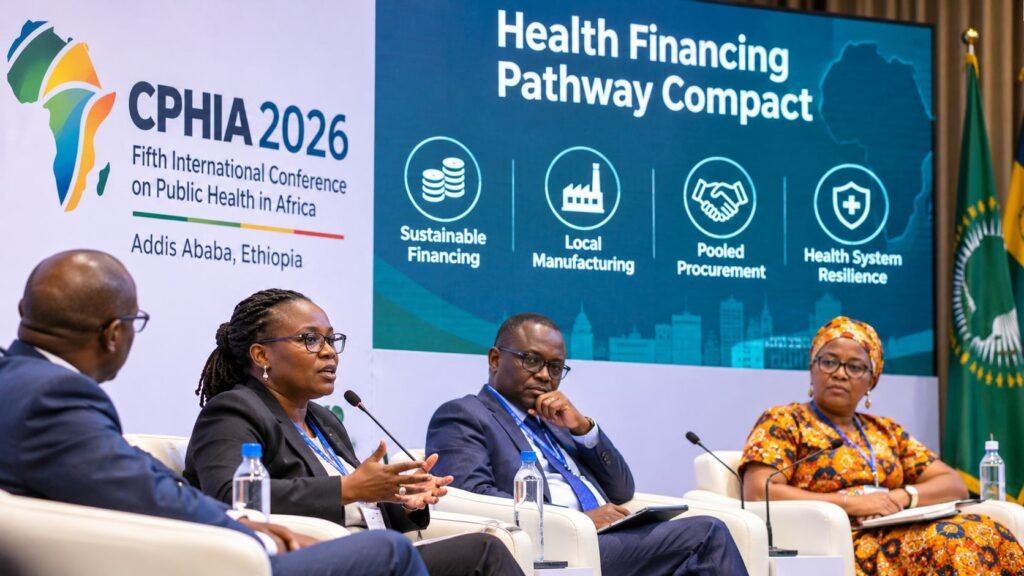
The CPHIA Health Financing Pathway Compact puts domestic financing, budget coordination and accountability in focus as African countries seek more sustainable health systems.
Financing & Policy
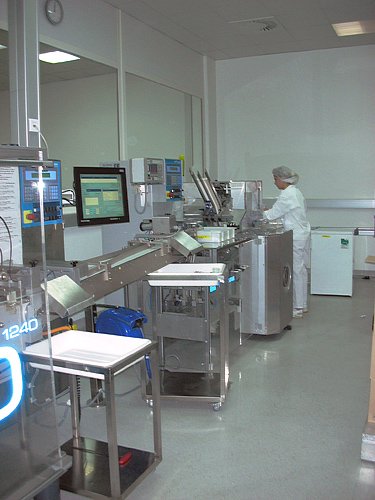
Ethiopia reports that locally manufactured medicines and health products now hold 44% of its domestic market, while separate public-procurement data show a different measure of local supply.

Financing & Policy
ECA proposes a five-stage tracker to hold African governments and partners accountable for health-financing commitments as external aid declines.
Financing & Policy
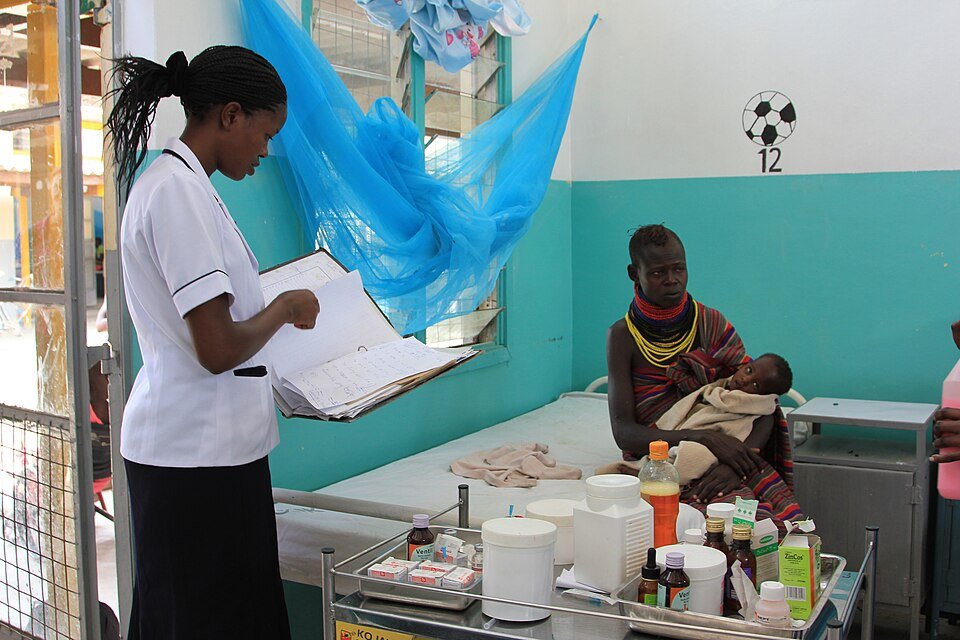
UNICEF has urged Kenya’s national and county governments to safeguard health, education, protection and social-support allocations as aid declines.

Financing & Policy
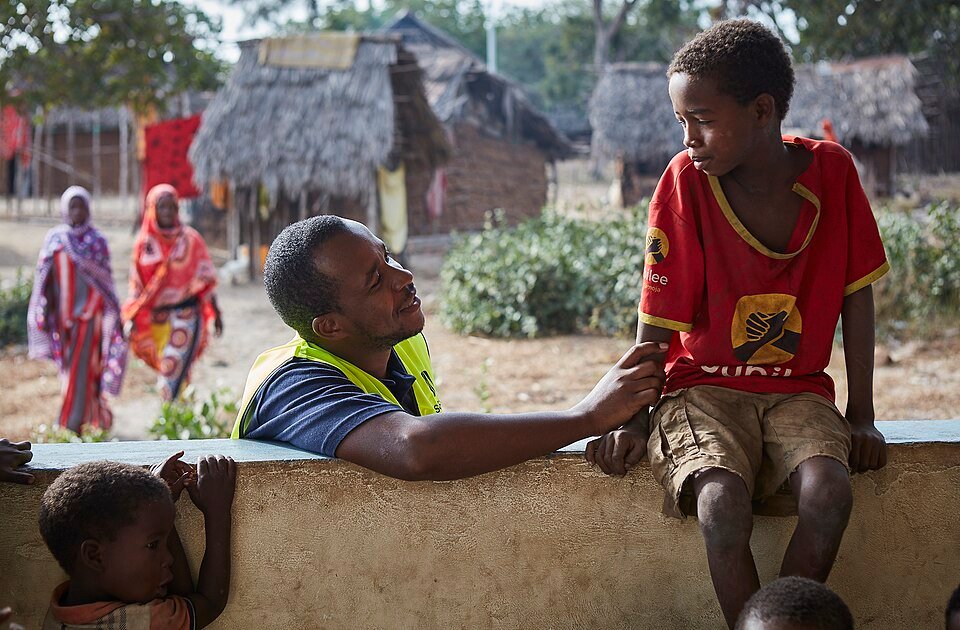
Africa’s goal to manufacture 60% of its vaccine needs by 2040 will require sustainable markets, research capacity, regulation, skilled workers and financing.
Financing & Policy
Africa’s 24 November health briefing covers adolescent-service gaps, DRC Ebola disruption, antifungal resistance, maternal health, financing, local medicine production and CPHIA.
Financing & Policy
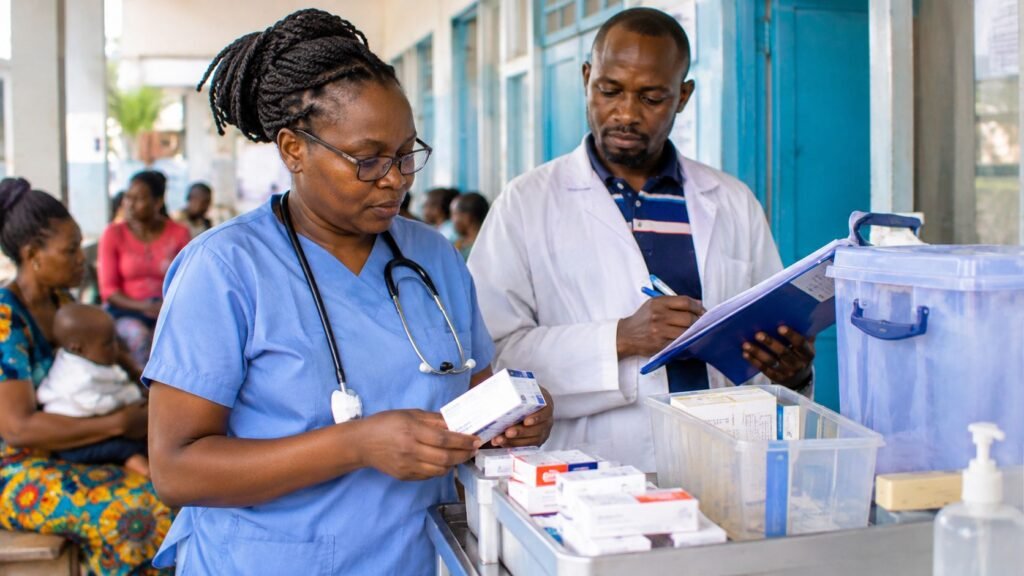
Kenya’s health financing transition will require KSh20 billion in additional domestic spending in 2028 and transfer of financing responsibilities for health workers, commodities, laboratories and digital systems.