Addis Ababa, Ethiopia — 25 November 2026
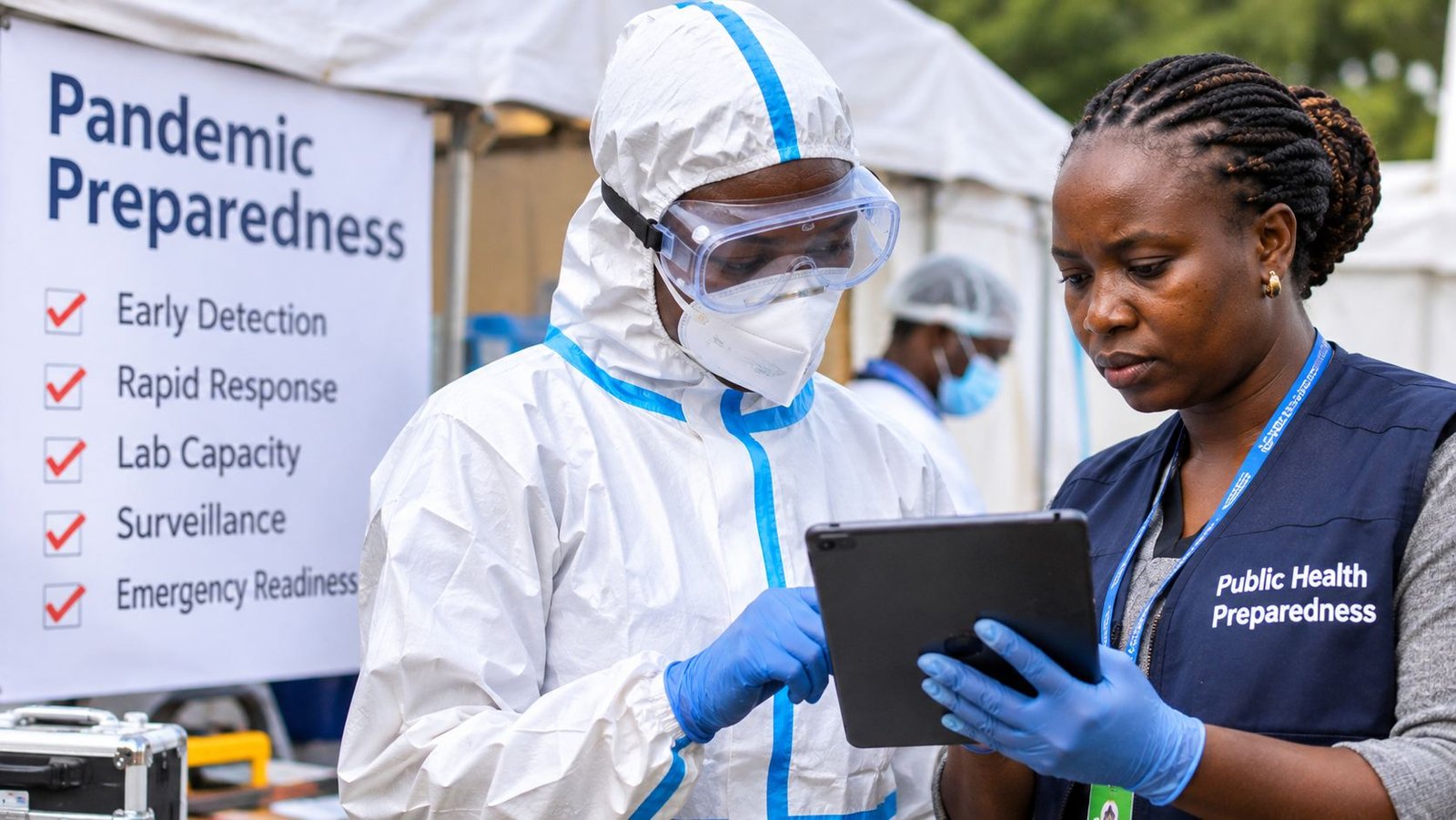
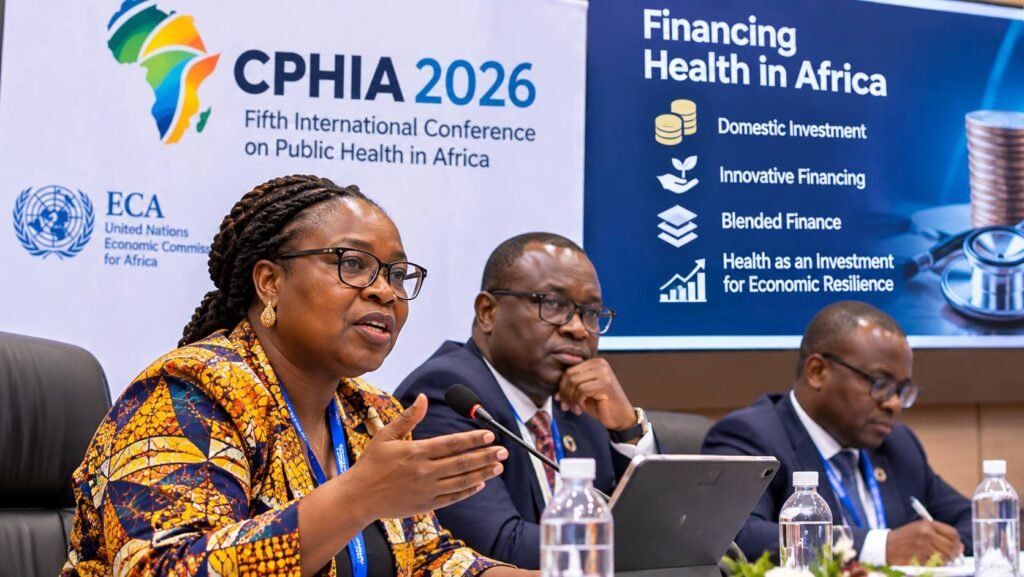
African governments should invest in pandemic preparedness before emergencies occur instead of relying on external partners to finance response after outbreaks begin, WHO’s Regional Director for Africa said during discussions at CPHIA 2026.
Dr Mohamed Yakub Janabi urged countries to fund national preparedness plans and strengthen their ability to detect, investigate and respond to health threats. Preparedness, he argued, is faster and less costly than waiting until an outbreak has escalated and emergency resources are needed.
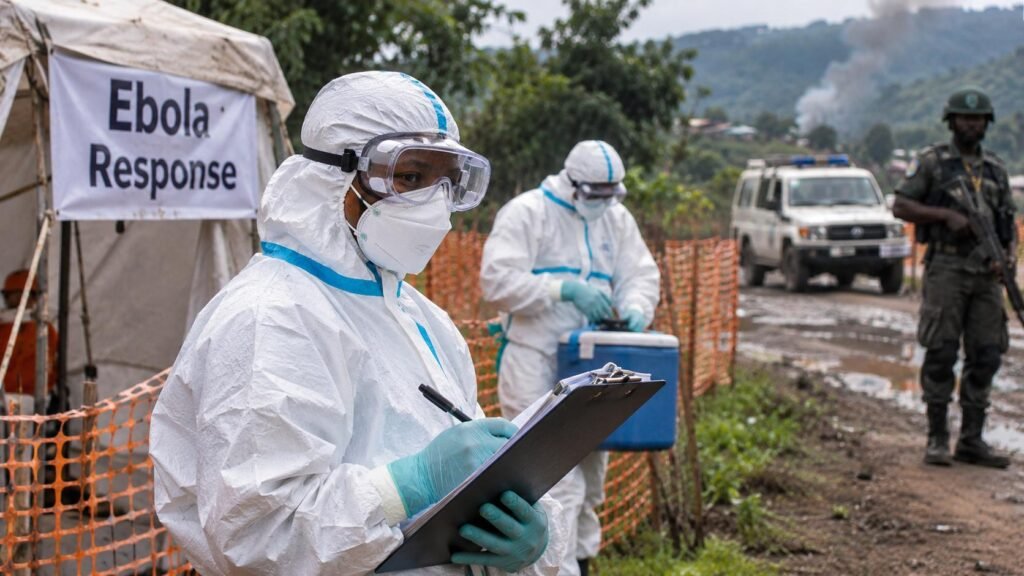
He pointed to Nigeria’s approval of 10 billion naira in June for the Nigeria Centre for Disease Control and emergency preparedness ahead of an imported Ebola case, according to the Ethiopian News Agency. This was presented as an example of domestic preparedness investment; its adequacy and impact were not independently assessed in this article.
Preparedness requires investment before the crisis
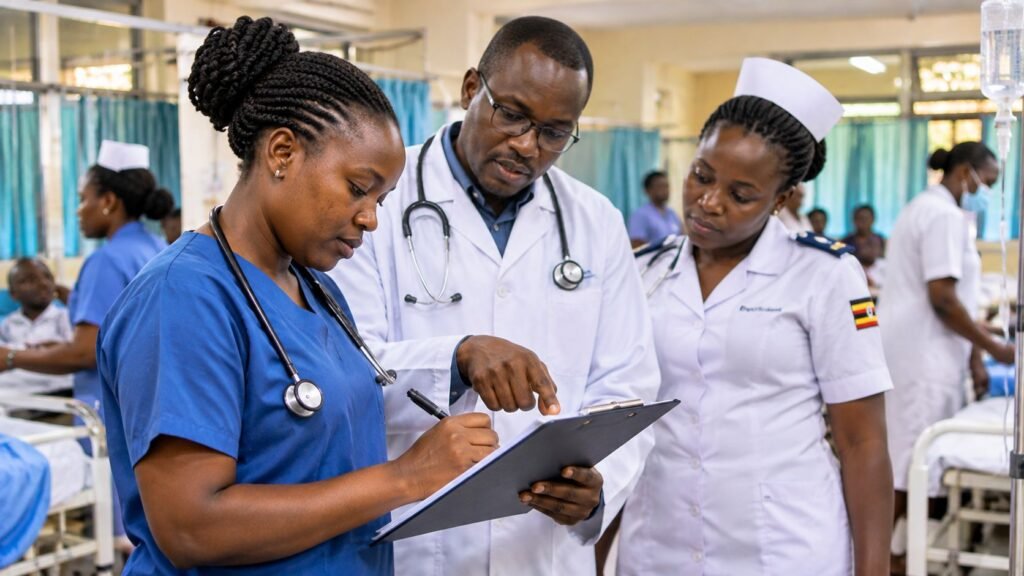
Health emergencies often expose gaps that cannot be fixed quickly: laboratories may lack supplies, surveillance systems may be fragmented, emergency teams may be understaffed and facilities may not have adequate infection-prevention equipment. Countries that maintain trained personnel, laboratory networks, stockpiles, risk communication and response coordination can act sooner when a threat emerges.
Preparedness also involves maintaining systems between outbreaks. Staff need regular training, surveillance networks must remain active, equipment requires maintenance and emergency plans should be tested. These are recurrent costs that can be difficult to sustain when funding is tied to short-term projects.
Domestic financing and regional cooperation
Moving preparedness into national budgets could make emergency functions less vulnerable to shifting donor priorities. However, allocations need to translate into timely releases and operational capacity. Health and finance ministries can work together to cost preparedness plans, identify financing gaps and track spending against readiness indicators.
Regional coordination remains important because outbreaks cross borders. Countries need compatible surveillance, information sharing, points-of-entry monitoring, laboratory cooperation and rapid communication with neighbouring states. Regional institutions can support technical standards and joint exercises, but national readiness remains foundational.
From plans to measurable readiness
Preparedness investment should be evaluated through practical measures: how quickly suspected cases can be detected and tested, whether response teams can deploy, how supplies are replenished, whether laboratories can operate and whether emergency coordination functions during simulations or real events.
The financing argument is clear: health emergency readiness cannot be built during the emergency itself. Sustained domestic investment, complemented by regional and international support, is necessary to protect people and reduce the cost and disruption of future outbreaks. Health Signal Africa’s 26 November briefing covers current outbreak and financing context.
Source: Ethiopian News Agency report, 25 November 2026 · Africa CDC background.
Related briefing: Africa Health Briefing, 26 November 2026.

Discussion