Financing & Policy
Improving obstetric emergency outcomes in sub-Saharan Africa: a review
From the abstract: “This scoping review aimed to identify strategies reported in the literature to improve outcomes of obstetric emergencies in SSA.”
Domestic financing, donor transition, health insurance, purchasing and public accountability.
From the abstract: “This scoping review aimed to identify strategies reported in the literature to improve outcomes of obstetric emergencies in SSA.”
From the abstract: “This study examines the socioeconomic inequality in COVID-19 vaccination uptake among reproductive-age Nigerian women.”
From the abstract: “An exploratory qualitative study was conducted in urban slum and pastoralist areas of Ethiopian regions from November to December, 2023.”
From the abstract: “This study employed a two-stage cluster sampling method, and 398 residents in the Bolgatanga Municipality of the Upper East Region were surveyed with structured questionnaires acting as the primary data collection tool.”
From the abstract: “This study used cross-sectional design and 13,183 ever-married women aged 15−49 years from the nationally representative Mozambique Demographic and Health Survey (MDHS) 2022−2023.”
From the abstract: “Using 900 household observations from the 2019 FinScope Survey and an instrumental variable approach to address selection bias, the study provides robust evidence on welfare outcomes.”
From the abstract: “Therefore, this study explored strategies to ensure equitable access to stroke care services in Tanzania, focusing on the perspectives of healthcare providers, stroke survivors, and family caregivers.”

From the abstract: “Most evidence originated from high-income countries, with three randomized controlled trials conducted in LMICs (Kenya, South Africa and Vietnam).”
From the abstract: “We assessed the quality of mortality data using demographic methods and further applied Death Distribution Methods (DDM) as well as the Empirical Completeness Method (ECM) to evaluate the completeness of death registration from the 2022 mortality register and two rounds of population and housing censuses.”
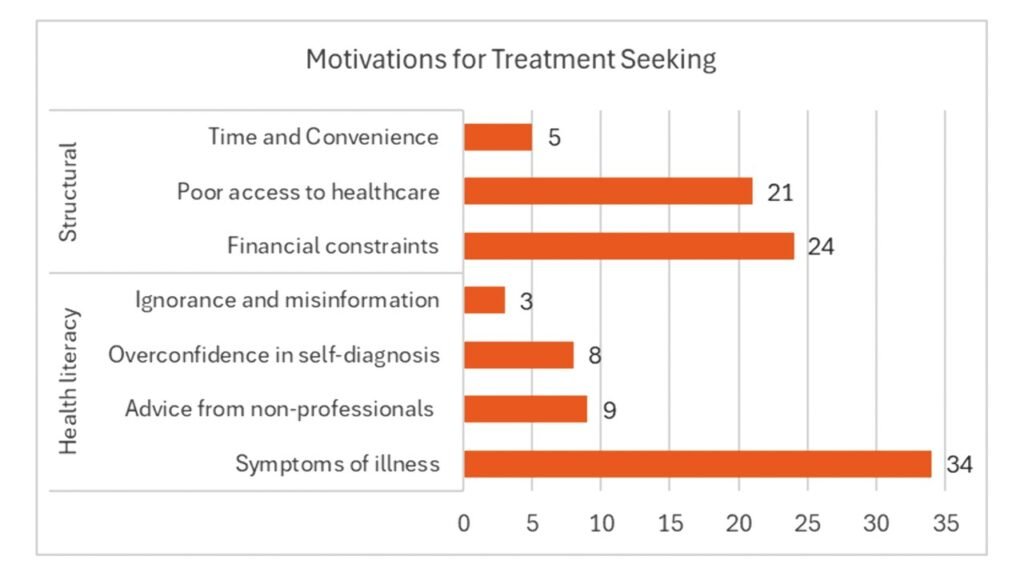
From the abstract: “This study argues that antibiotic misuse in Nigerian communities is not solely a function of ignorance but a rational response to systemic healthcare limitations, cultural logics, and informal care networks.”