News
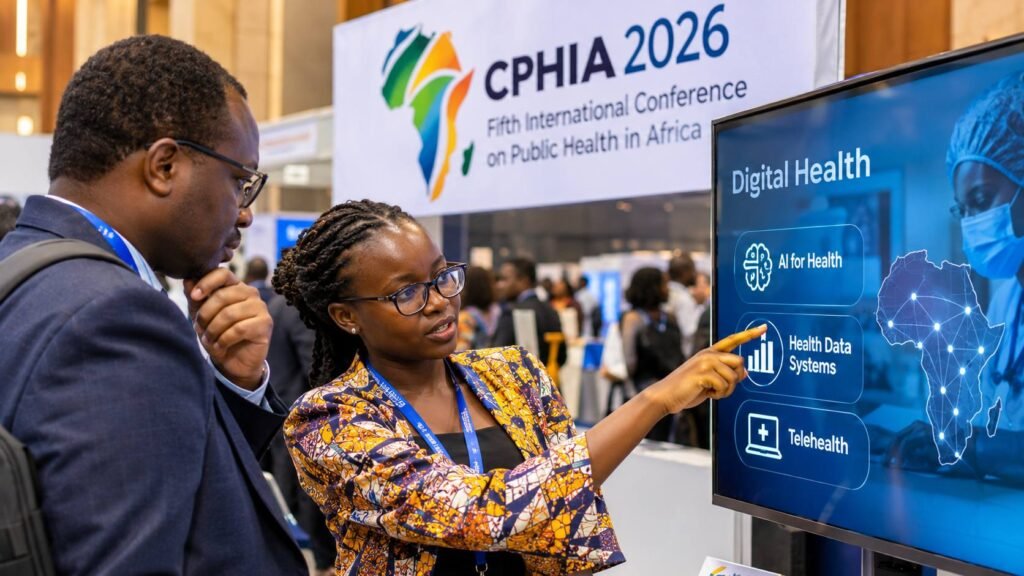
CPHIA 2026 Puts AI and Digital Health on Africa’s Sovereignty Agenda
CPHIA 2026 places AI and digital health in Africa’s health sovereignty agenda. The challenge is funding, infrastructure, data governance and practical deployment.
Health technology, diagnostics, digital health, medical devices, pharmaceutical innovation and the evidence behind emerging solutions.
CPHIA 2026 places AI and digital health in Africa’s health sovereignty agenda. The challenge is funding, infrastructure, data governance and practical deployment.
Ethiopia reports that locally manufactured medicines and health products now hold 44% of its domestic market, while separate public-procurement data show a different measure of local supply.
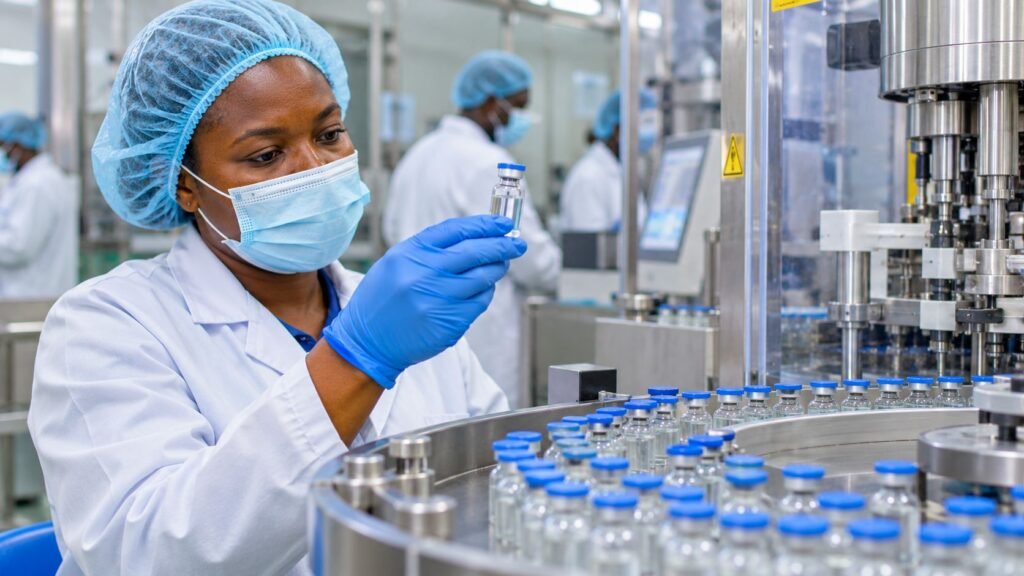
Africa’s goal to manufacture 60% of its vaccine needs by 2040 will require sustainable markets, research capacity, regulation, skilled workers and financing.
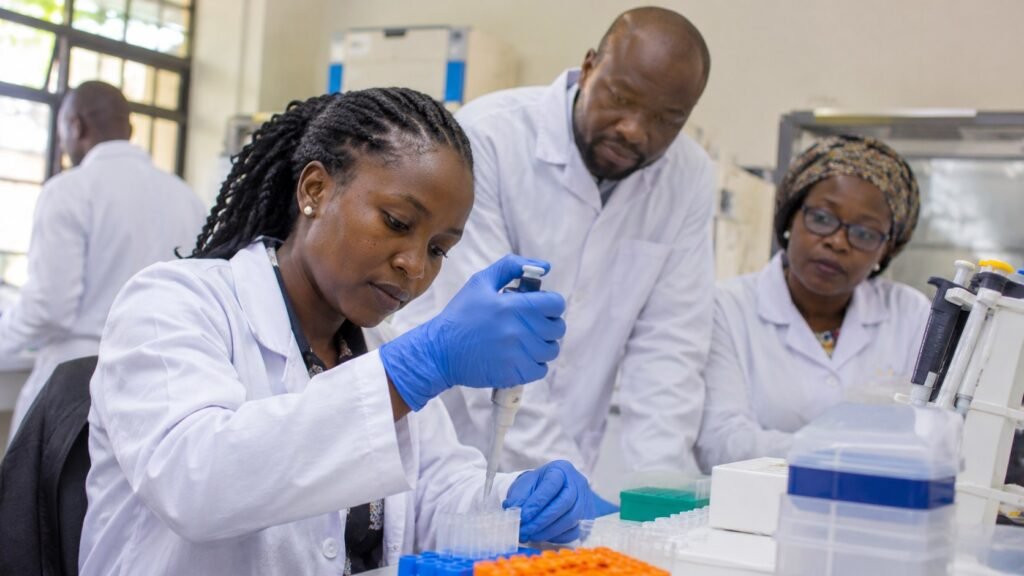
Nigeria backs vaccine research in Lafia, where the centre says it is targeting Lassa and dengue. No trial phase or results were disclosed.
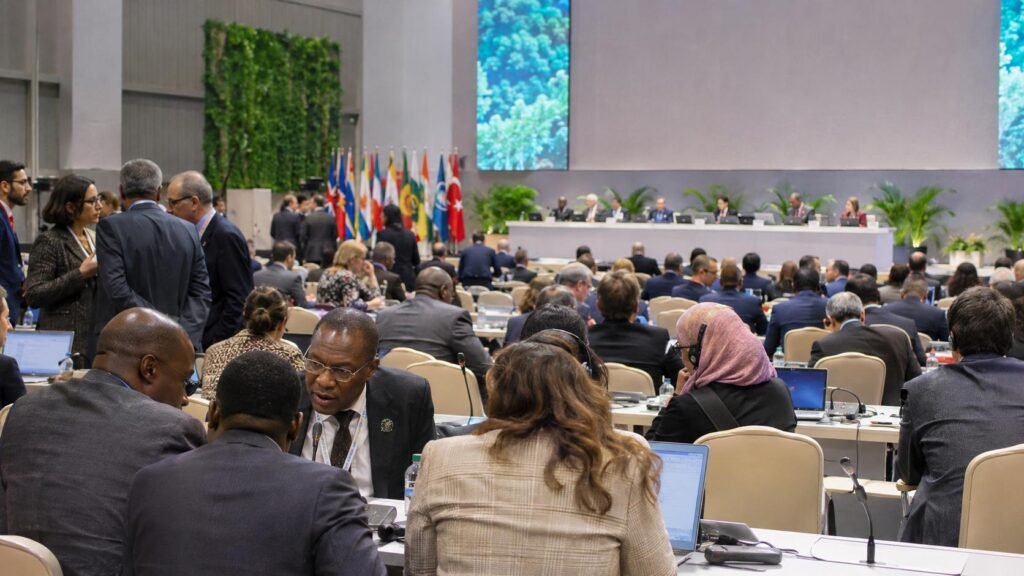
COP31 talks continued beyond the scheduled close, while health sessions focused on resilient services, climate adaptation, implementation and financing.
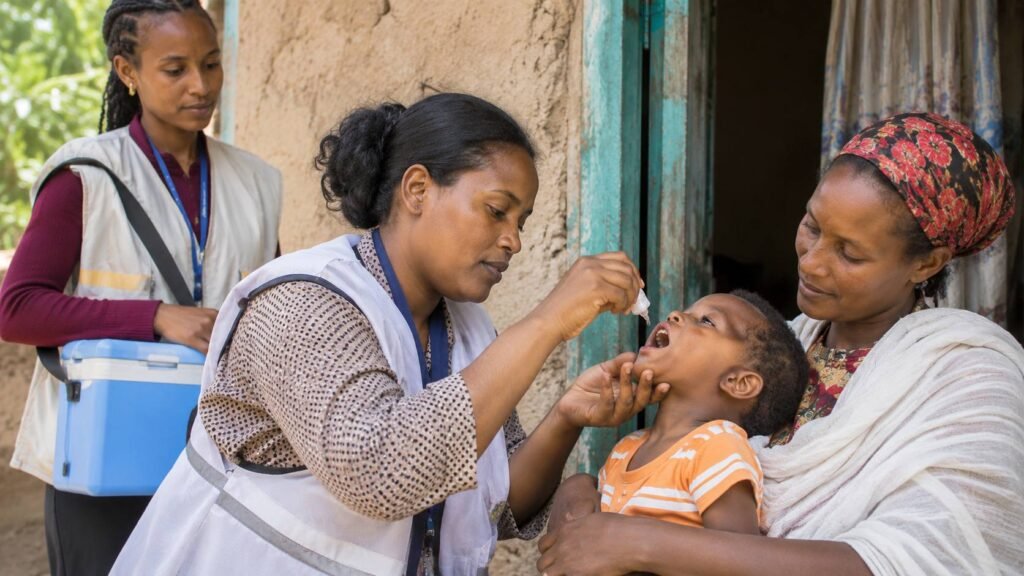
Ethiopia’s polio campaign, DRC Ebola update, South Sudan preparedness, vaccine research, maternal health, financing and health opportunities across Africa.
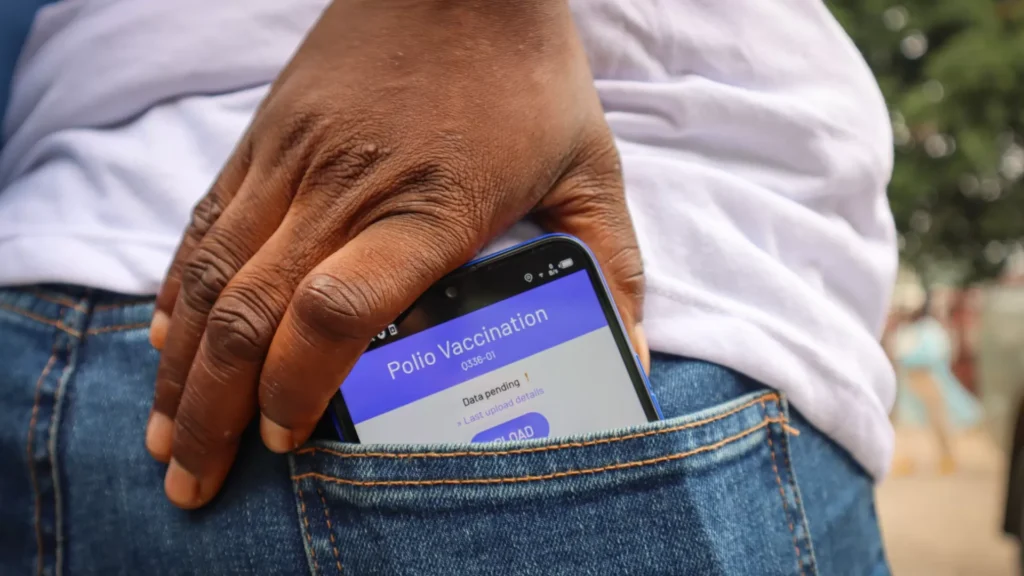
Ethiopia launches polio vaccination for more than 11.3 million children as DRC Ebola remains a PHEIC; South Sudan readiness, climate-health and research updates.
WHO’s Africa GIS Centre has added AI functions to operational polio dashboards, allowing programme officers to request maps, charts and summaries using plain language.
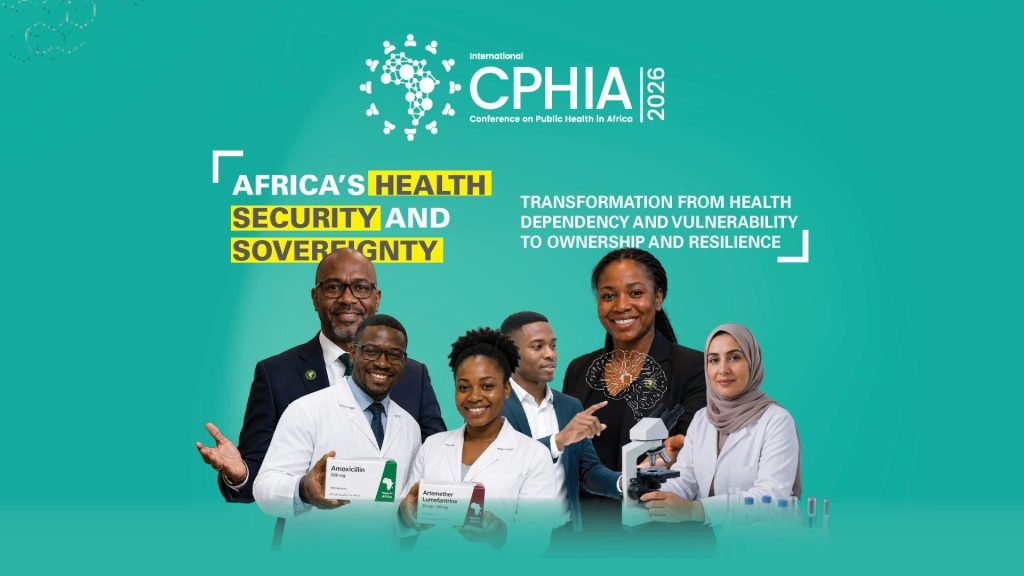
CPHIA 2026 runs 23–27 November in Addis Ababa, bringing African leaders together to discuss health security, sovereignty, financing, local manufacturing and digital health.
Kenya’s malaria net campaign, AMR action, oral health, AI surveillance, research partnerships, new malaria findings and regional health policy developments in the 20 November 2026 Africa Health Briefing.