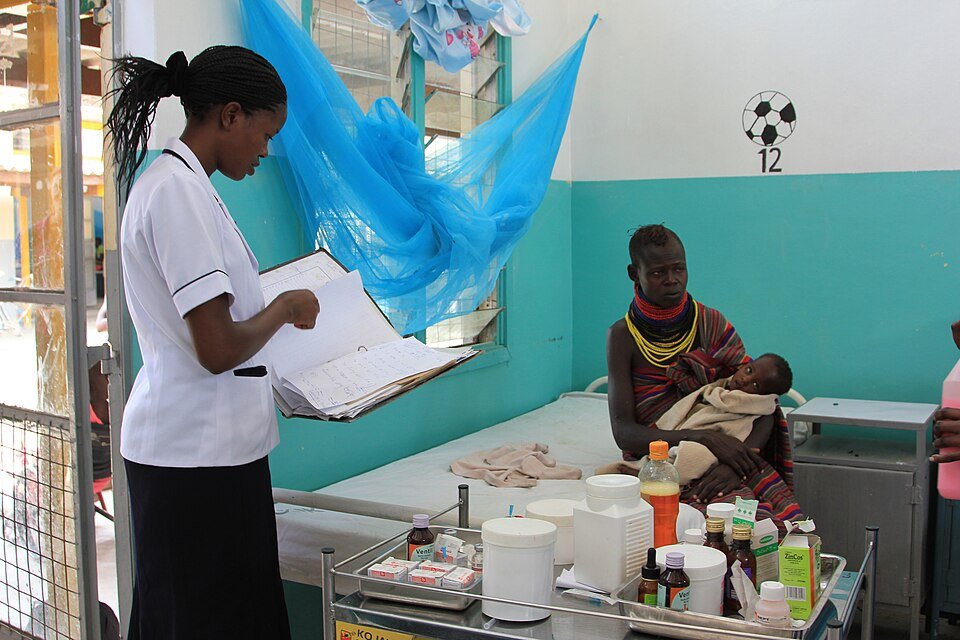
Nairobi, Kenya — 24 November 2026 — UNICEF has urged Kenya’s national and county governments to protect funding for healthcare, education, child protection and social support programmes as international aid declines, warning that vulnerable children could face deeper risks if essential services are squeezed.
The appeal was made by UNICEF Representative to Kenya Shaheen Nilofer during World Children’s Day celebrations at the United Nations Office in Nairobi on 20 November, according to reporting published by Capital FM on 23 November. She called on national and county governments to place children’s needs at the centre of budget decisions, including allocations for health, education, child protection and social assistance.
County budget choices affect frontline services
Kenya’s county governments are responsible for many frontline services, including primary healthcare and early-childhood education. Decisions by county assemblies on allocations and subsequent spending can influence staffing, medicines, referral capacity, school support and services for children in poor or remote communities.
Nilofer urged county assemblies to prioritise children when approving budgets and said governments could reallocate or reprioritise spending. She also called for protection of social assistance programmes, including grants for orphans and vulnerable children, and cautioned against balancing infrastructure spending at the expense of services that directly reach disadvantaged households.
Aid reductions increase pressure on domestic financing
The UNICEF appeal comes as development partners reduce or reassess assistance and governments face competing fiscal demands. Children living in poverty, children with disabilities and those in rural areas may be especially vulnerable when public services are underfunded or when household costs rise. The organisation also raised concerns about exposure to hazardous work and exploitation where social support is inadequate.
Kenya’s broader health-financing transition is already under scrutiny. Health Signal Africa has reported on the planned increase in domestic health expenditure and the KSh20 billion additional-spending requirement projected for 2028. The transition will need to protect essential services as external support shifts, while ensuring that national and county allocations are released and used effectively.
Budget protection needs transparent tracking
Protecting children’s budgets is more than maintaining headline allocations. Governments need to identify child-critical spending, track budget execution, publish releases and spending, and assess whether resources reach clinics, schools, social workers and communities. County assemblies and civil-society groups can use budget documents and expenditure reports to monitor gaps and hold decision-makers accountable.
Domestic revenue mobilisation and private-sector contributions may help sustain programmes, but they should not substitute for government responsibility to finance essential services. UNICEF’s earlier Public Finance for Children work in Kenya also highlights the role of public financing across health, nutrition, education, protection, social protection and WASH.
What happens next?
The immediate test is whether national and county budget approvals, supplementary allocations and cash releases protect child-focused services through the coming financial cycle. Kenya’s fiscal transition, recurring droughts, floods and disease outbreaks make continuity of services particularly important for children who already face barriers to care.
Sources: Capital FM Kenya, 23 November 2026; UNICEF Kenya, Leveraging Public Finance.
Limitations: The current appeal is based on Capital FM’s reporting of UNICEF’s statement. Two other outlets republished the same report rather than independently confirming it, and no separate UNICEF press release for the 23 November appeal was located during this review. No specific funding cut or amount was announced in the statement.

Discussion