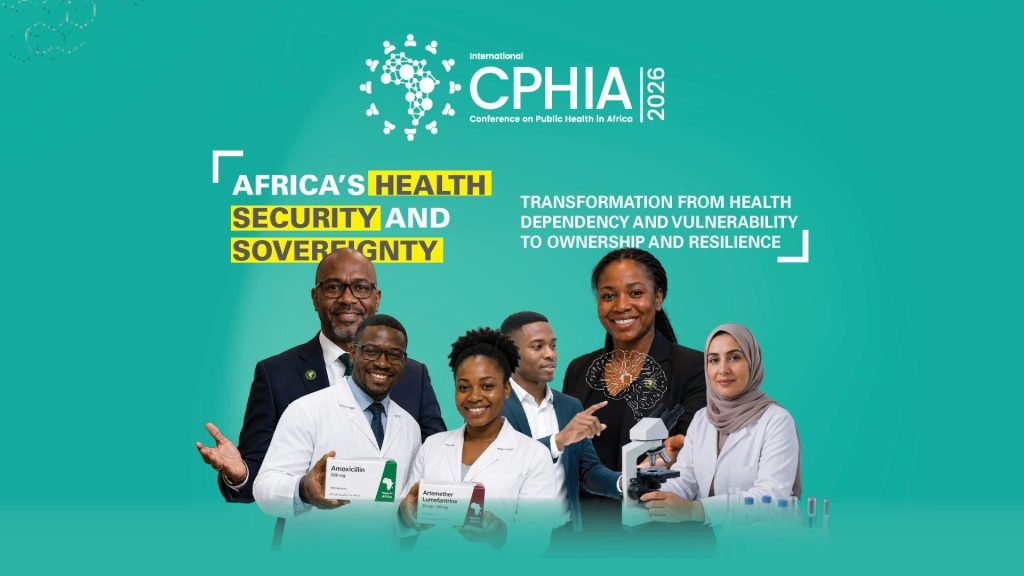
Addis Ababa, Ethiopia — 20 November 2026 — African health leaders, policymakers, researchers, public health practitioners, community representatives and partners will gather in Addis Ababa from 23 to 27 November for the fifth International Conference on Public Health in Africa (CPHIA 2026). The conference, co-hosted by the Africa Centres for Disease Control and Prevention (Africa CDC) and the Ethiopian Government, is expected to bring more than 30,000 participants to the Addis International Convention Center.
Under the theme “Africa’s Health Security and Sovereignty: Transformation from Health Dependency and Vulnerability to Ownership and Resilience,” the meeting comes as countries face declining external assistance, recurring emergencies and continuing dependence on imported health products. The programme is designed to move discussions from broad commitments towards financing, institutions, regulation, production and service-delivery decisions.
Six tracks connect health sovereignty to implementation
The programme includes reform of the global health architecture; continental pandemic prevention, preparedness and response; predictable and innovative health financing; primary healthcare and digital transformation, including artificial intelligence; local manufacturing; and climate resilience. These themes reflect growing calls for African institutions to lead health priorities and for governments to strengthen the domestic systems needed to maintain services when external financing changes.
Maternal and child health, immunisation and disease control on the agenda
Opening-day sessions on 23 November are scheduled to include the launch of the African Union Champions’ Roadmap on Reproductive, Maternal, Newborn, Child and Adolescent Health for 2026–2030, as well as discussions on leadership and financing. Later sessions are expected to cover immunisation, pandemic preparedness, continental AIDS monitoring, regulatory systems, pooled procurement, community engagement and primary healthcare. The programme also lists a ministerial dialogue with candidates for WHO Director-General.
The agenda includes sessions on local production of medicines, vaccines and diagnostics, regional regulatory cooperation and stronger research systems. These are policy and programme discussions; inclusion in the conference schedule does not mean a new policy, financing commitment or manufacturing facility has already been approved.
Digital health and climate resilience will be examined
Sessions planned for 26 November include digital health, artificial intelligence, data sovereignty and climate resilience. These discussions will be relevant to countries seeking to connect fragmented health-information systems, strengthen surveillance and make better use of routine data while protecting privacy, improving governance and avoiding costly parallel platforms. Climate-related risks are expected to be considered alongside health-system preparedness, community resilience and emergency response.
Why CPHIA matters for African health systems
The conference offers a platform for countries and regional organisations to compare approaches to financing, preparedness, procurement, local production and service integration. The practical challenge is how to turn the discussions into funded plans, regulatory capacity, a stable workforce, accessible products and accountability for results. African ownership will require national budgets and institutions to be able to sustain essential programmes, not only declarations made at continental meetings.
For researchers, implementers and civil-society organisations, CPHIA also provides an opportunity to build partnerships, share evidence and connect innovations with national needs. The event’s emphasis on health sovereignty is especially relevant to research funding, technology transfer, vaccine and diagnostic access, and the development of regional manufacturing capacity.
What to watch through 27 November
Health Signal Africa will follow the conference programme for announcements that are backed by adopted decisions, concrete funding, new implementation arrangements or published research. Scheduled sessions and projected attendance should be treated as forecasts until the event takes place. The conference is expected to close on 27 November.
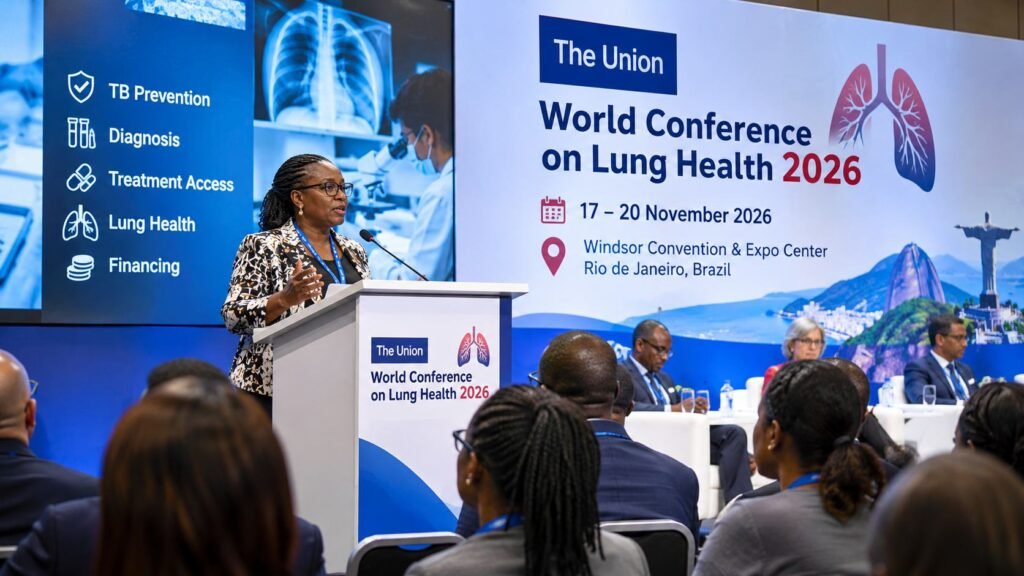
Related coverage: Health Signal Africa’s 18 November briefing and The Union World Conference on Lung Health in Rio.
Sources
Africa CDC: CPHIA 2026 conference preview; official conference website and programme.
Limitations: The attendance figure is an organiser estimate. Programme entries describe planned sessions and launches, not completed activities or adopted policies. This preview will be updated as official outcomes become available.

Discussion