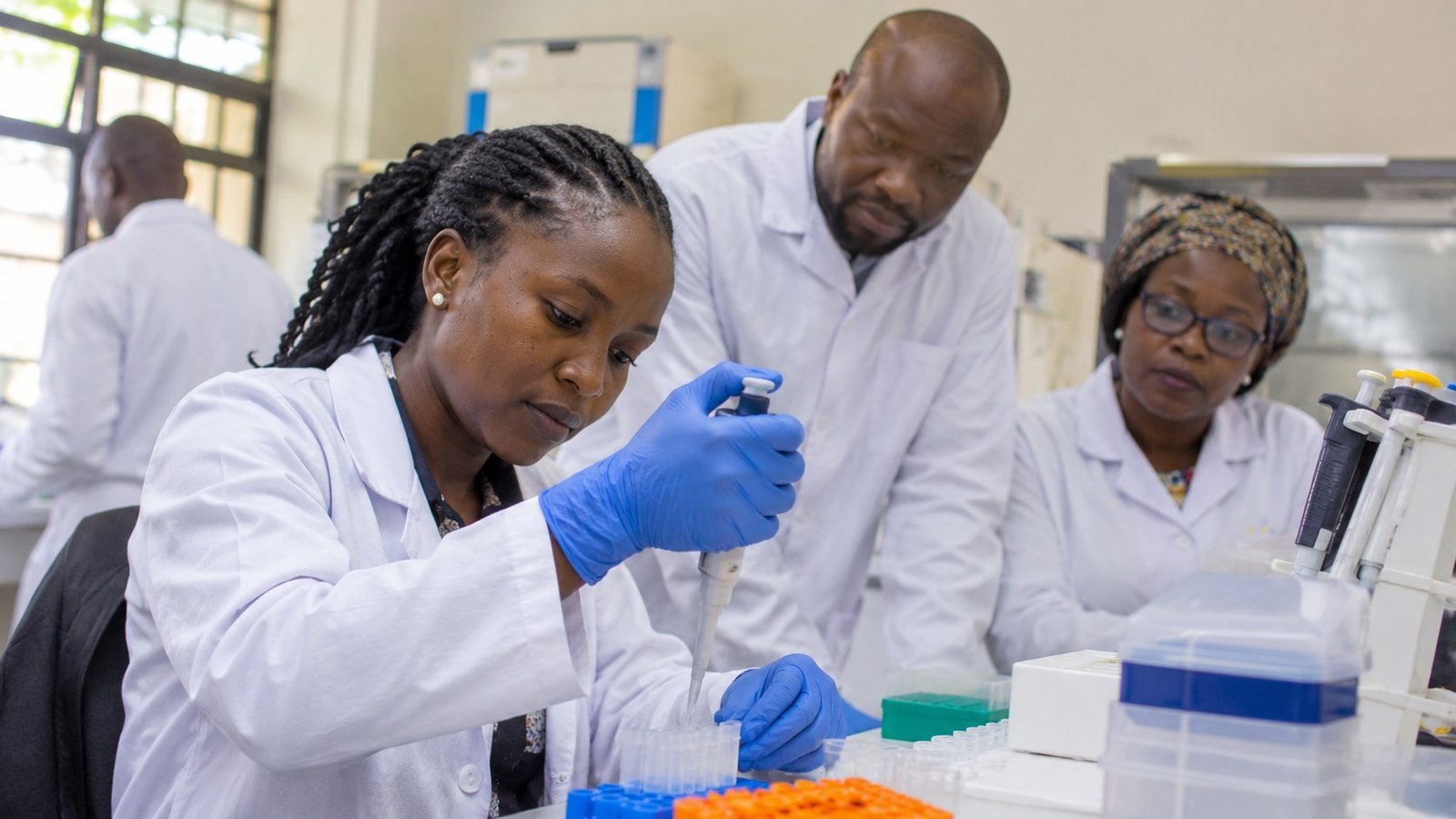
Lafia, Nigeria — 20 November 2026 — Nigeria’s Federal Government has pledged support for a vaccine-research centre at the Federal University Teaching Hospital, Lafia, as researchers seek locally developed solutions to diseases that affect the country and neighbouring West African nations. The Coordinating Minister of Health and Social Welfare, Muhammad Ali Pate, made the pledge during a visit to the Centre for Vaccine Research and Biotechnology in Nasarawa State.
Research priorities include Lassa fever and dengue
The centre has identified Lassa fever and dengue as priority diseases for vaccine research. Lassa fever is endemic in parts of Nigeria and causes recurrent outbreaks, including infections among health workers. Dengue is also a concern in tropical settings, where environmental conditions and mosquito exposure influence transmission. The centre says it is working towards vaccine development for diseases that may receive less investment from global research markets.
During the visit, the centre’s director, Professor Mustapha Imam, described the need to develop products in Nigeria rather than depend entirely on vaccines and medicines developed elsewhere. The minister said the Federal Government would support the institution and help connect it with experienced research partners. The pledge signals political support, but does not establish a new grant, procurement commitment or timetable for a vaccine.
Building a research base in Nigeria
Reports from the visit describe a centre established recently, with a growing team working on vaccine and drug-design approaches. Nexter News reported that the centre has more than 30 staff and uses computer-aided design in its research. These details were not independently confirmed through a public institutional research inventory during this review. The centre’s stated ambition is to strengthen local discovery and development capacity, including the scientific skills and partnerships needed to take promising ideas through the stages of research.
Vaccine development requires a sequence of work that can include laboratory research, candidate selection, preclinical evaluation, clinical trials, manufacturing development, regulatory review and post-approval monitoring. The public reports reviewed did not identify a specific Lassa or dengue vaccine candidate, its development stage, trial registration, study results or regulatory submission. The minister’s reference to early-stage candidates should therefore not be read as evidence of a vaccine ready for testing in people or use in clinics.
Why locally led research matters
Research investment in diseases that disproportionately affect African populations can help address gaps in global product development. Local teams can contribute expertise on epidemiology, community needs, viral diversity, clinical settings, trial recruitment and delivery constraints. Partnerships with universities, public-health institutes, manufacturers, regulators and international research networks can support quality and speed while strengthening local leadership.
For Nigeria and West Africa, Lassa research is particularly relevant because cases occur across the region and preparedness depends on surveillance, infection prevention, diagnostics and access to care as well as future vaccines. Dengue research also needs to be considered alongside vector surveillance, environmental management and clinical capacity. Neither vaccine research programme replaces established prevention and treatment measures.
Funding, governance and next steps
To move from ambition to measurable progress, the centre will need predictable funding, transparent milestones, qualified investigators, biosafety and laboratory infrastructure, independent ethics review, regulatory engagement and partnerships that support—not displace—Nigerian research leadership. Public reporting of candidate development stages and trial protocols would help researchers, policymakers and communities assess progress.
The Federal Government’s pledge is a development to watch, but the practical test will be whether support is translated into funded research, published evidence and candidates that advance through rigorous evaluation. No clinical-stage vaccine or trial result was confirmed in the sources reviewed.
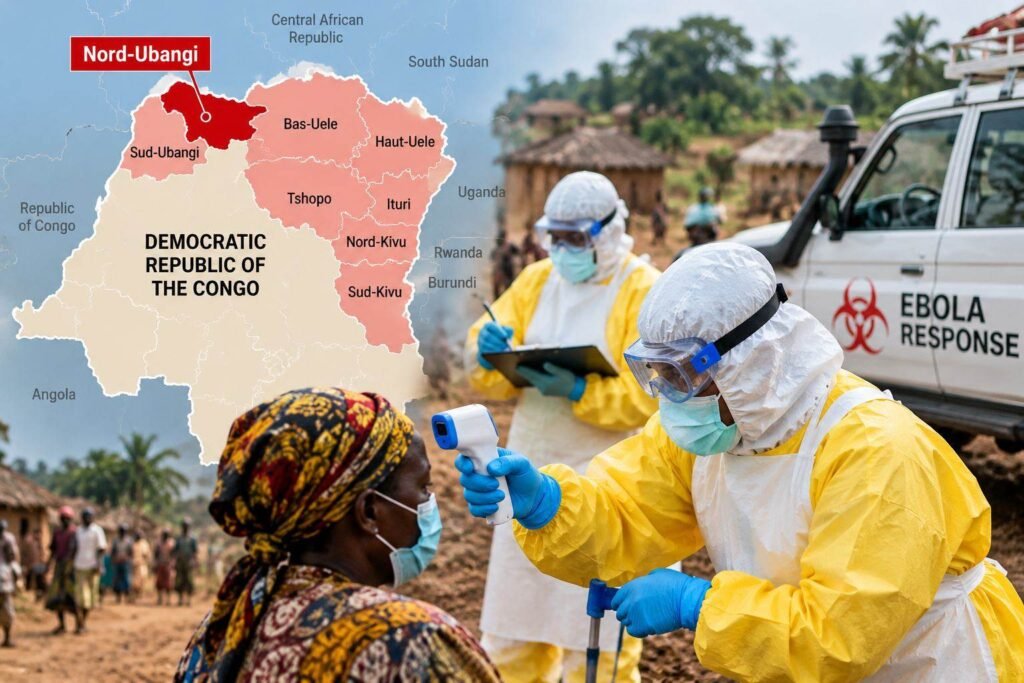
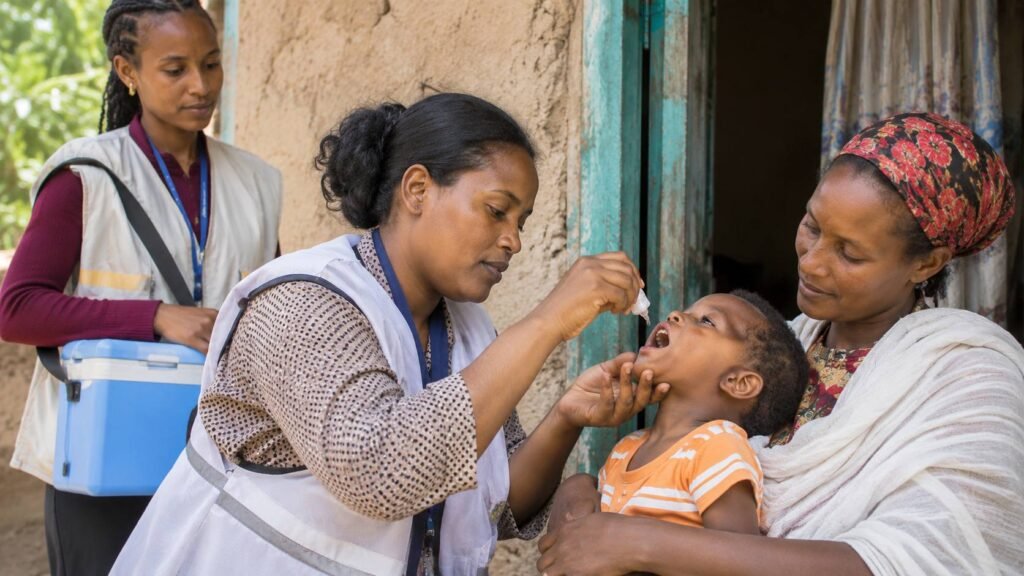
Related Health Signal Africa coverage: DRC Ebola response and Ethiopia’s polio campaign.
Sources and limitations
- Punch, 20 November 2026: Federal Government backs Lassa vaccine research in Nasarawa.
- Nexter News: Lafia centre targets Lassa and dengue vaccines.
- The Nigerian: minister’s visit and research-centre report.
Limitations: No public primary institutional announcement or detailed research pipeline was located in the accessible sources. The reports do not provide candidate names, trial registrations, clinical stages, timelines, funding amounts or peer-reviewed results. The minister’s reference to early-stage candidates is not evidence of clinical testing or readiness.
Discussion