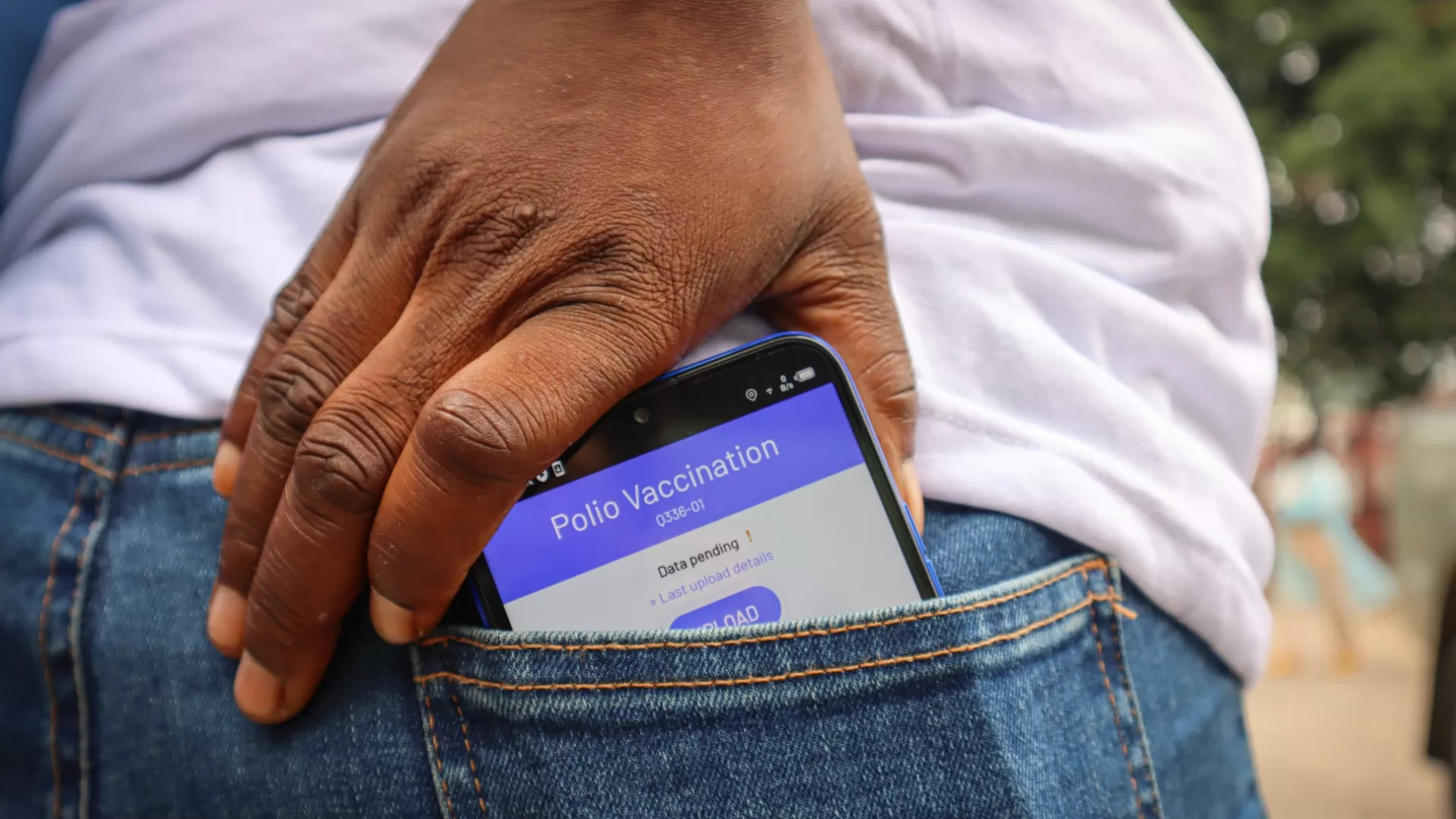
Nairobi, Kenya — 21 November 2026 — Ethiopia has launched a polio vaccination campaign targeting more than 11.3 million children, while the Bundibugyo Ebola outbreak in the Democratic Republic of the Congo (DRC) remains a public health emergency of international concern. New developments also highlight regional preparedness in South Sudan, climate-related health risks and efforts to strengthen African clinical research systems.
Ethiopia launches polio campaign targeting more than 11.3 million children
Ethiopia and partners have begun a polio vaccination campaign across five regions: Addis Ababa, Oromia, Central Ethiopia, South Ethiopia and Southwest Ethiopia. The first round runs from 21–24 November, with a second round scheduled for 18–21 December. The campaign aims to reach more than 11.3 million children, with house-to-house teams administering vaccine and identifying children who have missed routine immunisation.
WHO says it deployed 28 staff to support planning, training, supervision, data management and monitoring. The campaign follows detection of circulating variant poliovirus in Gambella, Oromia and South Ethiopia. Although Ethiopia remains free of wild poliovirus, variant virus outbreaks underline the need to close immunity gaps and maintain surveillance. WHO campaign details.
DRC Ebola outbreak remains a PHEIC as transmission continues
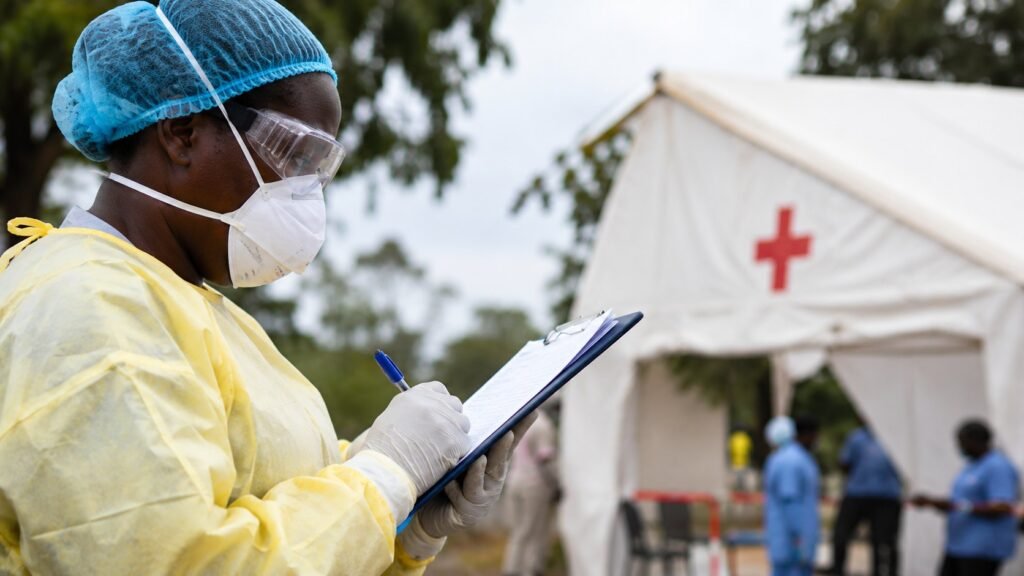
WHO reported 11,613 confirmed Bundibugyo virus disease cases and 5,678 deaths across 68 health zones in eight provinces of the DRC by 17 November. Transmission was active in 48 health zones. The WHO Director-General, following the Emergency Committee’s advice, determined on 18 November that the outbreak continues to constitute a Public Health Emergency of International Concern.
Deaths occurring outside treatment centres remain a major concern: WHO reports that 452 of the 720 deaths recorded since 28 October occurred in communities, highlighting delayed detection and barriers to timely care. Kenya and Nigeria have reported no new cases since the previous WHO update and are continuing their 42-day monitoring countdowns. WHO Disease Outbreak News.
South Sudan strengthens readiness for Bundibugyo virus disease
South Sudan is strengthening preparedness to detect and respond to a possible Bundibugyo virus disease outbreak, given the ongoing emergency in neighbouring DRC. Readiness priorities include surveillance, coordination, infection prevention, laboratory capacity, community information and preparedness at points of entry. The country has not been identified in the current WHO update as having a new confirmed outbreak; this is preparedness activity rather than confirmation of cases. WHO Africa regional updates.
African health sector raises climate and health priorities at COP31
WHO Africa reports that health-sector voices are being brought into COP31 discussions in Antalya, Türkiye. Climate shocks can compound health threats: drought, flooding, water shortages, food insecurity and infectious disease risks may occur together and put pressure on already stretched health services. The regional agenda calls for health adaptation, climate-resilient facilities, stronger early warning and attention to vulnerable communities. WHO Africa climate-health update.
WHO and EDCTP partner to strengthen African research and regulation
WHO and the European & Developing Countries Clinical Trials Partnership (EDCTP) Association have signed a memorandum of understanding establishing a framework for cooperation on health research and regulatory capacity in Africa. The partnership is intended to support research systems, clinical-trial capacity and stronger regulatory pathways. The agreement is a cooperation framework; it does not itself confirm specific new funding allocations or individual trial launches. WHO announcement.
Regional health financing and NCD priorities
WHO Africa leadership is calling on governments and partners to translate noncommunicable-disease commitments into country-led action, expanded coverage and predictable financing. Cardiovascular disease, cancer, diabetes and chronic respiratory illness require long-term prevention, early diagnosis and continuity of treatment—not only episodic campaigns. The policy challenge is to align commitments with budgets, primary-care capacity, medicines and workforce needs. Ethiopian News Agency coverage.
Technology and innovation watch
- Polio campaign data and monitoring: WHO’s Ethiopia campaign includes digital data collection and quality-assurance monitoring activities to track implementation and identify missed children.
- Clinical research and regulation: the WHO–EDCTP agreement focuses on strengthening research and regulatory systems, foundational to African-led clinical trials and evidence generation.
- Climate-health preparedness: health-sector engagement at COP31 places resilience, surveillance and early warning among priorities as climate-related shocks overlap with health threats.
What happens next?
Ethiopia’s first polio campaign round continues through 24 November, with a second round scheduled for December. WHO and national authorities will need to assess campaign coverage, identify missed children and maintain surveillance. In the DRC, outbreak control remains dependent on expanding response reach, timely detection, community trust, security and sustained resources. South Sudan’s readiness work will be important for regional preparedness, while the WHO–EDCTP cooperation framework and COP31 discussions require follow-through in country plans, financing and implementation.
Why it matters
Today’s developments underline the interdependence of vaccination, outbreak control, health-system readiness, research capacity and climate resilience. African health authorities face immediate emergencies while building systems that can detect threats, deliver routine services, evaluate innovations and sustain care. Preparedness and research agreements matter most when they translate into reliable services, accessible diagnostics and treatments, and better protection for communities.
Sources and verification notes
- WHO Ethiopia: polio campaign launch, 21 November 2026.
- WHO: Bundibugyo virus disease in DRC, Kenya and Nigeria, 20 November 2026.
- WHO Africa: South Sudan preparedness, COP31 climate-health and WHO–EDCTP research cooperation updates.
- Ethiopian News Agency: WHO calls for action on noncommunicable diseases.
Limitations: Ebola figures are WHO-confirmed as of 17 November and subject to updates. Ethiopia’s polio campaign coverage is a target, not completed reach. South Sudan preparedness does not indicate confirmed cases. WHO–EDCTP is a framework agreement; no specific funding amount is inferred. Climate-health and NCD priorities are reported at policy level and should not be interpreted as new country programme funding unless separately announced.

Discussion