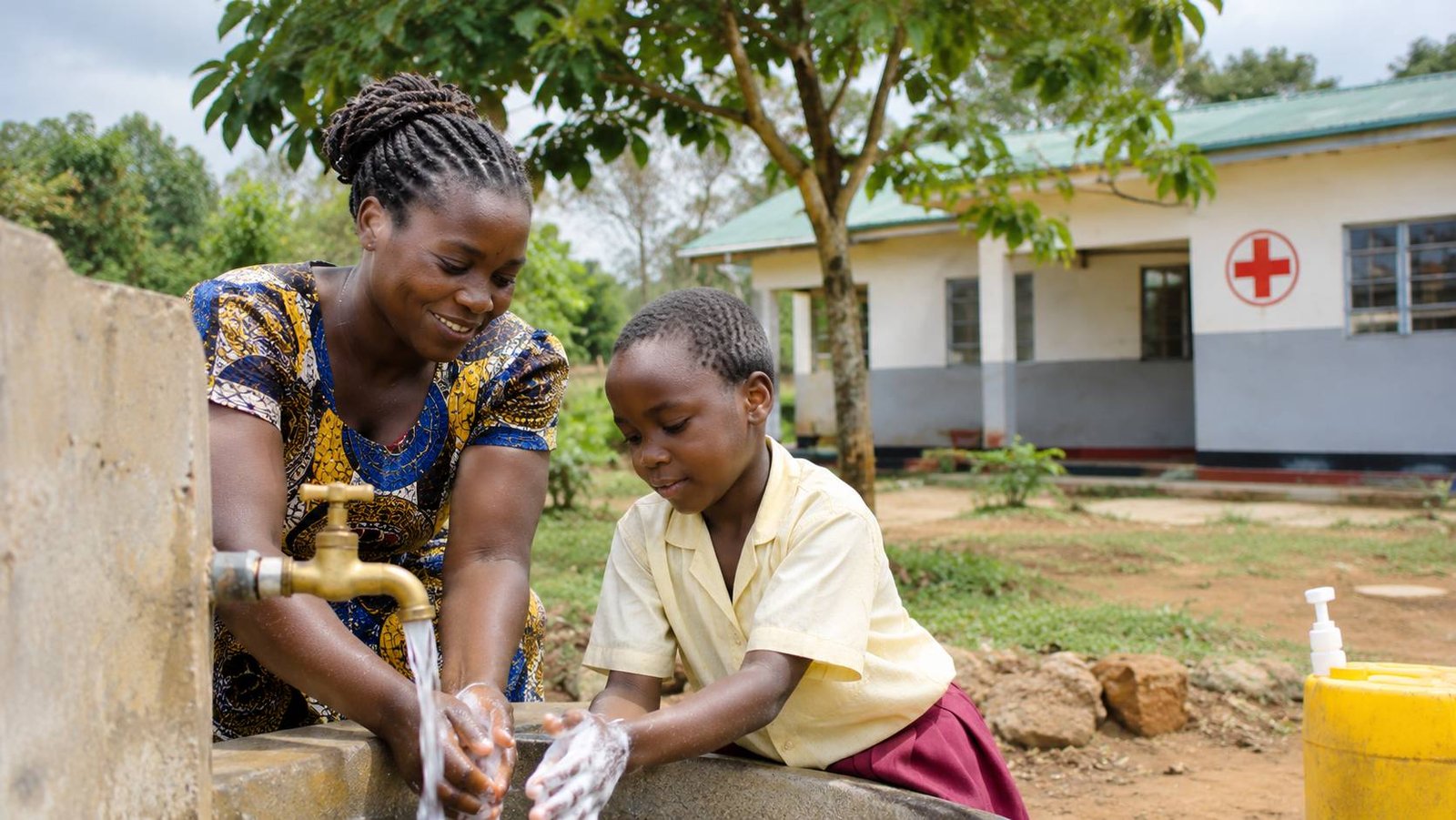
Geneva, Switzerland — Six climate and health interventions could prevent an estimated 1.6 million deaths each year if scaled globally, according to a new World Health Organization (WHO) analysis that places health protection at the centre of climate policy and investment. The measures include heat-health warning systems, climate-resilient drinking-water services, basic sanitation, hygiene facilities, cleaner household fuels and more efficient fossil-fuel pricing policies.
WHO estimates that scaling up the actions could generate US$3.9 trillion in annual economic welfare benefits and a further US$5.4 trillion in fiscal benefits. The projections are global modelled estimates, but the report has particular relevance for African countries where climate hazards, gaps in basic services and constrained public budgets can combine to increase health risks.
Practical measures rather than distant technologies
The recommendations focus on interventions that governments can implement through existing public systems. Heat-health warning systems can help authorities alert communities, adjust health facility operations and protect people at greatest risk during periods of extreme heat. Climate-resilient water and sanitation infrastructure can reduce exposure to contaminated water and help services continue during floods, droughts and other shocks.
Cleaner household cooking and heating technologies can reduce exposure to harmful air pollution while contributing to lower emissions. Efficient fossil-fuel pricing policies, including reform of inefficient subsidies and appropriate taxation, are identified by WHO as a measure with substantial potential health, economic and fiscal benefits. Such policies require careful design to protect low-income households and ensure that alternatives are affordable and accessible.
Why African countries have a major stake
Across Africa, heat exposure, unreliable water supplies, inadequate sanitation, household air pollution and climate-sensitive disease risks can place additional pressure on already stretched health systems. Urban settlements may face heat-island effects and drainage problems, while rural communities can be affected by drought, crop losses and long distances to safe water.
Climate-related health risks also intersect with poverty and unequal access to services. Older people, outdoor workers, people with chronic illnesses, pregnant women, infants and communities living in informal settlements may face greater exposure and fewer options to protect themselves. Investing in early warnings and resilient basic services can therefore deliver both health and equity benefits.
Financing and implementation will determine impact
WHO’s analysis is a global economic assessment, not a guarantee that every country will achieve the same returns. Benefits depend on the scale, quality and context of implementation. Governments will need local risk assessments, costed investment plans, clear responsibilities and monitoring systems to determine which interventions should be prioritised.
Health ministries cannot deliver these measures alone. Finance, energy, housing, water, sanitation, transport and urban planning agencies all influence the conditions that shape health. Development banks and climate funds can support investment, but national governments need to integrate health outcomes into climate plans and public budgets.
From climate commitments to public health protection
The findings add an economic argument to the public health case for climate action. For African policymakers, the opportunity is to connect adaptation plans with practical improvements in health protection: safer water, better sanitation, cleaner household energy, heat alerts and resilient health facilities.
The measure of progress will not be the number of strategies announced, but whether communities receive timely warnings, reliable services and affordable alternatives that reduce exposure to preventable health risks.
Sources and limitations
The mortality and economic benefits are modelled global estimates based on scaled-up intervention scenarios. They should not be read as observed results or as country-specific forecasts for African states.
Discussion