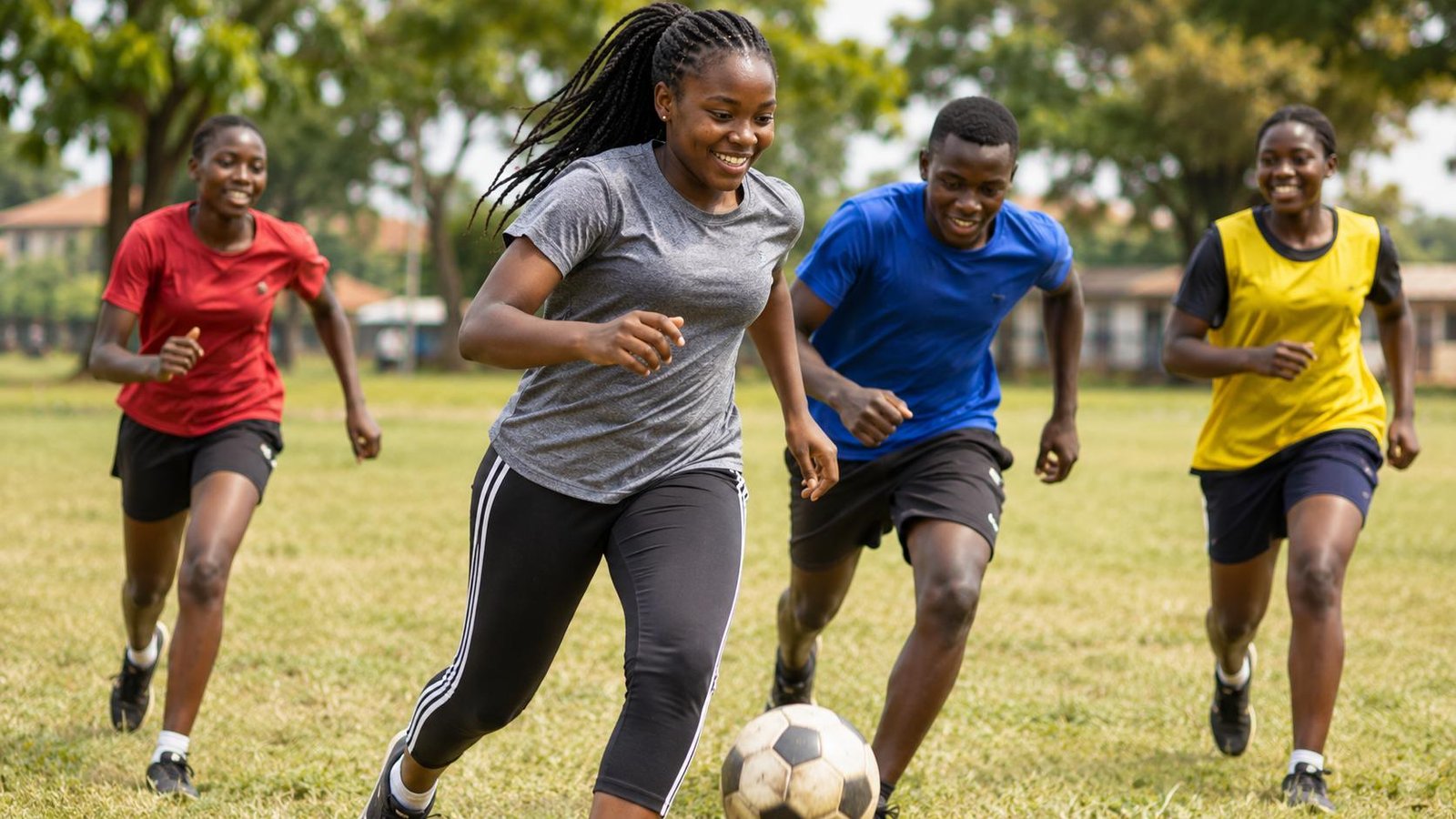
Geneva, Switzerland — One in four adolescents aged 11–17 worldwide reported no day with at least 60 minutes of moderate-to-vigorous physical activity during the previous week, according to a new World Health Organization (WHO) report that points to a persistent global public health challenge. The findings suggest that progress in creating environments where young people can move safely and regularly has remained limited over the past 15 years.
The report, A generation missing out: global trends in adolescent physical activity, 2010–2025, draws on 389 population-based surveys from 140 countries and territories, covering more than 3.2 million adolescents. In 2025, only 14% reported being active on all seven days of the previous week, while average reported activity was 2.7 days.
Girls face a persistent activity gap
WHO found that 28% of girls reported no active days, compared with 22% of boys. Only 11% of girls reported being active every day, compared with 17% of boys. The gender gap reflects barriers that can include safety concerns, limited access to sports facilities, social expectations, inadequate school opportunities and fewer safe places to walk, cycle or play.
The findings are global and should not be treated as a country ranking or as a precise estimate for every African population. However, the patterns raise important questions for African cities and communities experiencing rapid urbanisation, changing transport habits, growing screen use and unequal access to recreation and safe public spaces.
Inactivity is shaped by the places young people live
Physical activity is not simply a matter of individual motivation. It is influenced by school timetables, physical education, neighbourhood design, road safety, public transport, affordability and whether girls and boys can use parks and sports facilities without harassment or risk. Long journeys, unsafe roads, crowded settlements and limited recreational infrastructure can make daily movement difficult.
Regular activity supports healthy growth, bone and muscle development, mental wellbeing and the prevention of noncommunicable diseases. Inactivity during adolescence can contribute to unhealthy patterns that continue into adulthood, increasing the future burden of cardiovascular disease, type 2 diabetes and some cancers.
Schools, transport and urban planning are part of the response
WHO is calling for coordinated action across health, education, transport, urban planning and sport. Schools can protect time for physical education and inclusive recreation. Municipal authorities can improve safe walking and cycling routes, lighting, public spaces and access to affordable sports facilities. Community programmes can create opportunities for girls, adolescents with disabilities and young people in underserved areas.
For African health ministries, the report reinforces the need to include physical activity in prevention strategies and noncommunicable disease plans. Measuring participation by age, sex, disability and location can help identify who is being left out and whether interventions are reaching them.
Making activity possible is the policy challenge
Campaigns encouraging young people to exercise will have limited effect if streets are unsafe, school facilities are inadequate or girls cannot participate equally. The more durable response is to make movement a normal and accessible part of everyday life, through safer neighbourhoods, inclusive schools and community-led recreation.
Sources and limitations
Sources: WHO global report, A generation missing out: global trends in adolescent physical activity, 2010–2025, 4 November 2026; WHO news release, 4 November 2026.
The headline estimates are global. They combine surveys from 140 countries and territories and should not be presented as Africa-only statistics. Country-level patterns vary.
Discussion