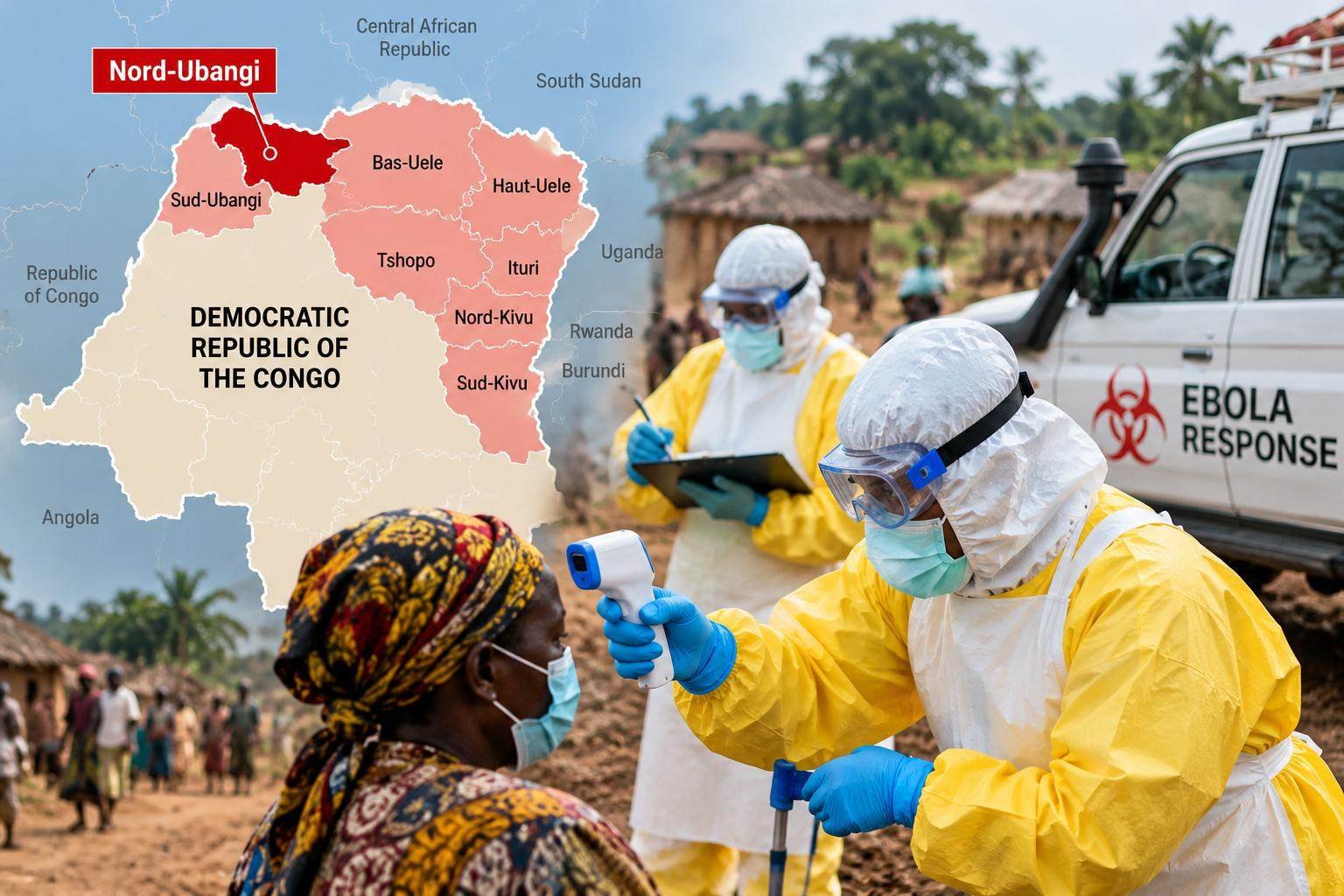
Nairobi, Kenya — 18 November 2026 — Africa’s health agenda is being shaped by a six-month Ebola emergency in the Democratic Republic of the Congo (DRC), renewed efforts to bring cervical cancer screening closer to women, a new WHO–UNICEF obesity commitment involving six African countries, and practical tools intended to strengthen antimicrobial-resistance testing. Kenya has entered the 42-day countdown after discharging its last Ebola patient, while Nigeria’s latest dashboard shows that all 62 identified contacts have exited monitoring. Across the continent, governments are also reviewing immunisation, maternal health and health-financing priorities, but implementation, access and sustained funding remain central challenges.
DRC Ebola: emergency committee reviews the international health emergency
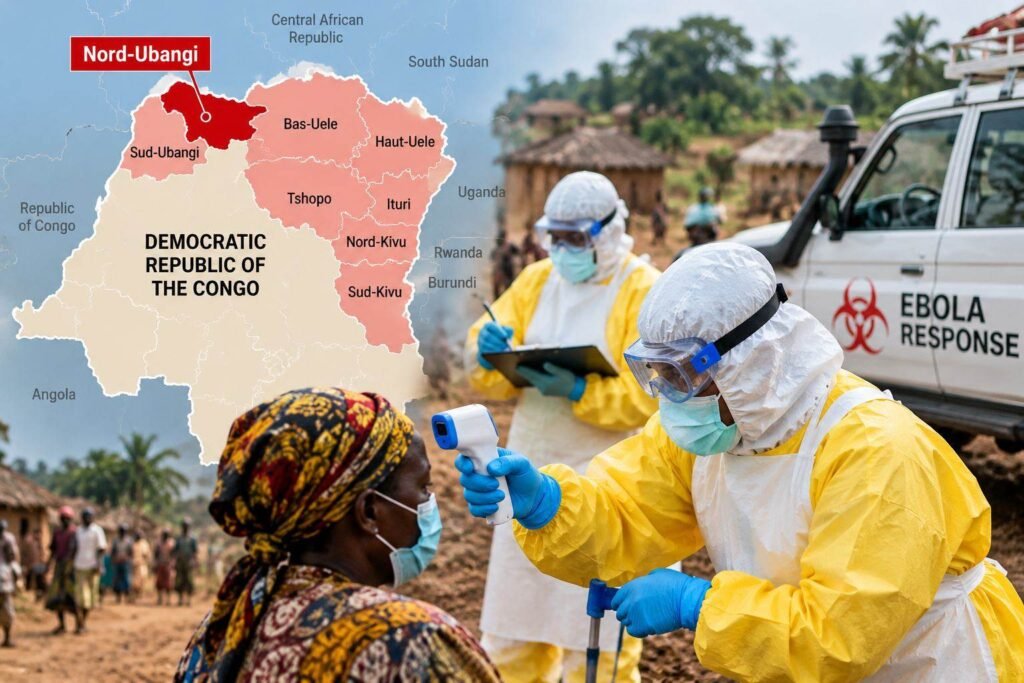
On 17 November, WHO Director-General Dr Tedros Adhanom Ghebreyesus said the third International Health Regulations Emergency Committee meeting was reviewing whether the Bundibugyo virus disease outbreak in the DRC should continue to be classified as a public health emergency of international concern. Six months after the declaration, WHO reported more than 11,000 cases and 5,400 deaths across 67 health zones in eight provinces. The Director-General said children accounted for more than a quarter of confirmed cases and one-third of deaths; seven in ten confirmed cases among children under five had been fatal.
The response has expanded, with laboratory capacity increasing from two facilities to more than two dozen, close to 2,000 treatment beds available and about 3,000 people reported to have recovered. However, WHO said 400–500 new cases were still being reported each week, two-thirds of confirmed deaths were occurring outside Ebola treatment centres and contact follow-up remained below target. More than 1,000 contacts were lost to follow-up after an attack in Cantine-Aloya that killed 66 civilians, including three health workers. A separate attack in Tshopo province killed a nurse and injured another health worker.
The committee meeting is an assessment, not evidence that the emergency designation has been lifted. WHO’s published opening remarks do not yet include the committee’s final advice or a subsequent decision by the Director-General. The outbreak remains difficult to control where insecurity, delayed payment of frontline workers, displacement and restricted access prevent early diagnosis and follow-up. See the WHO Director-General’s 17 November remarks and the ECDC situation update. ECDC’s more precise snapshot reports 11,376 confirmed cases and 5,568 related deaths as of 15 November; the cut-off and reporting definitions differ from WHO’s rounded figures.
Kenya and Nigeria: surveillance milestones do not end regional risk
WHO said Kenya’s last Ebola patient had been discharged and the 42-day countdown to the end of the outbreak had begun. The Director-General reported nine cases linked to the imported case, including two deaths. The countdown is a surveillance period; it is not a declaration that the outbreak has ended. Authorities must continue monitoring, community engagement and health-system readiness throughout the period.
In Nigeria, the National Centre for Disease Control and Prevention’s dashboard, generated on 17 November with epidemiological data through 14 November, records one confirmed imported case, no deaths, 62 contacts identified, none still under follow-up and all 62 having exited monitoring. Seven suspected cases tested negative. The dashboard also records 6,208 health-declaration screening entries on 16 November at 16 points of entry. These are screening records, not a count of unique travellers or suspected Ebola cases. Nigeria’s completion of contact monitoring is an important containment milestone, but it is not a formal declaration that the outbreak is over. The NCDC outbreak dashboard provides the latest national status.
Kenya’s Ministry of Health also reported on 16 November that discussions with the International Organization for Migration (IOM), held on 13 November, covered access to national health services for eligible migrants and refugees through registration under the Social Health Authority (SHA), a proposed flat-rate arrangement with UNHCR, and stronger disease surveillance and preparedness at airports, seaports and land borders. The agenda also includes Port Health training, population-mobility mapping and closer work with the Kenya National Public Health Institute. These are areas of proposed cooperation; the announcement does not confirm that a new agreement has been signed or that all eligible refugees have already been enrolled. See the Ministry’s IOM update.
In a separate engagement reported on 16 November, Kenya and the United States discussed operationalising the Kenya–US Health Cooperation Framework, with emphasis on a government-led transition, continuity of essential services, retaining technical expertise, stronger county systems and domestic resource mobilisation through SHA. The Ministry did not announce a new funding amount or a final implementation agreement. The Ministry’s account describes the discussions as a step towards aligning partner support with national priorities.
Rwanda brings cervical cancer screening into communities
On World Cervical Cancer Elimination Day, 17 November, the Clinton Health Access Initiative reported that a community campaign in Nyagatare District reached more than 45,000 women with HPV self-sampling kits in under three months. The reported proportion of women aged 30–49 who had ever been screened rose from 18% to 70%, and 96% of women found with precancerous lesions received treatment. The Rwanda Biomedical Centre led the campaign, with Unitaid funding and technical and implementation support from CHAI. A network of 2,329 community health workers carried kits to women who lived far from facilities. CHAI also reported that 13 of Rwanda’s 30 districts had reached key WHO elimination milestones.
The regional burden remains high. WHO estimates that 117,493 women developed cervical cancer in the African Region in 2024 and 69,600 died. Rwanda’s campaign shows how self-sampling and community health workers can reduce distance and stigma, but screening must be connected to reliable testing, treatment and follow-up. The reported 70% in Nyagatare refers to women aged 30–49 who had ever been screened; WHO’s 2030 target is more specific, requiring 70% of women to receive a high-performance test by age 35 and again by age 45. CHAI’s public account says the district met all three targets but does not publish the full district-level denominator or explain how the screening measure maps to the two-screen target. See CHAI’s campaign account and the WHO Regional Director’s message.
Six African countries join a WHO–UNICEF obesity commitment
Botswana, Egypt, Eswatini, Mauritius, Seychelles and South Africa are among 20 WHO acceleration-plan frontrunner countries that joined Spain and WHO and UNICEF on 17 November in a global call to accelerate obesity prevention and care. The commitment, “Bending the curve by 2030”, asks participating governments to reduce national obesity prevalence by 5% by 2030 through population-wide prevention, earlier support for people at higher risk and access to affordable treatment. WHO says more than one billion people worldwide live with obesity and that in 2025 obesity overtook underweight as the most common form of malnutrition among children and adolescents aged 5–19.
The proposed policy package includes support for breastfeeding and appropriate complementary feeding, healthier school environments, taxes on sugar-sweetened beverages, front-of-pack nutrition labelling, restrictions on marketing unhealthy foods to children, safer opportunities for physical activity and stronger primary-care prevention and treatment. The commitment is a political call to action, not a binding treaty or a new funding allocation. The WHO announcement does not provide country-specific baselines or implementation budgets. The WHO–UNICEF announcement lists the participating countries.
AMR: WHO publishes a tiered diagnostic package and laboratory toolkit
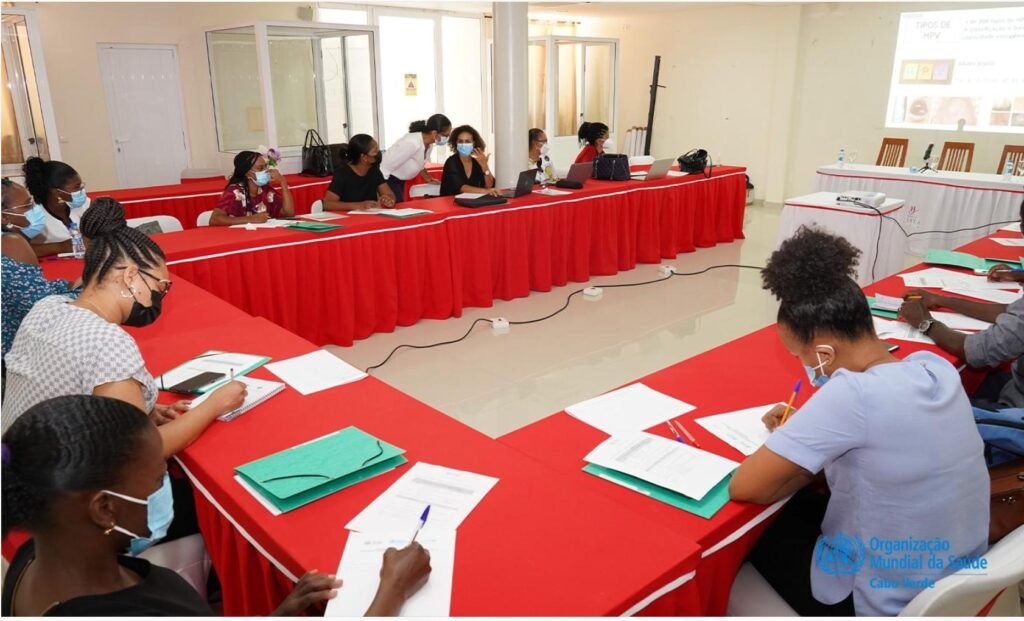
WHO published two technical resources on 16 November: an essential package of tests for bacterial and fungal infections and antimicrobial resistance, and a toolkit of standard operating procedures for bacteriology, mycology and antimicrobial susceptibility testing. The diagnostic package maps rapid, microscopy, culture-based, serological and molecular tests to different levels of the health system, from primary care to tertiary hospitals. The laboratory toolkit covers specimen collection and transport, organism identification, susceptibility testing, interpretation, reporting, quality control, biosafety and equipment management.
The resources arrive as WHO warns that national plans are not translating consistently into services. Its 16 November 2026 TrACSS update says 173 countries reported having national AMR action plans, more than double the 79 that reported plans in 2017. However, only 22% of the 183 countries that completed the 2026 survey reported both the necessary funding and full implementation. Only 36% reported having a national reference laboratory equipped to test selected bacteria and fungi. These are self-reported global figures, not Africa-specific measurements. World AMR Awareness Week runs from 18 to 24 November under the 2026 theme “One Health, one action: Prevent AMR now”. For African countries, the new package offers a framework for prioritising tests and strengthening quality systems; it does not supply laboratory equipment, reagents, trained staff or implementation funding. Read the essential diagnostic package, the laboratory SOP toolkit and the WHO AMR update.
Uganda’s integrated-care reform shows progress and uneven delivery
WHO’s 16 November account of Uganda’s health-system reform says 263 of 276 facilities assessed in a Makerere University School of Public Health evaluation were providing integrated services for HIV, TB, hypertension, diabetes and other conditions. This is 95.3% of the facilities assessed, not proof that 95% of all Ugandan facilities have fully integrated care. A separate study of three facilities in Hoima, Kabale and Wakiso found minimal to moderate integration and reported staffing shortages, heavier workloads, medicine and diagnostic stock-outs, privacy constraints and weaknesses in health information systems.
The reform aims to reduce fragmented clinics and repeated visits, but integration does not automatically improve clinical outcomes. WHO says viral suppression, TB screening and hypertension screening had not yet shown significant change in the evaluation. The next stage depends on trained staff, reliable supplies, confidential records, supervision and sustainable financing. See WHO Africa’s Uganda report and the WHO UHC Partnership account.
Kenya’s maternal and newborn health briefs call for better implementation
Kenya’s Ministry of Health highlighted policy briefs on neonatal sepsis and hypertensive disorders of pregnancy in a news update published on 16 November. The briefs call for earlier antenatal risk assessment, routine blood-pressure monitoring, reliable essential medicines, strengthened referral and emergency transport, infection prevention, better microbiology testing and antimicrobial stewardship in newborn units. The neonatal sepsis brief includes resistance findings from a defined Western Kenya sample of deceased neonates; these findings should not be interpreted as national resistance prevalence. The KEMRI-hosted PDF available during this review still carries “draft” in its file name, so the final approved version should be confirmed before it is treated as definitive policy text.
The Ministry also reported discussions with Save the Children on 12 November to strengthen care for small and sick newborns, workforce mentorship, community nutrition and data use. It reported under-five mortality of 37 per 1,000 live births, skilled birth attendance of 90%, stunting of 18% and exclusive breastfeeding of 72%, while neonatal mortality remained at 19 per 1,000 against a national target of 12. These are government-reported indicators. The Ministry said technical teams would map interventions and define responsibilities through a proposed memorandum of understanding; the announcement does not confirm that an MoU has been signed. See the Ministry’s Save the Children update.
African Union health ministers prepare for decisions in Luanda
The African Union’s Sixth Ordinary Session of the Specialised Technical Committee on Health, Nutrition, Population and Drug Control runs from 16 to 20 November in Luanda. The expert segment is scheduled for 16–18 November, with ministers meeting on 19–20 November. The agenda includes the Continental Immunisation Strategy 2026–2030, a report on the causes and drivers of maternal mortality, postpartum haemorrhage, antimicrobial resistance, the joint Ebola response, nutrition, WASH and health financing. These are documents for consideration; the meeting notice does not confirm adoption, new funding or national implementation commitments. The African Union meeting notice and media advisory set out the schedule.
Climate and health: COP31 keeps resilience on the agenda
COP31 continues in Antalya, Türkiye, until 20 November. Amref Health Africa and partners held a 17 November event on African leadership for health resilience, linking climate adaptation with NCD prevention, research, AI and resilient health systems. On 20 November, International Medical Corps, Amref, Prosper Global, the UK Foreign, Commonwealth and Development Office and the health ministries of Kenya and Somalia are scheduled to discuss climate-resilient primary healthcare, including lessons from Isiolo and Marsabit. These are agenda and knowledge-sharing events, not new funding commitments. The Amref COP31 programme and WHO Health Pavilion programme provide details.
Technology and research watch
- Bundibugyo vaccine and treatment research: WHO says more than 900 people have been enrolled in therapeutic trials. A vaccine trial using Ervebo began last month, but that vaccine is approved for Ebola virus disease caused by Zaire ebolavirus, not Bundibugyo virus. Two candidate vaccines developed specifically for Bundibugyo virus are expected to join the trial in the coming weeks. No efficacy results have been reported.
- Laboratory diagnostics: WHO’s new AMR package and SOP toolkit provide a tiered framework for tests and laboratory practice. Adoption, procurement and quality-assured delivery remain national responsibilities.
- Africa Health Data Action Agenda: The first Africa Health Data Forum ran in Nairobi from 10 to 12 November. WHO reported on 12 November that African health leaders adopted the Nairobi Health Data Action Agenda, with eight priorities including stronger national leadership, domestic financing, data quality, interoperability, skilled professionals, responsible digital health and AI, and routine use of evidence in planning. A WHO assessment of 40 countries found an overall health-information-system maturity score of 59/100; a separate SCORE 2025 assessment of 52 countries found that none had reached the highest level of sustainable capacity to use data and evidence. The agenda is a policy commitment, not proof of implementation or new funding. See the WHO announcement.
- Kenya’s digital health systems: The Ministry reported that more than 33 million people had registered under SHA through Afya Yangu and announced plans for a National Intelligence and Analytics Centre under the Digital Health Agency. These are Ministry-reported figures and a planned centre, not an independently evaluated national analytics service. See the Ministry’s forum update.
- Digital health and workforce systems: Uganda’s integration agenda depends partly on shared, confidential information systems. Global Communities is recruiting a project director for a proposed government-owned iHRIS health-worker information system in the DRC; the project is contingent on award and donor approval.
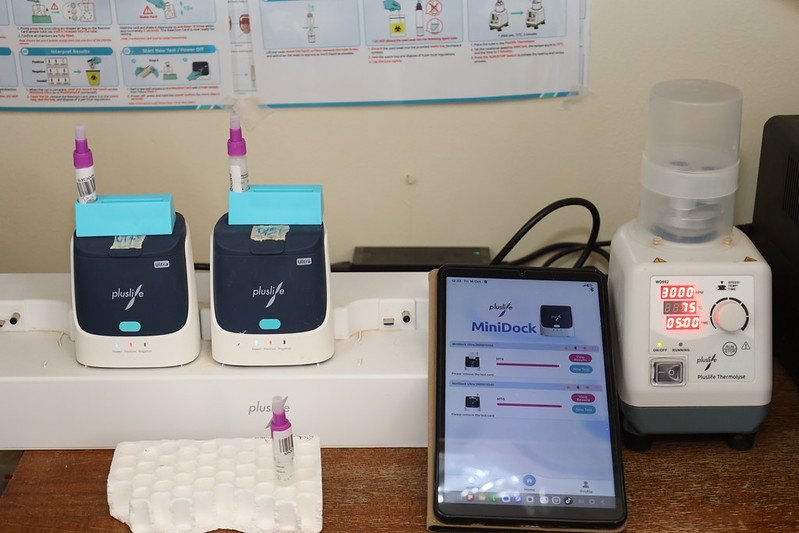
- Kenya’s NPOC ACCESS pilot: The near-point-of-care Mini-Doc MTB assay and AI-enabled digital stethoscope pilot in Kiambu remains on the innovation watchlist. No new public results or implementation update were located in this 24–48-hour review, so no new performance claim is made. See Health Signal Africa’s report on the pilot.
Health opportunities and approaching deadlines
The Health Signal Africa Opportunities page now lists 24 active health-related jobs, consultancies and tenders, alongside four general career and funding portals. New entries include three WHO AFRO consultancies in Brazzaville, an International Medical Corps senior M&E role supporting the DRC Ebola response (ReliefWeb 4238038; deadline 26 November), and a Global Communities Project Director role for the DRC health-workforce information system (ReliefWeb 4229391; deadline 30 November).
Two deadlines are especially urgent: UNICEF’s P-4 Health Specialist – Adolescent Health in Nairobi closes on 18 November at 23:55 EAT; MSF Eastern Africa requires confirmation of participation in its supplier prequalification by 18 November, while final bids are due on 2 December. Applicants should consult the official issuer links and check the live application portal before submitting.
Verification notes and limitations
The DRC Ebola figures in WHO’s 17 November remarks are rounded; ECDC’s 16 November snapshot gives a more precise count with a 15 November cut-off. The WHO Emergency Committee’s advice and any subsequent decision on the PHEIC designation were not available in the material reviewed. Nigeria’s dashboard was generated on 17 November but reports epidemiological status through 14 November; point-of-entry screening entries are not unique travellers. Rwanda’s 70% screening figure is reported as women aged 30–49 who had ever been screened, which is not identical to the WHO 70% target of screening by ages 35 and 45. The AMR capacity figures are global. Uganda’s 263/276 figure applies only to evaluated facilities. Kenya’s neonatal sepsis evidence includes a draft-labelled PDF and defined clinical samples. The AU agenda lists documents for consideration, not adopted decisions. COP31 sessions are events, not evidence of funding commitments. No new AI or NPOC ACCESS outcome was confirmed in the review window.
Sources and related coverage
- WHO: Emergency Committee opening remarks, 17 November 2026; ECDC DRC outbreak update, 16 November.
- Nigeria Centre for Disease Control and Prevention outbreak dashboard, generated 17 November with data through 14 November.
- CHAI: Rwanda cervical cancer screening results, 17 November; WHO African Region cervical cancer message, 17 November.
- WHO–UNICEF obesity call to action, 17 November; WHO AMR update, 16 November.
- WHO essential AMR diagnostic package; WHO laboratory SOP toolkit, both 16 November.
- WHO Africa Uganda integration report, 16 November; AU STC-HNPDC meeting notice, 16 November.
- Kenya Ministry of Health and IOM migration-health cooperation update, 16 November; Kenya–US health cooperation framework discussion, 16 November; Kenya–Save the Children maternal and newborn health partnership discussion, 16 November.
- WHO: African health leaders adopt the Nairobi Health Data Action Agenda, 12 November; Kenya Ministry of Health: Africa Health Data Forum, 16 November.
- Amref at COP31; WHO COP31 Health Pavilion.

Discussion