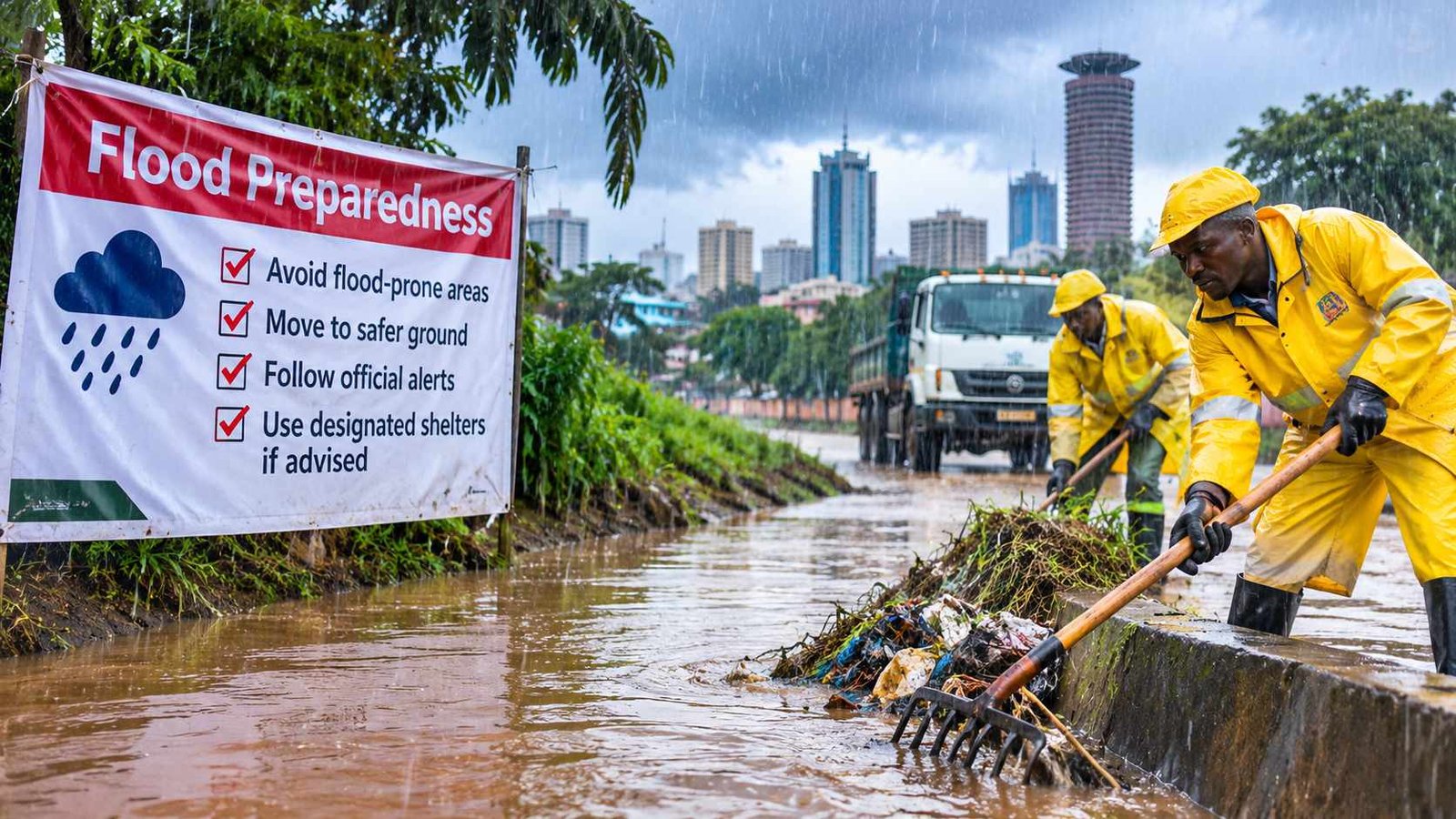
Nairobi, Kenya — Kenya is preparing for the peak of the October–December short-rains season amid warnings that about 1.5 million people could be affected by flooding. The National Disaster Operations Centre has urged people living in flood-prone areas to move to safer ground, while county authorities in Nairobi are clearing drainage channels and preparing temporary shelters as the country faces the prospect of heavier-than-usual rainfall.
An Associated Press report published on 13 November said November is expected to be the peak of the season and quoted the Kenya National Disaster Operations Centre as placing 1.5 million people at risk of being affected. Nairobi County disaster management officer Bramwell Simiyu told AP that officials had identified about 172 venues where residents could be sheltered and provided with food and medicine if evacuations become necessary. The county also plans to work with Safaricom to send emergency alerts by mobile phone.
The 1.5 million figure is a preparedness estimate, not a count of people already affected by floods. The 172 shelter venues refer to Nairobi County and should not be interpreted as a nationwide total. For the wider regional outlook, see Health Signal Africa’s analysis of El Niño, food security and health risks across Africa.
Health services face risks beyond physical damage
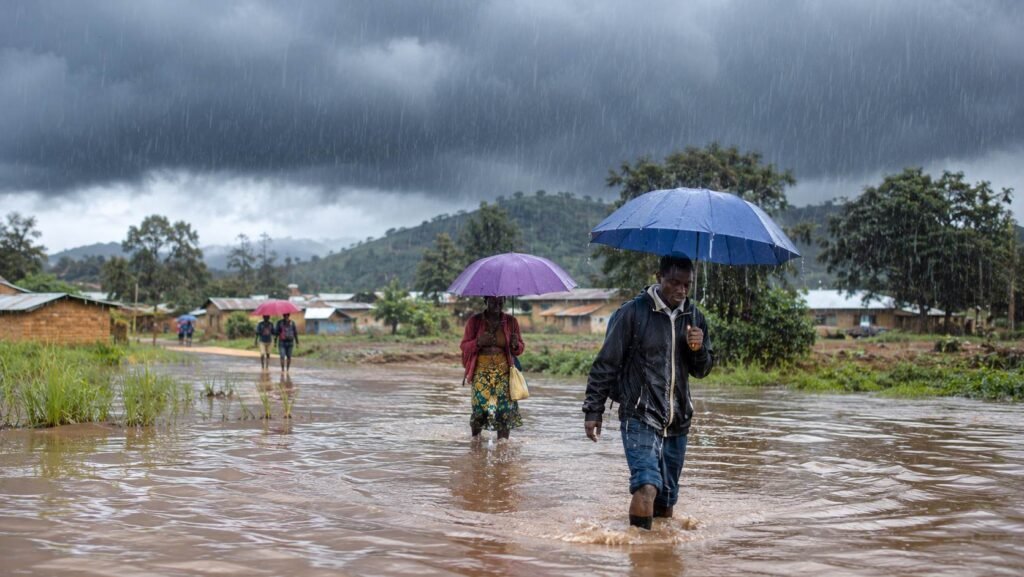
Flooding can damage roads and bridges, isolate communities and interrupt access to clinics, pharmacies and referral hospitals. It can also contaminate drinking-water sources when latrines, drainage systems and waste facilities are overwhelmed. WHO has warned that flooding can contaminate water, block access to clinics and push families into crowded shelters where cholera can spread. Other waterborne illnesses are also a concern when sanitation systems are damaged, but the specific risks depend on local conditions and surveillance.
Standing water and changes in local environmental conditions can create favourable breeding sites for mosquitoes. Whether vector-borne disease risks increase depends on local ecology, temperature, water patterns and the timing of rainfall. Health authorities should use local surveillance and climate-health advisories to identify relevant risks; this article does not imply that a malaria or Rift Valley fever outbreak has been reported.
Children under five, pregnant women, older people, people with disabilities and people living with chronic conditions may face additional risks when households are displaced or routine services are interrupted. Loss of transport, medicines, safe water and income can affect antenatal care, immunisation, HIV and tuberculosis treatment, diabetes care and access to emergency obstetric services.
WHO assessment identifies gaps in preparedness
WHO reported in September that a national assessment had identified 18 counties and 5,660 health facilities in areas considered at risk, with overall flood preparedness assessed at 54%. The Ministry of Health had activated a Health Sector El Niño Contingency Plan to coordinate preparedness and response with county governments, emergency agencies, humanitarian organisations and development partners.
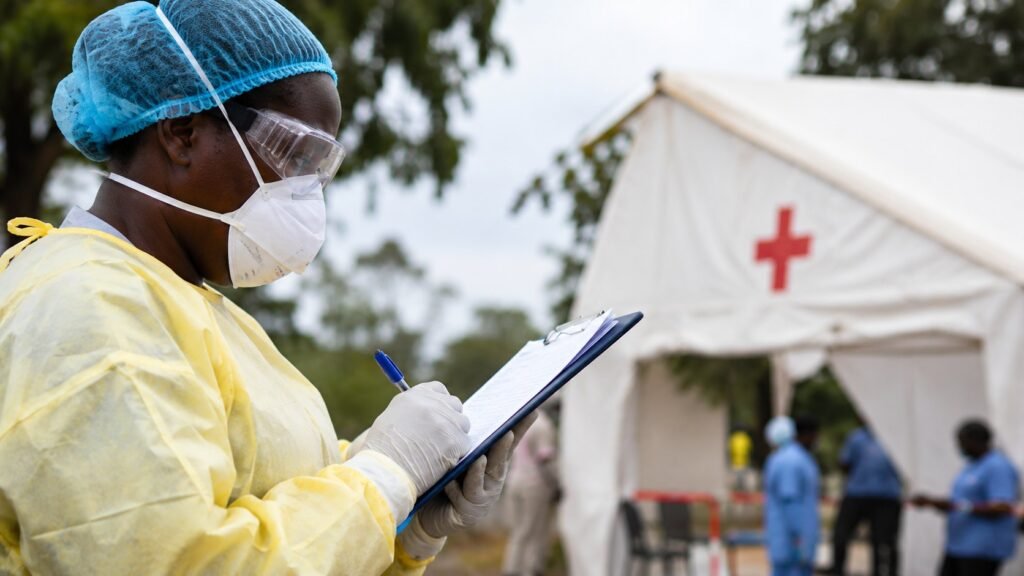
WHO also described efforts to strengthen Kenya’s emergency medical capacity. In September, the Kenya Defence Forces health security team and WHO experts worked on clinical, logistics and water, sanitation and hygiene procedures and trained an initial group of 30 team members. A tabletop exercise examined a scenario involving heavy rainfall, displacement and a cholera outbreak in temporary shelters. The exercise was intended to identify operational gaps before an emergency, not to demonstrate that all response capabilities are already in place.
Urban drainage and safe shelter are part of public health protection
In Nairobi, residents of informal settlements along the Mathare and Nairobi rivers face particular exposure because homes and livelihoods are located close to waterways. AP reported that county teams were clearing drains and river channels and that houses along parts of the Nairobi River had been demolished to maintain a recommended buffer zone. The same report highlighted the difficulty many low-income households face in moving to safer housing, even when they understand the risks.
Temporary shelters need more than space. They require safe drinking water, sanitation, waste management, protection services, accessible facilities, adequate food, essential medicines and arrangements for continuity of care. Public-health teams should be able to identify people who need regular medication, antenatal services, vaccination, mental-health support or urgent referral. Shelter planning should include safeguards for women and children and practical access for people with disabilities.
What health authorities should prioritise
Preparedness actions include strengthening disease surveillance before and during heavy rainfall, pre-positioning cholera and diarrhoeal disease supplies, ensuring water treatment materials are available, protecting laboratory and referral capacity, and maintaining reliable communication between county emergency teams and health facilities. Facilities in flood-prone areas should review backup power, water storage, medicine stocks, patient records and alternative referral routes.
Public information should be specific and accessible. Residents need clear advice on avoiding contact with floodwater, treating or boiling drinking water where advised, seeking care early for diarrhoea or fever, and following evacuation notices. Mobile alerts can help, but messages must also reach people without reliable mobile coverage, including through community health promoters, local radio, faith leaders and local administration.
Forecasts are warnings, not certainties
Seasonal outlooks describe probabilities rather than guaranteeing that a particular location will flood. The actual impact will depend on rainfall distribution, river levels, drainage, land use, infrastructure and the effectiveness of preparedness measures. The 1.5 million estimate should therefore be understood as a planning figure, not a prediction that all those people will be displaced or require medical care.
Kenya’s experience with previous floods shows why the health sector needs to prepare before roads become impassable and water systems are damaged. The coming weeks will test whether national and county plans can protect essential services while responding to the needs of households most exposed to flooding.
Sources and limitations
This article draws on Associated Press reporting published on 13 November 2026, WHO Kenya’s September 2026 preparedness updates and Kenya Meteorological Department forecast resources. AP’s 1.5 million risk estimate is attributed to the National Disaster Operations Centre; the 172 shelter venues are a Nairobi County figure reported by AP. WHO’s 54% preparedness assessment and 5,660 at-risk health-facility estimate come from its September feature and are not a new November assessment. Forecasts describe risk and do not establish that flooding or disease outbreaks have occurred.
Associated Press, 13 November 2026 · WHO Kenya, 8 September 2026 · WHO Kenya, 28 September 2026 · Kenya Meteorological Department.
Discussion