GENEVA, 6 November 2026 — Six practical measures linking climate policy with public health could prevent an estimated 1.6 million deaths each year if scaled up globally, according to a new World Health Organization (WHO) assessment that urges governments to treat health protection as a central part of climate action.

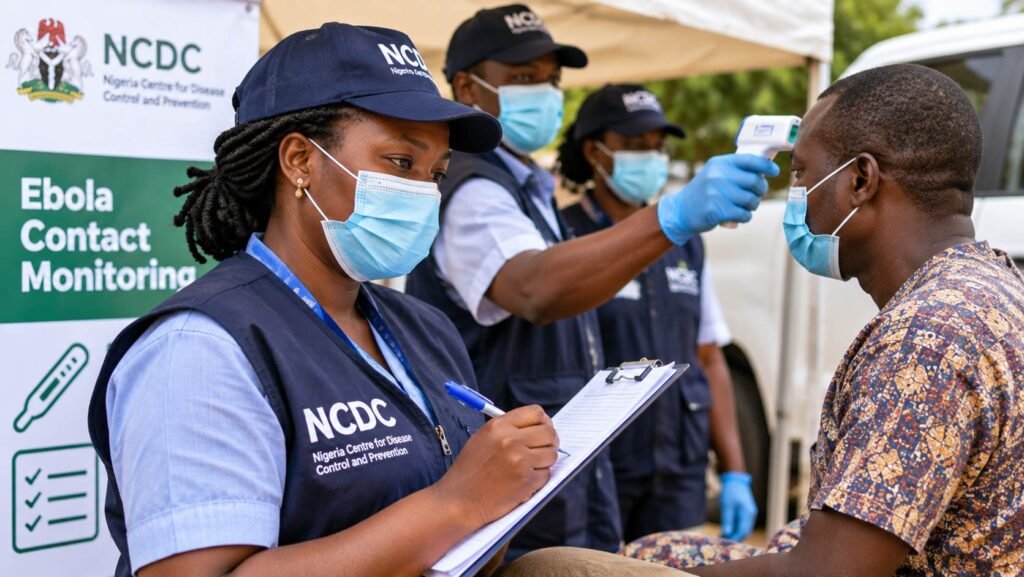
Illustrative image: A community health worker checks heat conditions near a public drinking-water point in an African urban neighbourhood.
The report, released on 4 November ahead of the next round of international climate negotiations, examines the health, environmental, economic and fiscal returns from six WHO-recommended interventions. The measures are heat-health warning systems; climate-resilient drinking-water services; basic sanitation; hygiene and handwashing facilities; cleaner household fuels and technologies for cooking and heating; and more efficient fossil-fuel pricing policies.
WHO estimates that scaling up the six actions could prevent 1.6 million deaths annually, avoid 16.7 billion tonnes of carbon dioxide emissions and generate about US$3.9 trillion in economic welfare benefits each year. The assessment also estimates US$5.4 trillion in annual fiscal benefits. These are global modelled projections, not measured results or forecasts for any single African country.
Heat, water and household energy are immediate health priorities
Heat-health warning systems are among the measures with the strongest estimated returns. WHO calculates that they could generate about US$835 in benefits for every US$1 invested, reflecting the potential to use existing forecasting and public-health systems to alert people before dangerous heat conditions lead to illness or death.
Such systems can help health authorities identify high-risk periods, communicate advice on hydration and heat exposure, organise cooling spaces and check on older people, outdoor workers and people with chronic conditions. Their effectiveness depends on warnings being connected to practical action by health services, employers, local authorities and communities.
Climate-resilient drinking-water services, sanitation and handwashing facilities address another set of risks. Floods, droughts and other climate shocks can damage water systems, interrupt supply and increase exposure to contaminated water. Investments that keep safe water and hygiene services functioning during extreme weather can reduce preventable illness while supporting schools, health facilities and households.
Cleaner household fuels and cooking technologies can reduce exposure to harmful indoor air pollution as well as greenhouse-gas emissions. The benefits extend beyond climate targets because household air pollution contributes to respiratory and cardiovascular disease. The transition, however, requires affordable and dependable energy options that households can actually use.
Fossil-fuel pricing produces the largest modelled gains
WHO identifies efficient fossil-fuel pricing policies, including removing inefficient subsidies and appropriately taxing fuels, as the action with the largest overall estimated gains. The report projects that these policies could prevent 1.2 million deaths annually and generate about US$3 trillion in economic welfare benefits and US$5.4 trillion in fiscal benefits.
For five of the six interventions, WHO estimates that each US$1 invested could yield an average of US$24 in benefits. The figures make an economic case for coordinated action across health, environment, energy, water, sanitation and finance ministries. They also suggest that the health benefits of climate policy should be included when governments assess the costs and returns of infrastructure and energy decisions.
Africa needs country-level plans, not imported global estimates
The findings are relevant to African countries facing heat exposure, water insecurity, sanitation gaps, household air pollution and climate-sensitive disease risks. But the global estimate of 1.6 million preventable deaths should not be presented as an Africa-specific figure. Governments will need local risk assessments, reliable mortality and exposure data, and costed implementation plans to determine which interventions deliver the greatest benefit in their own settings.
Health ministries can contribute by identifying climate-sensitive service disruptions, protecting water and sanitation in health facilities, strengthening heat-health preparedness and working with energy and environment agencies on cleaner household energy. Finance ministries and development partners can help by incorporating health benefits into investment decisions and ensuring that adaptation funding reaches local services and vulnerable communities.
WHO also notes limitations in the assessment. The scenarios assume ambitious expansion of interventions, some measures were not modelled as interacting with one another, and the evidence base and long-term projections carry uncertainty. The report is therefore an investment case for proven measures, not a guarantee that the estimated benefits will automatically occur.
As governments prepare their climate commitments, the practical question is whether they will fund measures that protect health as well as reduce emissions. For African health systems, the opportunity is to make climate resilience part of routine planning for water, sanitation, energy, primary healthcare and emergency preparedness.