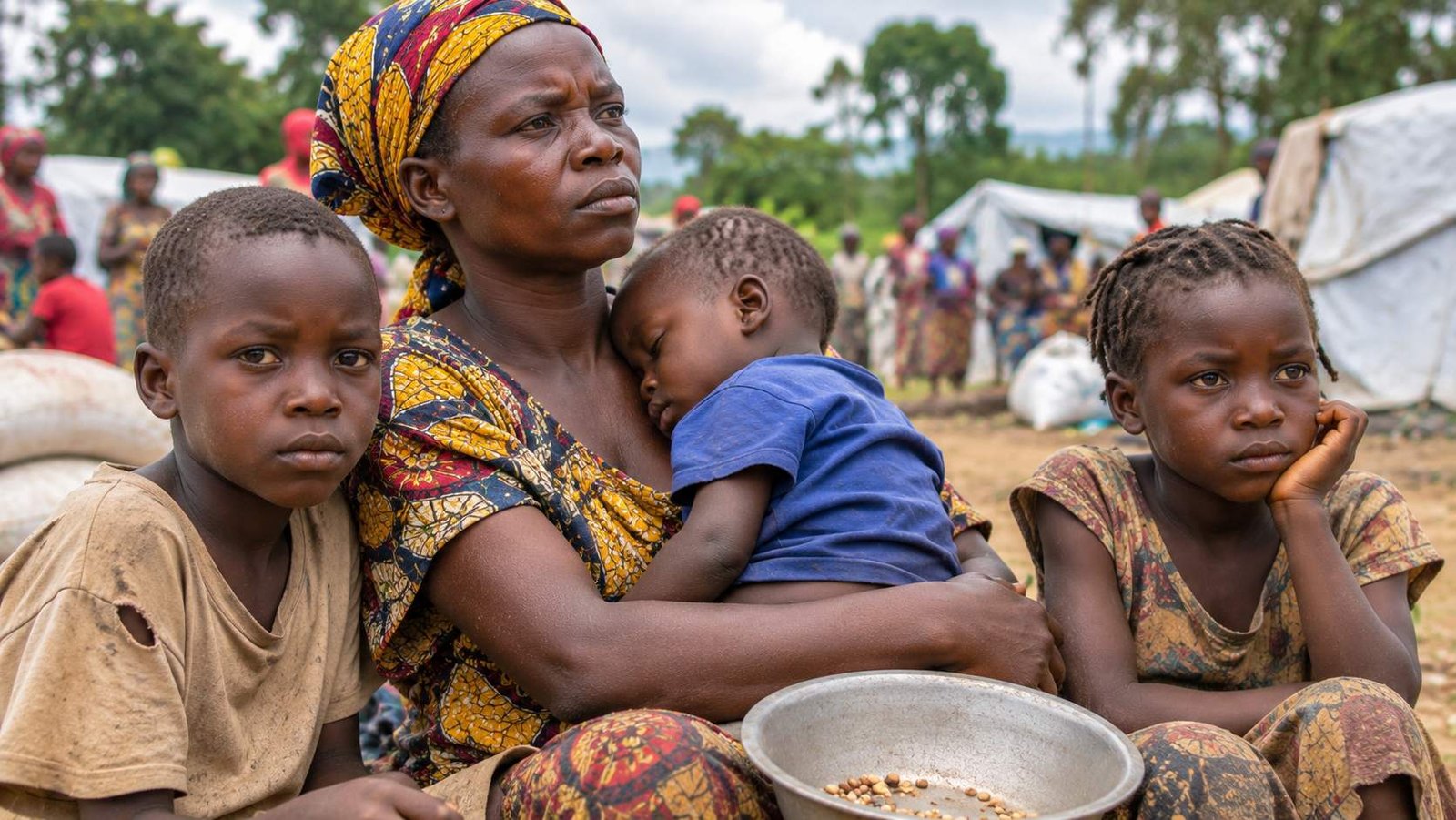
Kinshasa, Democratic Republic of the Congo — More than 30 million people in the Democratic Republic of the Congo (DRC) are projected to face crisis-level acute food insecurity or worse during the first half of 2027. A joint assessment by the Food and Agriculture Organization of the United Nations (FAO), the World Food Programme (WFP), UNICEF and the World Health Organization (WHO), released on 13 November 2026, links the worsening outlook to conflict, displacement, disrupted agriculture, high food prices and disease outbreaks. The projection is a warning about the months ahead, not a count of people currently experiencing famine.
What is changing in the DRC hunger crisis?
The IPC analysis projects that 30.3 million people will face Integrated Food Security Phase Classification (IPC) Phase 3 or above between January and June 2027. Nearly 29 million people are already projected to face Crisis-level food insecurity or worse between September and December 2026. Within the early-2027 projection, 4.2 million people are expected to be in Emergency, or Phase 4, an increase of almost 600,000 from the 3.6 million projected for the final months of 2026.
These figures cover different periods and must not be added together. Phase 3 means households face food-consumption gaps or must use damaging coping strategies; Phase 4 indicates large food gaps and very high acute malnutrition or excess mortality risks. Phase 5, Catastrophe, is the most severe classification. The joint release does not declare famine across the DRC, and the 30.3 million figure should not be described as a famine count.
The eastern provinces carry a particularly heavy burden. North Kivu, South Kivu and Ituri are expected to account for more than 11 million people in Phase 3 or worse in the first half of 2027. Nine territories are projected to reach Emergency levels: Djugu in Ituri; Lubero, Masisi and Oïcha in North Kivu; and Fizi, Kalehe, Mwenga, Shabunda and Walungu in South Kivu.
What happens next?
The January–June 2027 projection means the coming months are critical for preventing households from sliding into more severe food insecurity. The agencies are urging humanitarian partners and authorities to scale up assistance before needs peak, while FAO stresses that support to farmers must arrive before the next planting season. Delayed seeds, tools and other agricultural inputs could mean another missed harvest and a longer period of dependence on aid.
Humanitarian organisations will need to maintain access to displaced and conflict-affected communities, monitor food prices and crop production, and update needs assessments as conditions change. The projections are not a fixed outcome: security, market access, harvests, funding and the reach of assistance will influence how many people experience the most severe conditions. The joint release does not provide a guaranteed timetable for every planned intervention or a new confirmed count of people already malnourished.
What does the crisis mean for health and communities?
Food insecurity and disease reinforce one another. Poor diets weaken nutritional status, while Ebola, cholera, mpox and other health emergencies can interrupt livelihoods, restrict movement and make it harder to reach clinics or markets. Displacement can separate families from farmland, clean water, sanitation and routine health services. Children under five, pregnant and breastfeeding women, older people and people with chronic illnesses face particular risks when food and healthcare are disrupted at the same time.
For health facilities, the consequences include greater demand for screening and treatment of acute malnutrition, childhood illness, maternal care, vaccination, safe water and infection prevention. A child who is acutely malnourished may need clinical assessment and therapeutic nutrition; food distribution alone will not meet every health need. Equally, nutrition programmes cannot succeed if insecurity prevents families from reaching services or if clean water and sanitation are unavailable.
The 13 November joint statement does not provide a new national acute-malnutrition caseload. This article therefore does not assign a new number to children requiring treatment. The evidence supports concern about the interaction of food insecurity, malnutrition risk, outbreaks and interrupted healthcare, rather than a newly measured national malnutrition total.
What solutions are available to prevent the situation worsening?
The four UN agencies are calling for a coordinated response that combines food assistance, agricultural recovery, nutrition services, healthcare, water and sanitation, and safe humanitarian access. WFP’s role includes food assistance and logistics. FAO is calling for support to farmers and livelihoods before the next planting season. UNICEF focuses on child nutrition and essential services for children and families, while WHO supports health services, disease surveillance and outbreak response.
In practical terms, the response needs to protect access to food while restoring the ability of households to produce or buy it. This includes timely agricultural inputs, support to local markets, cash or food assistance where appropriate, and safe routes for humanitarian delivery. Health partners need to maintain community screening, referral and treatment for acute malnutrition, maternal and child healthcare, immunisation, outbreak detection and infection prevention. Mobile teams and community-based services may be necessary where roads are damaged or insecurity makes fixed facilities difficult to reach.
These interventions are complementary. Food assistance cannot substitute for clinical treatment of severe acute malnutrition, and nutrition services cannot compensate for a prolonged loss of household income or food production. Their effectiveness also depends on sustained funding and the ability of humanitarian organisations to reach affected communities safely.
Who is responding and what are the responsibilities?
The joint warning was issued by FAO, WFP, UNICEF and WHO, which bring different but connected responsibilities. FAO works on agricultural production and rural livelihoods; WFP provides food assistance, logistics and food-security analysis; UNICEF supports child nutrition, water, sanitation and essential services; and WHO supports health systems, disease surveillance and emergency health response. National and provincial authorities are responsible for coordinating public services and enabling access, while local organisations and community networks are essential for identifying needs and reaching households.
The agencies are calling on donors and humanitarian partners to provide the resources needed to scale up assistance. The joint statement identifies the scale of the projected need but does not publish a complete, funded response plan with confirmed allocations for every province. Specific funding commitments, delivery targets and implementation dates should therefore be checked against subsequent agency and government updates rather than assumed.
Why the DRC crisis matters beyond its borders
The crisis shows how conflict, displacement, disease outbreaks, food-price shocks and disrupted agriculture can combine to undermine health outcomes. Cross-border movement and the interruption of health services also complicate disease surveillance and referral. Neighbouring countries and regional agencies have an interest in supporting coordinated humanitarian access and public-health preparedness, while recognising that the immediate needs and projections described here relate to the DRC.
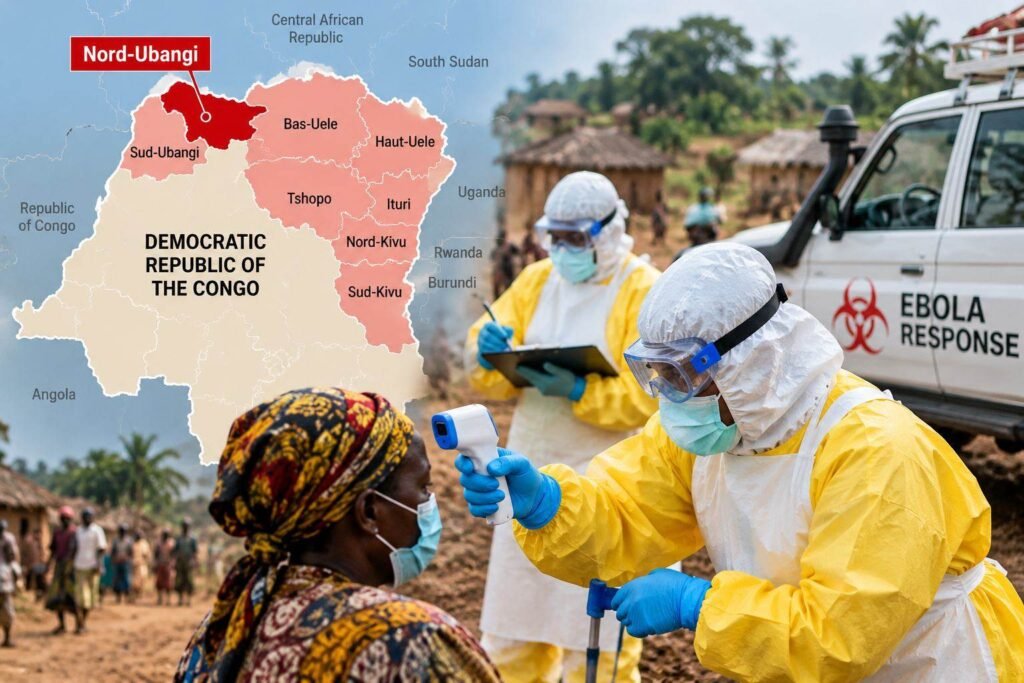
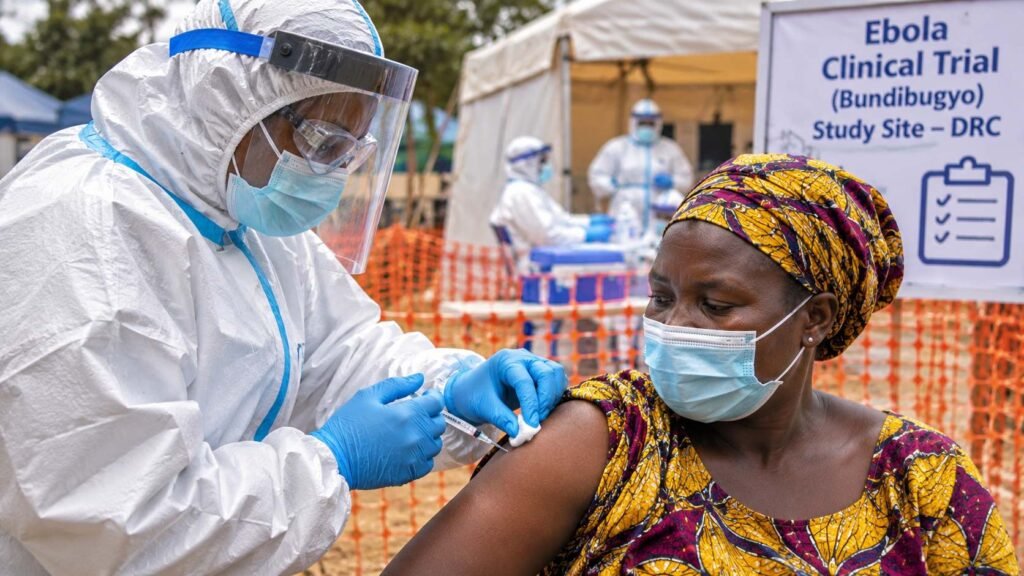
Health Signal Africa has previously reported on the operational challenges facing the DRC Bundibugyo Ebola response. The relationship between outbreak control and food security is important: communities are less able to follow public-health advice or seek timely care when they lack food, income, safe water or transport.
Sources and limitations
The principal figures come from the joint FAO, WFP, UNICEF and WHO release of 13 November 2026 and its cited IPC analysis. Anadolu Agency separately reported the worsening outlook on the same date. The 30.3 million and 4.2 million figures are projections for January–June 2027, not current counts. IPC Phase 3 or worse includes Phase 4; the categories must not be added together. The release does not declare a nationwide famine or provide a new national acute-malnutrition caseload. The number of people affected will depend on changing conditions, assistance and access.
Primary sources: WHO joint release, 13 November 2026; FAO joint release. Additional reporting: Anadolu Agency, 13 November 2026.
Discussion