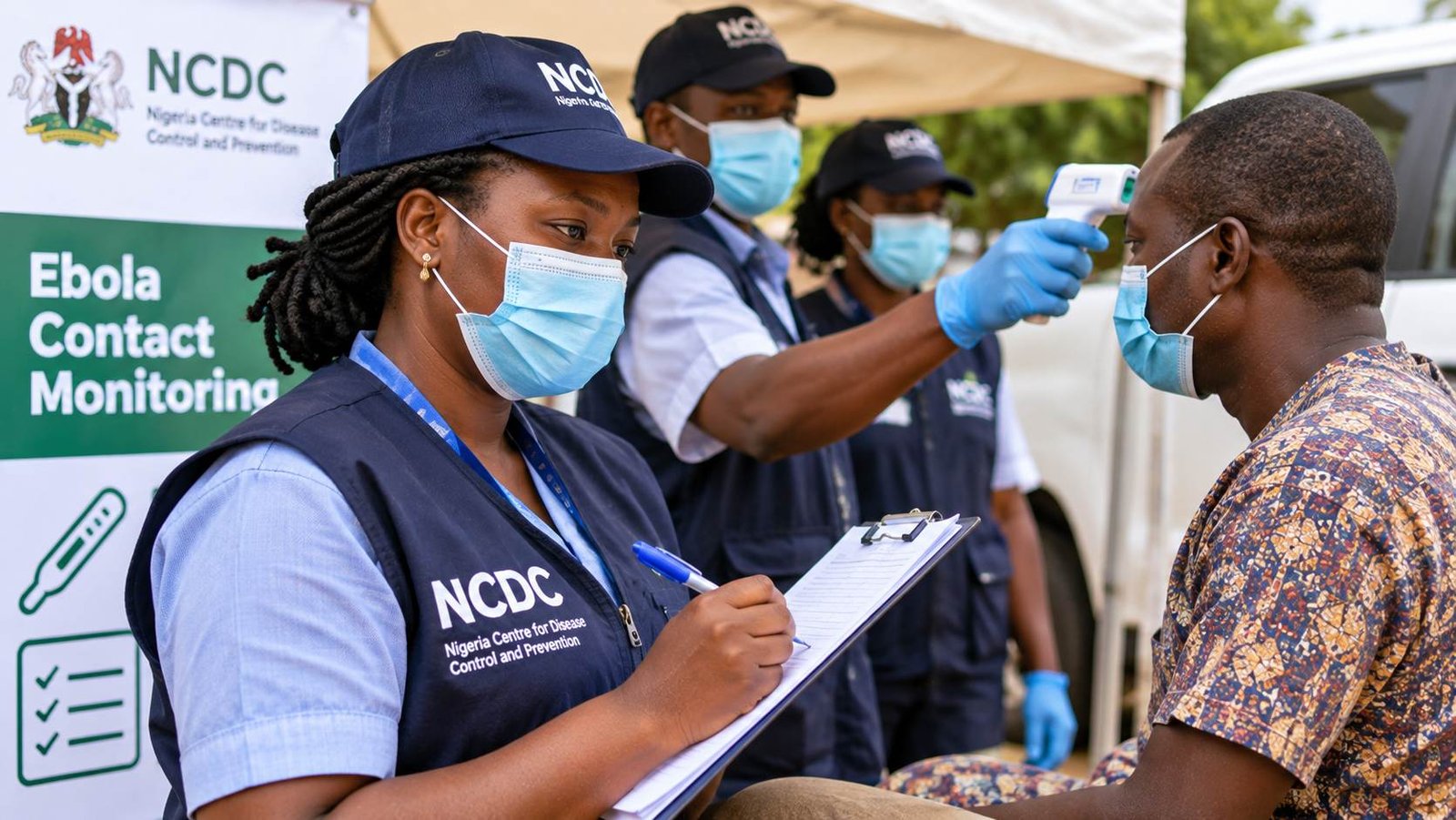
Abuja, Nigeria — Nigeria has completed the 21-day monitoring period for all 62 people identified as contacts of its imported Bundibugyo Ebola case, with none developing the disease, the Nigeria Centre for Disease Control and Prevention (NCDC) said on 13 November. The milestone reduces the immediate risk associated with the identified contact network, but it does not mean the country can yet declare the outbreak over.
Thirteen contacts reported fever or other non-specific symptoms during the monitoring period. All 13 tested negative for the virus, according to the NCDC statement reported by Reuters. The agency also said seven Ebola alerts investigated across five states over the preceding three weeks were all negative. The final contact completed monitoring on Friday.
Nigeria confirmed one imported case on 20 October in a Swiss woman who had travelled to Uganda before returning to the country. She and her husband were evacuated to Switzerland, where she recovered and was discharged from hospital. The case was Nigeria’s first Ebola infection in more than a decade.
Contact monitoring ends without a secondary case
Contact tracing is a central part of Ebola control because it allows health authorities to identify people who may have been exposed, monitor them during the incubation period and rapidly isolate anyone who develops symptoms. In Nigeria’s response, the 62 identified contacts were followed for 21 days. None developed Ebola disease, and the 13 people who reported non-specific symptoms tested negative.
The NCDC’s online outbreak dashboard, generated on 13 November, still displays epidemiological data with a cut-off of 11 November. It records one confirmed case, no deaths and 62 contacts identified, of whom 52 had exited follow-up and 10 were still listed as under monitoring at that earlier cut-off. The dashboard therefore does not yet reflect the agency’s 13 November announcement that all 62 contacts had completed follow-up. The two sources describe different reporting times rather than necessarily conflicting findings.
The dashboard also records 676,077 screening entries at 16 points of entry since 5 June, including 4,803 screenings on 12 November. These are screening records, not a count of unique travellers or suspected Ebola cases. The data illustrate the scale of entry-point activity but do not replace clinical assessment, laboratory testing or contact investigation.
Why the 42-day countdown still matters
The NCDC cautioned that completing the 21-day monitoring period for contacts does not by itself mean the outbreak has ended. WHO guidance requires a country to complete a 42-day period after the recovery or departure of the last confirmed patient before an official end-of-outbreak declaration can be made.
The distinction matters because the contact-monitoring period and the post-case observation period serve different purposes. The first tracks people known to have been exposed to an infected person. The second provides an additional period in which authorities continue surveillance for possible new cases after the last confirmed patient has recovered or left the country. Nigeria must continue to follow official guidance and maintain surveillance during this period.
Surveillance and laboratory readiness remain important
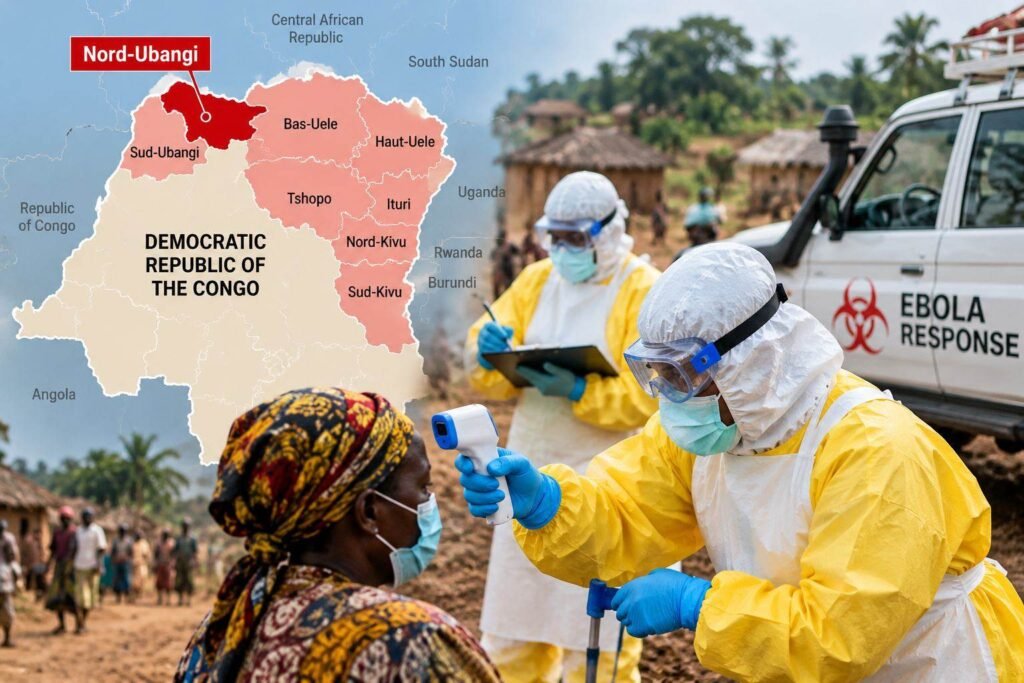
The imported case was linked to travel from Uganda during the wider Bundibugyo virus disease outbreak that began in the Democratic Republic of the Congo in May. The outbreak has affected several countries, making cross-border information sharing, entry-point screening and rapid laboratory confirmation important for neighbouring states. Health Signal Africa has also reported on the DRC response and security constraints and South Sudan’s preparedness gaps.
WHO’s multi-country outbreak report described Nigeria’s initial response as including case investigation, contact tracing, infection prevention and control measures, and the provision of protective equipment for health workers. The NCDC has also maintained a public dashboard and screening activity at designated points of entry. These measures need to be sustained even after the identified contacts have completed follow-up.
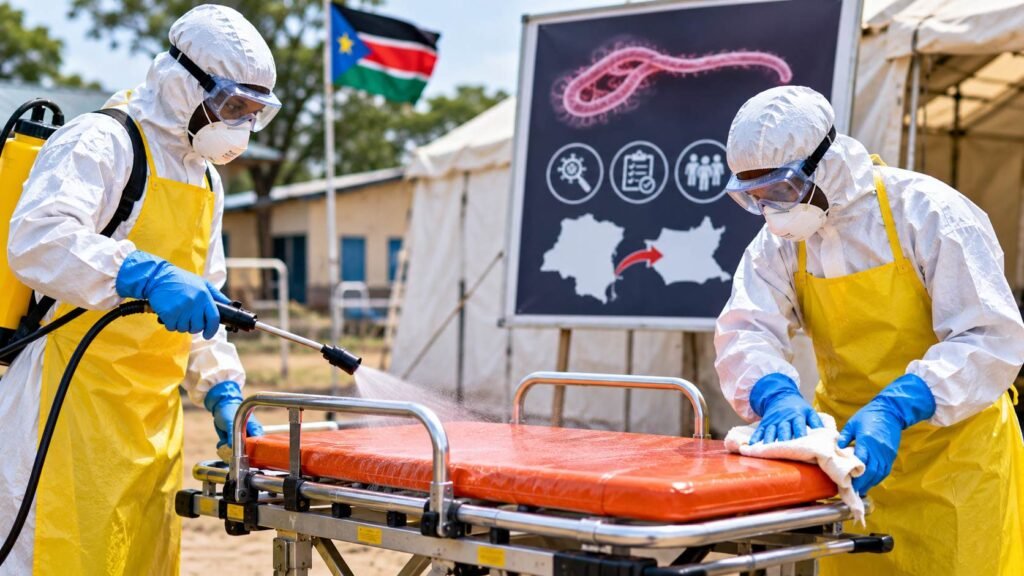
For health facilities, preparedness means recognising possible symptoms, taking a travel and exposure history where appropriate, applying infection prevention and control precautions, notifying public-health authorities and arranging safe referral rather than sending a suspected patient through routine crowded services. Laboratory teams need safe sample collection, packaging and transport procedures, while emergency operations centres need clear escalation pathways.
Bundibugyo virus presents specific response challenges
The current regional outbreak is caused by Bundibugyo virus, a species of Ebola virus for which no approved vaccine or specific treatment is available. Care is therefore based on early recognition, isolation, supportive clinical management, infection prevention and control, and the protection of health workers and contacts. Candidate vaccines or treatments under investigation should not be confused with products approved for routine use.
The absence of a licensed vaccine for this strain increases the importance of strong surveillance and clinical readiness. It also makes accurate public communication essential. Ebola is transmitted through direct contact with the blood or body fluids of a person who is ill or has died from the disease, or through contaminated materials. It is not spread through casual contact with people who have no symptoms. Clear information can reduce fear and prevent stigma against survivors, contacts and people returning from affected areas.
What Nigeria needs to maintain
The completion of contact monitoring is a positive operational milestone, but the response should not be reduced to a single countdown. Authorities need to continue surveillance at health facilities and points of entry, investigate new alerts promptly, maintain laboratory capacity and communicate clearly with states and communities. Health workers should have access to protective equipment, training and safe referral protocols.
For the wider region, Nigeria’s experience reinforces the value of rapid identification and monitoring of contacts after an imported case. Countries need to share travel and exposure information, strengthen cross-border surveillance and ensure that suspected cases can be isolated and tested without delay. The goal is not only to prevent secondary transmission but also to maintain public confidence and essential health services.
Sources and limitations
This article is based on the NCDC statement reported by Reuters on 13 November 2026, the NCDC Ebola outbreak dashboard generated on 13 November with epidemiological data through 11 November, and WHO’s multi-country Bundibugyo virus disease outbreak report. The dashboard’s earlier data cut-off is stated to explain why it still showed 10 contacts under follow-up when the NCDC’s later announcement said all 62 had completed monitoring. Completion of contact follow-up is not an official end-of-outbreak declaration.
Reuters, 13 November 2026 · Nigeria Centre for Disease Control and Prevention outbreak dashboard · WHO multi-country Bundibugyo virus disease outbreak report.
Discussion