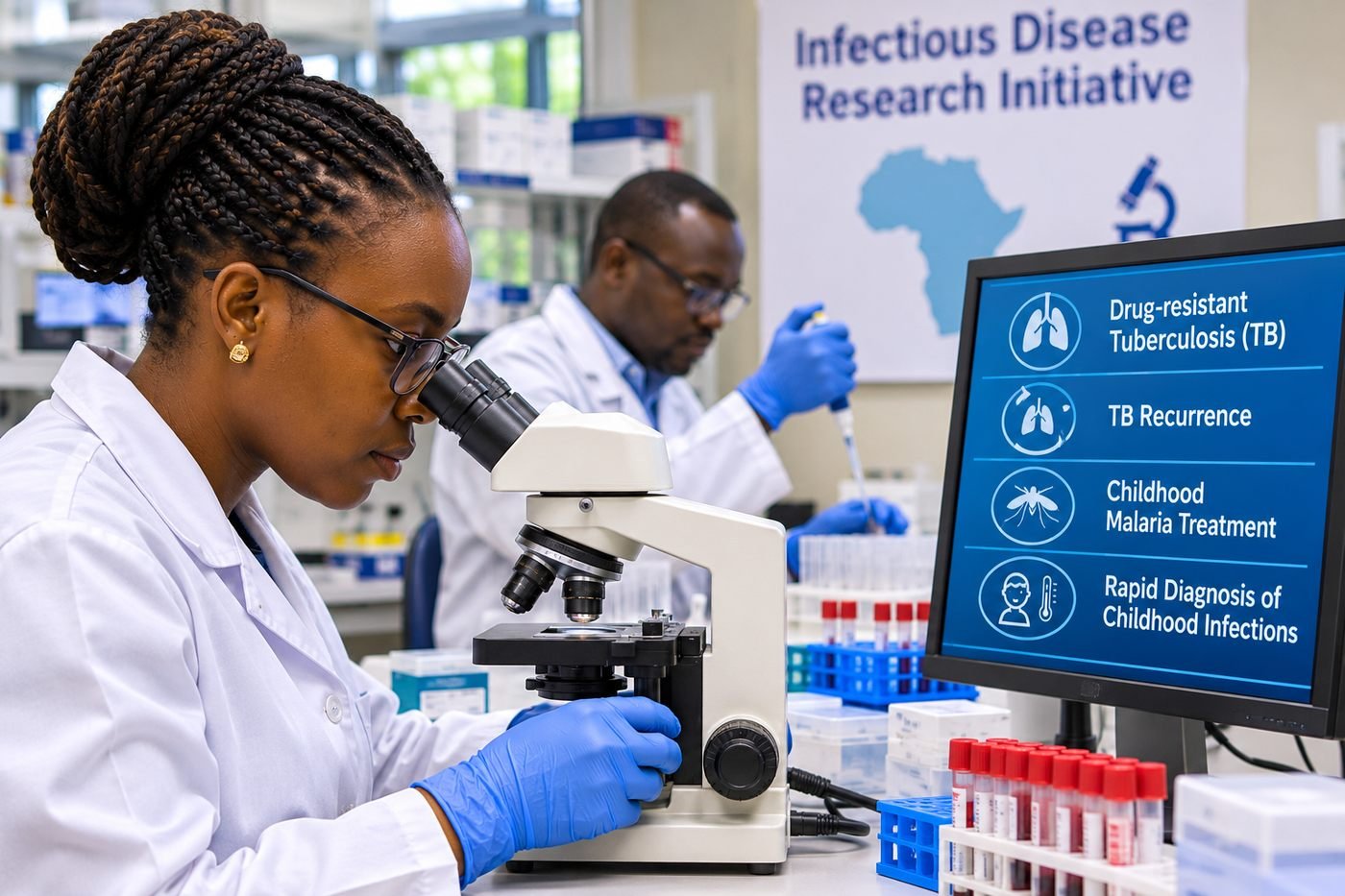
Brazzaville, Republic of the Congo — 20 November 2026 — The World Health Organization (WHO) Regional Office for Africa and the European and Developing Countries Clinical Trials Partnership (EDCTP) Association have signed a memorandum of understanding to strengthen health research and regulatory capacity across the African Region. The agreement, announced on 19 November, sets a framework for closer cooperation rather than a new grant or a specific clinical-trial commitment.
The partnership aims to support national research systems, build technical expertise and infrastructure for clinical trials, safety surveillance and implementation research, and strengthen the regulatory systems that assess medical products. It also seeks to connect research institutions with national disease-control programmes so that findings can inform health policy and practice.
Research capacity and regulation are central priorities
WHO and EDCTP say the collaboration will focus on clinical research capacity, harmonisation and optimisation of regulatory systems, and stronger links between researchers and public-health programmes. The work could include technical cooperation, capacity development, research networks and policy dialogue. Faster and more predictable regulatory processes can help countries evaluate medicines, vaccines and diagnostics, but the goal is not simply speed: safety, quality, ethics and oversight must remain central.
EDCTP has a long-standing role in supporting European-African research partnerships on HIV, tuberculosis, malaria, neglected infectious diseases and emerging infections. Its programmes have supported clinical trials, fellowships, research networks and capacity development. The new WHO agreement builds a framework for cooperation with the regional public-health agency, although the partners have not yet published a list of new projects or funding allocations linked to the memorandum.
Why the agreement matters to African research institutions
African research centres and universities increasingly conduct studies that generate evidence for local and regional disease priorities. However, capacity can be uneven: ethics committees and national regulators may face limited staffing, infrastructure, funding or workload, while institutions need trained investigators, data systems, laboratory capacity and long-term career pathways. Regulatory bottlenecks can delay studies, but weak oversight can also undermine participant protection and public trust.
Connecting research institutions with disease-control programmes may help reduce the gap between evidence generation and implementation. For example, clinical trial findings are more likely to inform national guidelines when programme managers, regulators, clinicians and communities are involved early and when the results are relevant to the realities of service delivery.
From a memorandum to practical cooperation
The next step is to define how the agreement will be implemented. Countries and institutions will need to identify priorities, clarify technical support, develop sustainable training and infrastructure, and ensure that research participation benefits communities. Regulatory cooperation should support transparent review, pharmacovigilance and safety reporting while respecting national responsibilities.
For African health systems, the agreement is potentially important because it links clinical research to the broader goals of health security, access to new interventions and stronger institutions. Its impact, however, will depend on specific programmes, resources, partnerships and measurable outcomes that have yet to be announced.
Sources
WHO Africa: WHO and EDCTP Association partner to strengthen health research and regulatory capacity; EDCTP Association official site and programme information.
Limitations: The announcement describes a cooperation framework. No new funding amount, grant call, country-specific activity or trial was confirmed at publication.


Discussion