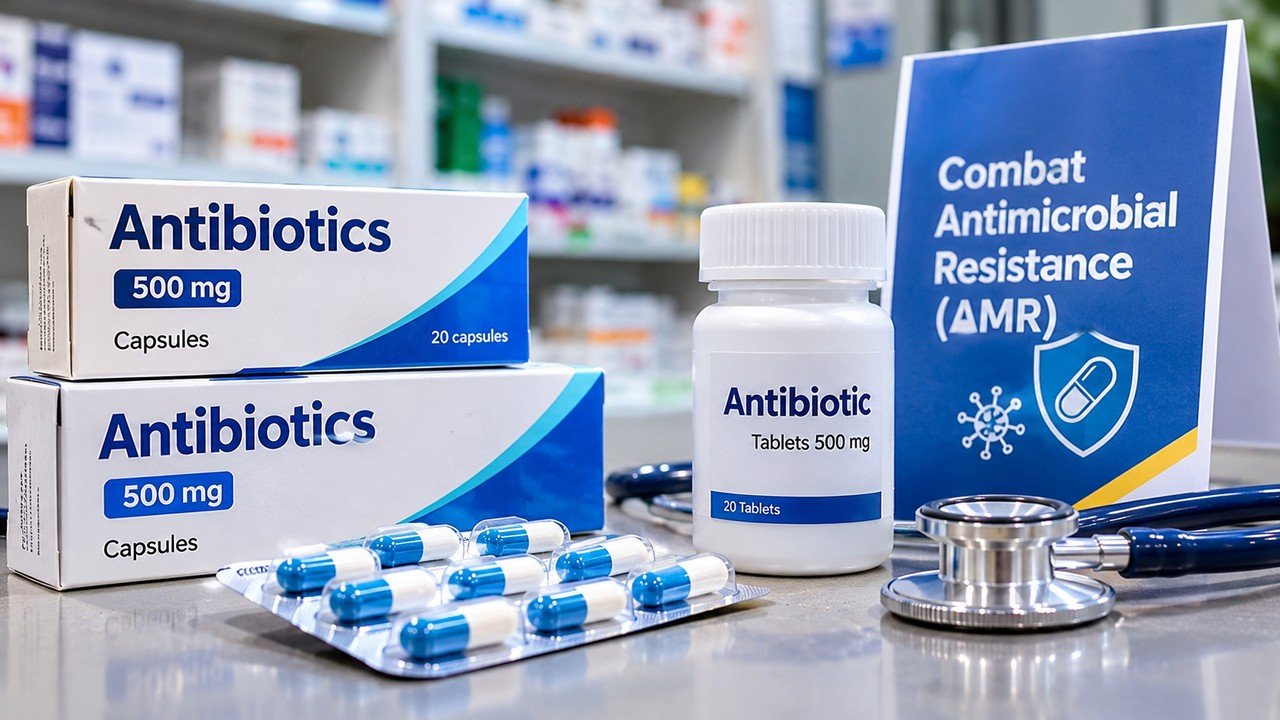
Nairobi, Kenya — 20 November 2026 — Kenya has launched a new national antimicrobial resistance (AMR) report alongside a communication strategy and guidance for surveillance in meat at slaughter facilities and farm biosecurity. The documents were unveiled during a two-day national event convened by the Ministries of Health, Agriculture and Livestock Development, Environment, Climate Change and Forestry, Mining, Blue Economy and Maritime Affairs, and the Kenya National Public Health Institute.
The launch comes during World AMR Awareness Week, observed from 18 to 24 November, and places resistance within a One Health framework that connects human health, animal production, food systems and the environment. The documents are intended to strengthen surveillance, improve public understanding and guide action across sectors.
Surveillance shows resistance to last-resort antibiotics
Kenya’s national AMR focal point reported that surveillance expanded from two sites in 2017 to more than 30 sites, including national referral, county referral and private hospitals. Data from participating sites show that 64% of Acinetobacter isolates were resistant to carbapenems, antibiotics often reserved for difficult-to-treat infections. The figure is a warning about resistance in the surveillance network; it is not a national prevalence estimate for all Acinetobacter infections or all hospital patients.
Resistance can make infections harder to treat, increase the risk of complications and force clinicians to rely on medicines that may be more toxic, expensive or less available. Surveillance helps clinicians and programme managers understand which medicines remain effective, but its value depends on representative sampling, quality laboratories, timely reporting and the ability to translate results into prescribing and infection-control decisions.
New guidance extends AMR work into food and farming
The national launch included the National Antimicrobial Resistance Report 2026, the National AMR Communication Strategy, Guidelines for AMR Surveillance in Meat at Slaughter Facilities and Farm Biosecurity Guidelines for Poultry, Pigs and Dairy Production. These tools broaden the response beyond hospitals to food animals, slaughter facilities and farm practices that can influence the spread of resistant organisms.
The communication strategy also recognises that public understanding and behaviour matter. Antibiotics should be used only when prescribed by a qualified health professional, not shared or saved for later. Vaccination, hand hygiene, infection prevention and safe food handling can reduce the need for antibiotics and help prevent infections.
Implementation requires laboratories, stewardship and coordinated oversight
Kenya’s next challenge is to put the new documents into practice. Hospitals and laboratories need trained staff, reliable supplies, quality-assured testing and systems that return results to clinicians. Antimicrobial stewardship teams can use surveillance data to review prescribing, support appropriate treatment and reduce unnecessary exposure. Veterinary services and food-safety agencies need workable systems for monitoring antibiotic use, animal disease, biosecurity and residues.
The One Health approach requires the ministries and agencies involved to coordinate standards, surveillance, education, enforcement and financing. Guidance will have limited effect if laboratories lack reagents, health facilities cannot maintain infection-prevention supplies or farmers cannot access practical biosecurity support.
What the findings mean for Kenya
Resistance is not only a future threat: the reported carbapenem resistance in Acinetobacter shows why national surveillance and appropriate antibiotic use must be strengthened now. The report and guidelines provide a framework, but progress will depend on regular data publication, transparent indicators, funded implementation and accountability across human, animal and environmental health.
ILRI: World AMR Awareness Week 2026 provides additional One Health context, including antibiotic use and advice in poultry farming.
Sources
WHO Africa: Kenya launches AMR report and guidelines; WHO World AMR Awareness Week 2026.
Limitations: The resistance figure is based on surveillance-site isolates and should not be extrapolated to national prevalence. The public launch documents do not establish implementation coverage or new financing.



Discussion