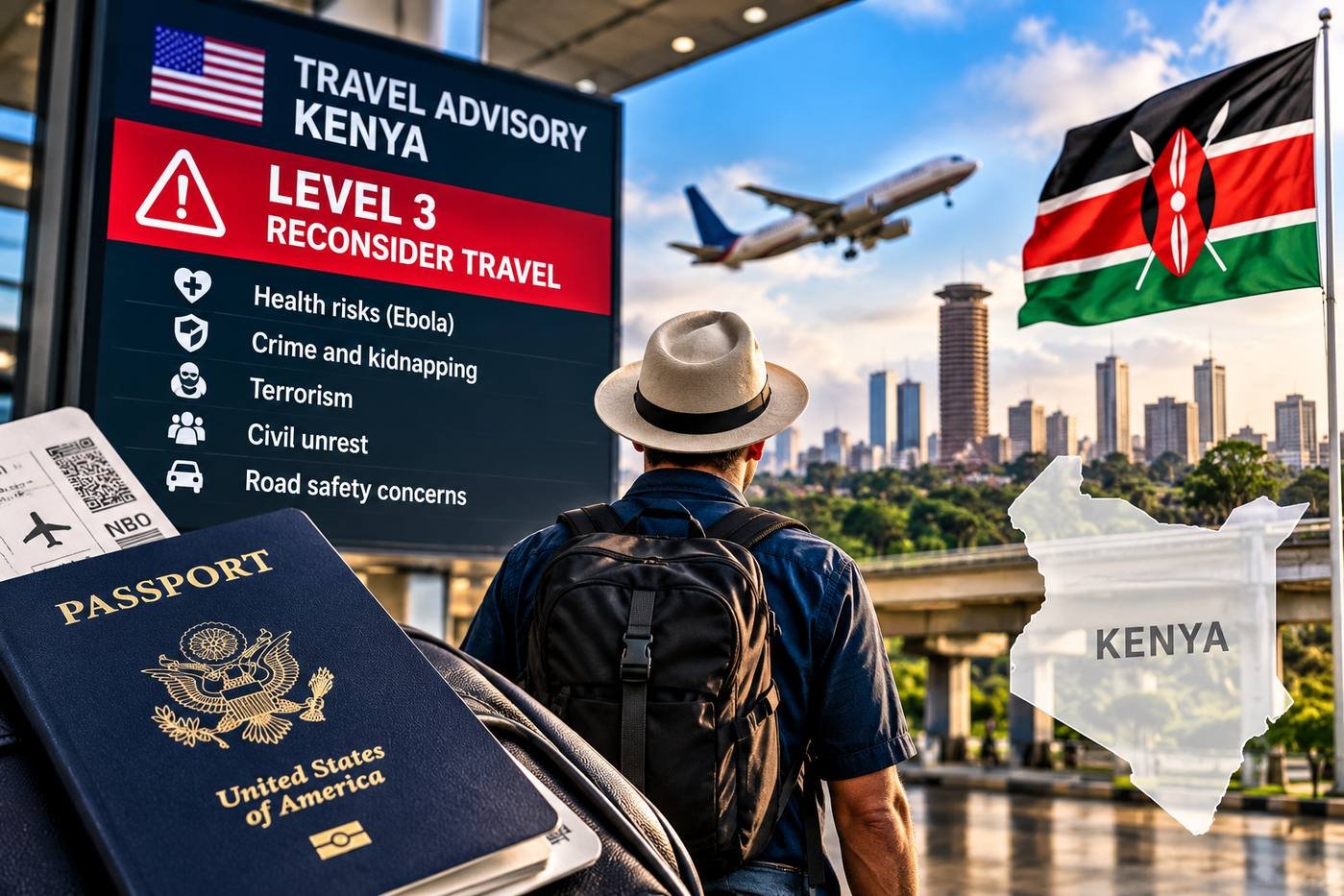
The United States has raised its travel advisory for Kenya from Level 2 to Level 3, urging American citizens to reconsider travel to the country amid growing health concerns linked to the ongoing Bundibugyo Ebola virus disease outbreak.
The US Department of State issued the updated advisory on October 19, 2026, citing health risks, crime, kidnapping, terrorism, civil unrest and road safety concerns. The new classification replaces the previous Level 2 advisory, which had encouraged travellers to exercise increased caution.
The decision comes as Kenya strengthens its Ebola response. By October 19, reports indicated that the country had recorded eight confirmed Ebola cases, including healthcare workers linked to the treatment of the initial patient.
The updated advisory does not prohibit all travel to Kenya. Instead, Level 3 means American travellers are urged to reconsider their plans and assess the risks before travelling.
Ebola outbreak raises health concerns
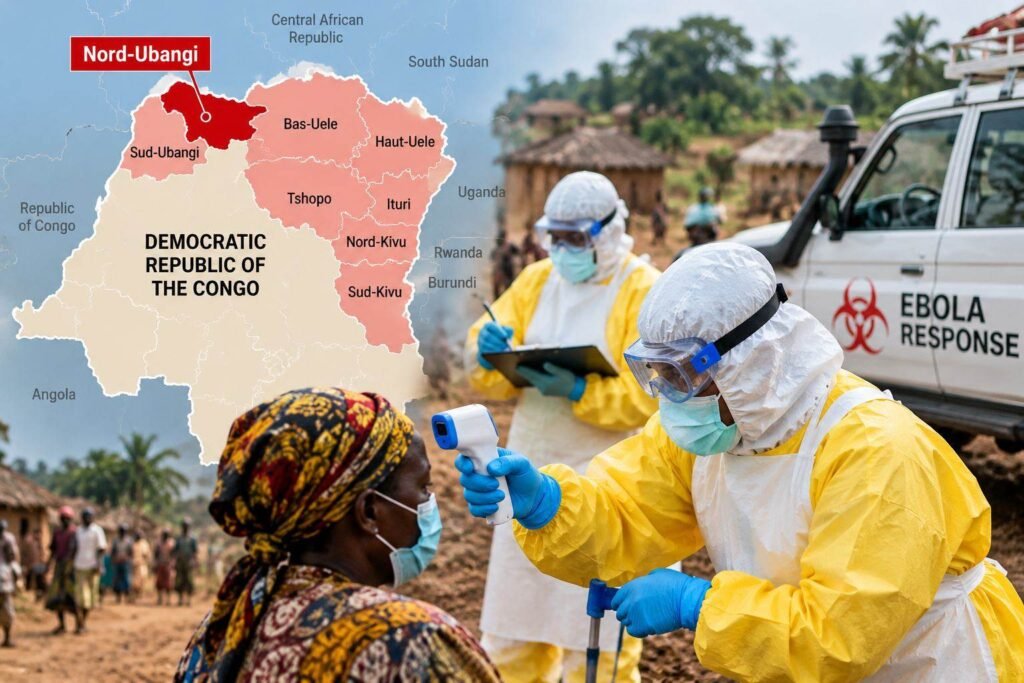
Kenya’s Ebola outbreak involves the Bundibugyo virus, a strain of Ebola virus disease associated with the ongoing outbreak in the Democratic Republic of the Congo.
The emergence of additional cases has heightened concerns about healthcare worker exposure, contact tracing, infection prevention and the possibility of further transmission.
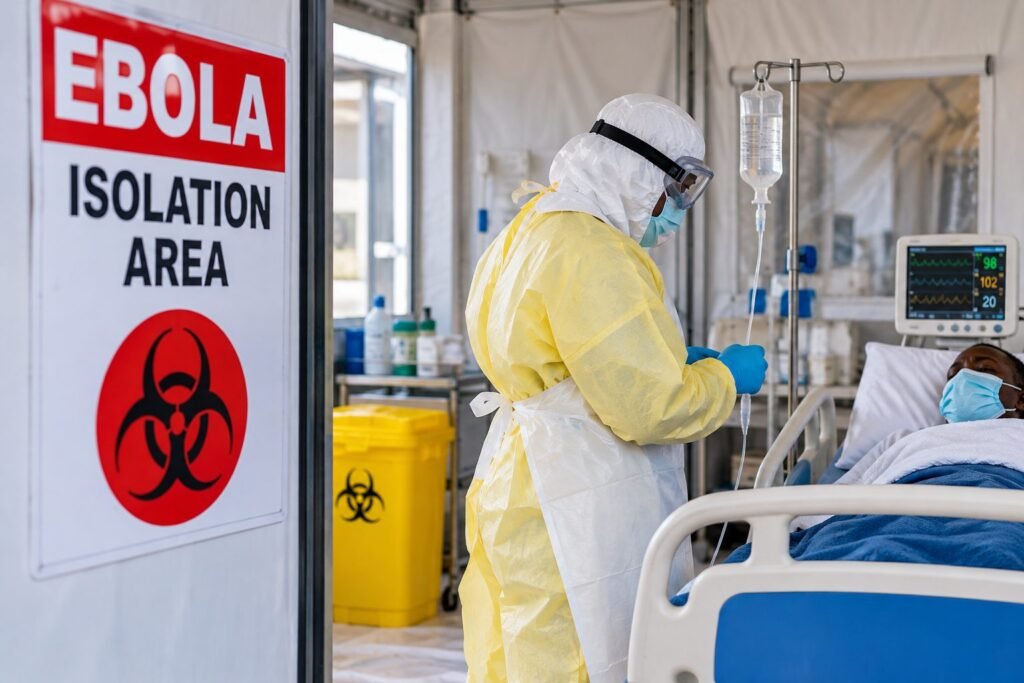
Healthcare workers who treated the first patient have been among those confirmed to have contracted the virus. Their cases highlight the importance of effective infection prevention and control measures, appropriate protective equipment and early identification of exposed individuals.
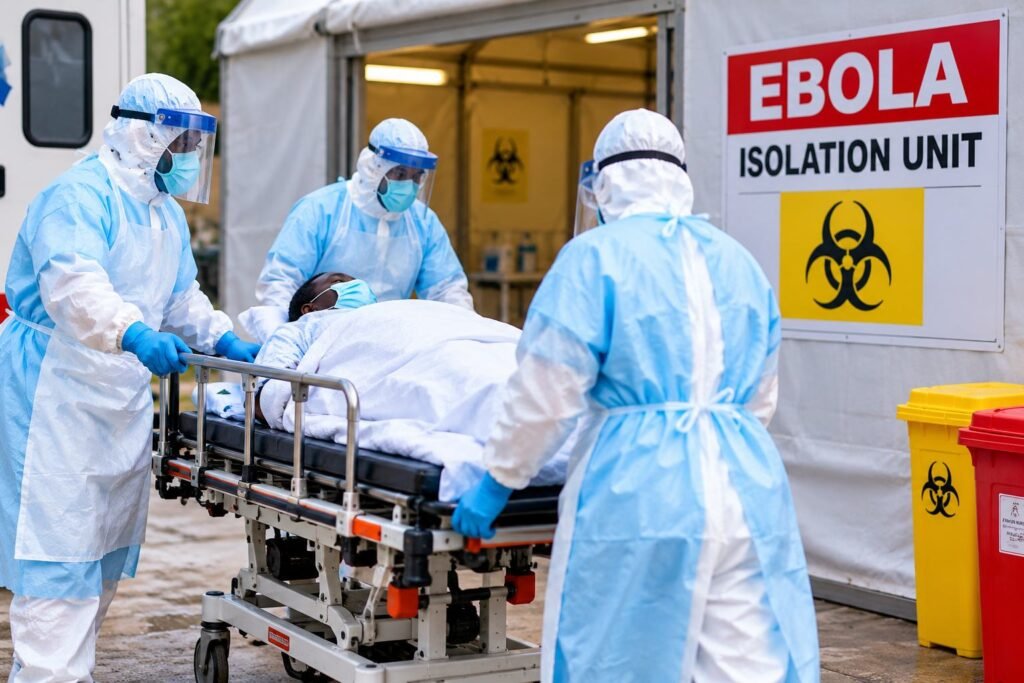
Kenyan health authorities and response partners are undertaking surveillance, laboratory testing, isolation, contact tracing and clinical care to contain the outbreak.
The US advisory also points travellers to the health notice issued by the US Centers for Disease Control and Prevention (CDC) concerning Ebola Bundibugyo virus disease in Kenya.
What does Level 3 mean for travellers?
The US travel advisory system has four levels, ranging from normal precautions to a recommendation against travel.
Under Level 3, travellers are advised to reconsider whether a trip is necessary and to review the specific risks affecting their destination and planned activities.
The advisory also identifies certain locations in Kenya as Level 4, meaning “Do Not Travel.” These include Nairobi’s Eastleigh and Kibera neighbourhoods, as well as several areas affected by terrorism, kidnapping, crime or insecurity.
The Level 4 restrictions apply to the locations specified in the official advisory and should not be confused with the nationwide Level 3 classification.
For Americans already in Kenya or planning a visit, the State Department recommends monitoring local developments, remaining alert in public places, avoiding demonstrations and reviewing medical and travel insurance arrangements, including emergency medical evacuation coverage.
Travellers can also enrol in the US government’s Smart Traveler Enrollment Program (STEP) to receive updates and help the embassy contact them or their emergency contacts during an emergency.
Could the advisory affect Kenya’s tourism and travel sector?
The higher advisory level could influence travel decisions by American tourists, business visitors, researchers and organisations planning activities in Kenya.
Tourism operators, hotels, airlines and conference organisers may face questions from clients about safety, cancellation policies and travel insurance. The impact will depend on how the outbreak evolves, whether additional restrictions are introduced and how international travel advice changes.
The advisory itself does not establish that tourism activities across Kenya have been suspended or that the country has closed its borders to American visitors.
Clear public communication will be important in distinguishing verified health risks from speculation, while ensuring that travellers receive accurate information about precautions and the situation in their intended destinations.
What happens next?
The advisory may be reviewed as the health situation and wider security conditions change. Travellers should consult the official US State Department advisory and relevant CDC health notices before departure rather than relying on older travel guidance.
Kenya’s response will continue to depend on early detection, rapid testing, isolation and care of suspected and confirmed cases, contact tracing, protection of healthcare workers and effective public communication.
For Kenya, the immediate priority remains containing the outbreak while maintaining essential health services and providing timely, evidence-based information to the public and international partners.
Discussion