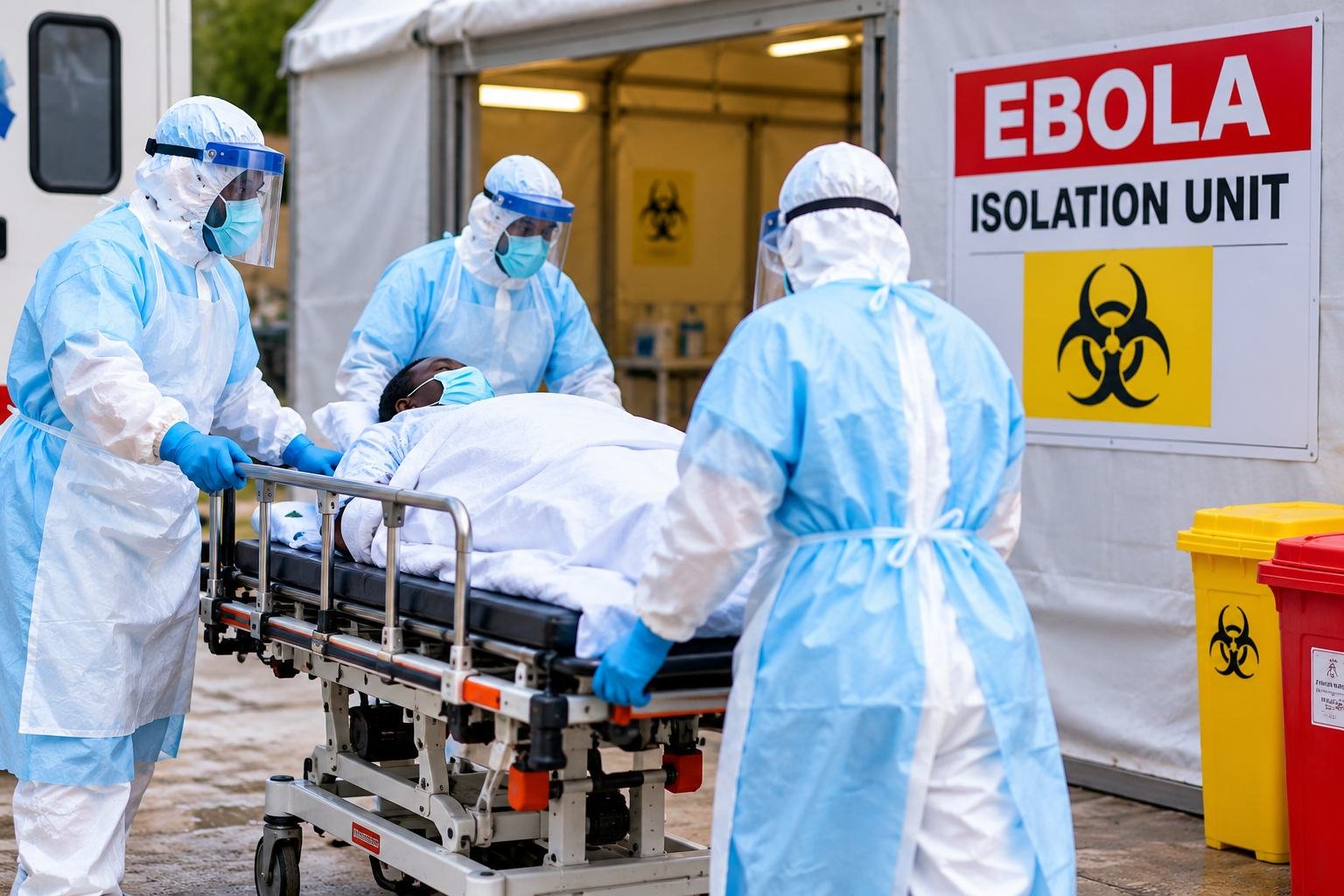
Kenya has confirmed four additional cases of Bundibugyo Ebola virus disease, bringing the country’s cumulative number of confirmed cases to seven, including one death, as health authorities intensify efforts to contain the outbreak.
In an update issued on Saturday, 17 October 2026, the Ministry of Health said the new cases involved three healthcare workers who had attended to the country’s first Ebola patient and a close male relative of the deceased.
The three healthcare workers comprise two men aged 29 and 35 and a woman aged 32. They reportedly cared for the first patient at the hospital between 3 and 4 October and had been in quarantine since 9 October.
The male relative had been in quarantine since 6 October. All four patients developed fever before testing positive for the virus.
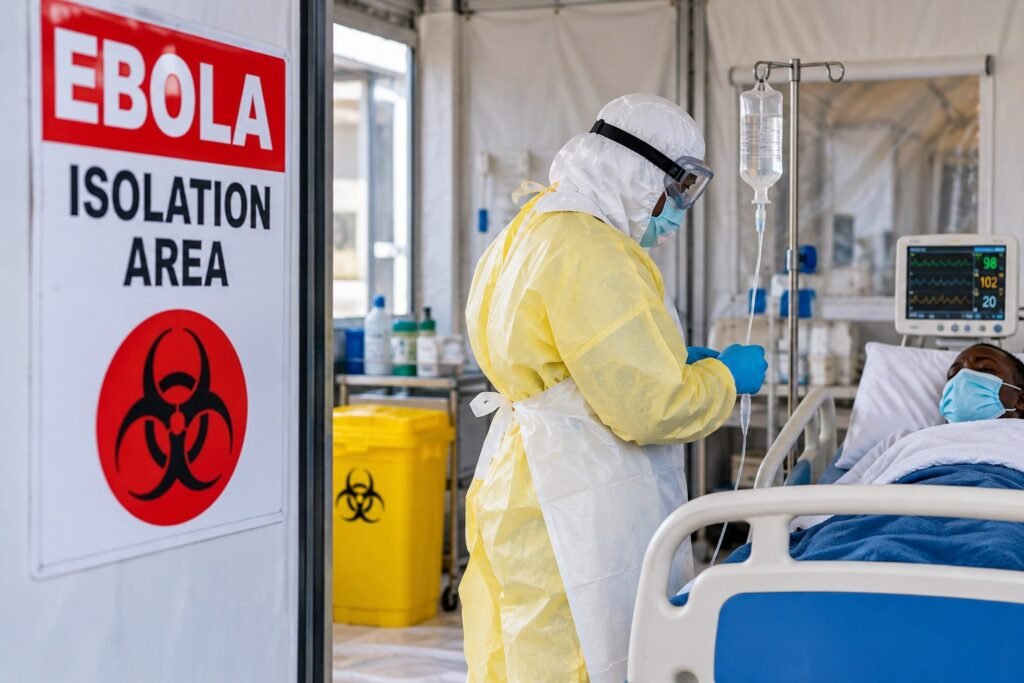
The cases were confirmed by both the National Virology Reference Laboratory and the Kenya Medical Research Institute (KEMRI) laboratory. The patients are receiving supportive care at a designated treatment facility.
The latest development follows the confirmation of Kenya’s second and third cases on 14 and 16 October. The first patient, a 40-year-old Kenyan man who had travelled from the Democratic Republic of the Congo (DRC) through Uganda, died on 5 October.
Three healthcare workers among the new cases
The infection of three healthcare workers is a significant development because medical personnel may face occupational exposure when caring for patients with suspected or confirmed Ebola, particularly when infection prevention and control measures are difficult to implement consistently.
The Ministry’s account indicates that the three workers had been identified as contacts and placed in quarantine before their infections were confirmed.
Their cases underscore the importance of promptly identifying exposed health workers, monitoring them throughout the incubation period, ensuring appropriate protective equipment and enforcing strict infection prevention and control procedures.
Healthcare facilities must also ensure that staff receive adequate training in recognising symptoms, safely handling potentially infectious materials and following protocols for patient isolation.
The cases do not establish that healthcare facilities generally are unsafe, but they reinforce the need for rigorous infection prevention measures during an outbreak.
Contact tracing and quarantine continue
The Ministry of Health reported that 128 of the 130 identified contacts had been traced and placed in quarantine, representing approximately 98.5 per cent. Efforts were continuing to locate the two remaining contacts.
The authorities said all four newly confirmed patients were already in quarantine when diagnosed. Early detection helped reduce the likelihood of further exposure to family members and the wider community.
Contacts are monitored for symptoms during the 21-day period following their last potential exposure. Additional cases may still emerge among people already identified as contacts before their monitoring periods end.
The Ministry is also providing psychosocial support to people in quarantine and their families as part of the response.
Is the risk to the public increasing?
The rise in confirmed cases highlights the need for continued vigilance. However, the Ministry of Health has maintained that the risk to the general public remains low and that there is no evidence of wider community transmission.
The distinction is important. The identification of additional infections among people already in quarantine indicates that the outbreak is affecting known contacts, but it does not automatically demonstrate sustained transmission across the wider population.
Nevertheless, the infection of healthcare workers reinforces the importance of protecting frontline personnel and investigating every possible exposure.
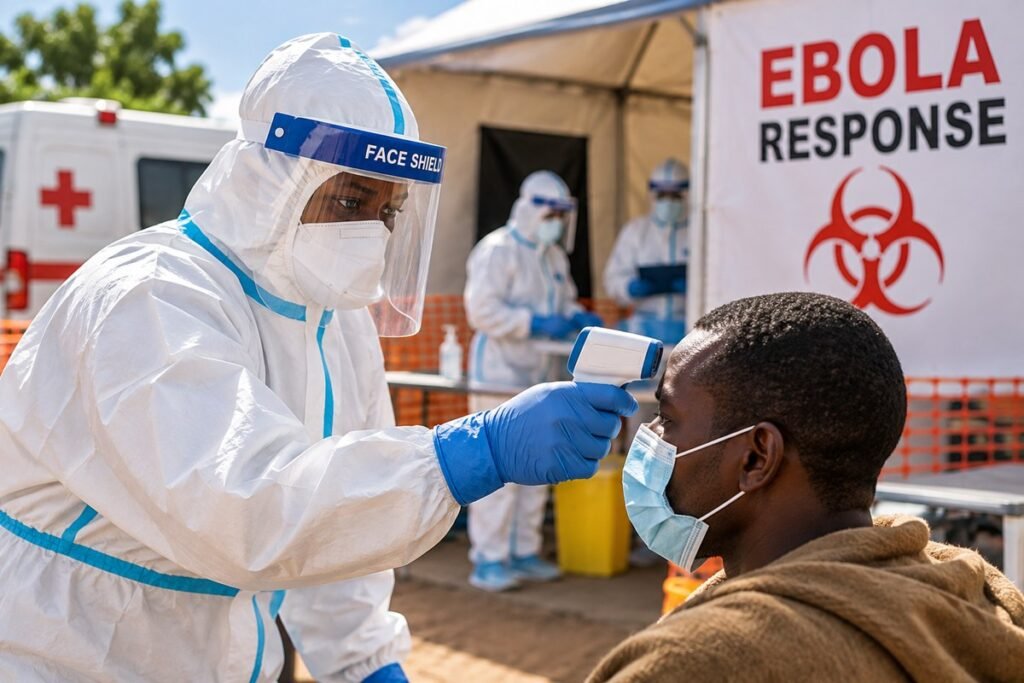
Kenya continues to strengthen surveillance, case investigation, isolation, laboratory testing and screening at points of entry. Authorities have not announced general restrictions on travel, trade or public gatherings.
What is Bundibugyo Ebola virus disease?
Bundibugyo Ebola virus disease is caused by Bundibugyo virus, a member of the Orthoebolavirus genus. It can cause severe illness and may be fatal.
Transmission occurs through direct contact with the blood or other body fluids of an infected symptomatic person, a person who has died from the disease, or contaminated objects and materials.
Ebola is not transmitted through the air in the same way as airborne infections such as measles.
Early symptoms may include fever, headache, muscle pain, fatigue and sore throat. Vomiting, diarrhoea and other severe complications can develop as the illness progresses.
Because these symptoms can resemble other infections, including malaria, people who may have been exposed should seek guidance from public health authorities and disclose their exposure history. Anyone developing symptoms after a possible exposure should be assessed promptly.
There is currently no licensed vaccine or specific approved treatment for Bundibugyo Ebola virus disease. Supportive care, including fluid management and treatment of complications, remains central to clinical management.
What should the public do?
The Ministry of Health continues to urge Kenyans to remain vigilant, follow official guidance and avoid spreading unverified information.
Members of the public should:
- Report suspected exposure to public health authorities.
- Seek immediate medical assessment if symptoms develop after a possible exposure.
- Follow quarantine and monitoring instructions when identified as contacts.
- Avoid direct contact with the blood or body fluids of a suspected or confirmed case.
- Avoid stigma or discrimination against patients, their families, healthcare workers and people completing quarantine.
People seeking information or guidance can contact the Ministry of Health through its toll-free line, 719, as reported by the Ministry in its latest update.
The way forward
Kenya’s confirmation of four additional Ebola cases marks a critical stage in the outbreak response, particularly because three of the newly identified patients are healthcare workers.
The fact that all four were in quarantine when diagnosed shows the value of contact tracing and active monitoring. At the same time, the latest cases demonstrate why surveillance, laboratory capacity, protective equipment and infection prevention measures must remain priorities.
Health authorities will need to trace the remaining contacts, monitor those already in quarantine and ensure that patients and exposed health workers receive appropriate care.
For now, the priority is to prevent further transmission, protect frontline healthcare personnel and provide the public with timely, accurate information as the situation develops.


Discussion