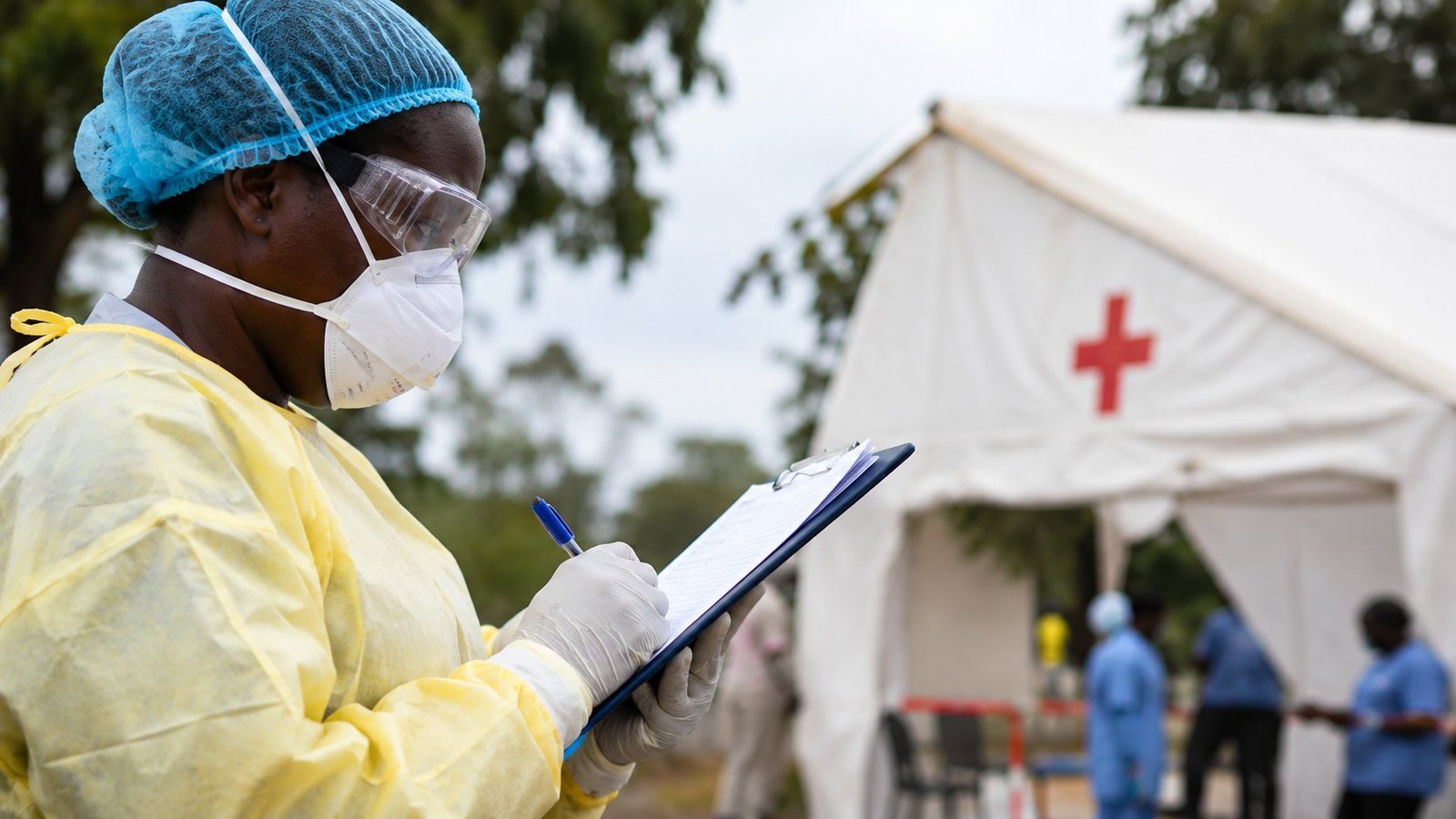
Juba, South Sudan — 20 November 2026 — South Sudan’s assessed preparedness for Bundibugyo virus disease has increased from 29% in May to 72.5% in October, but gaps remain in the country’s ability to contain an outbreak safely, according to the World Health Organization (WHO). The country has not reported a confirmed case in the updates cited.
Readiness improved, but risk remains uneven
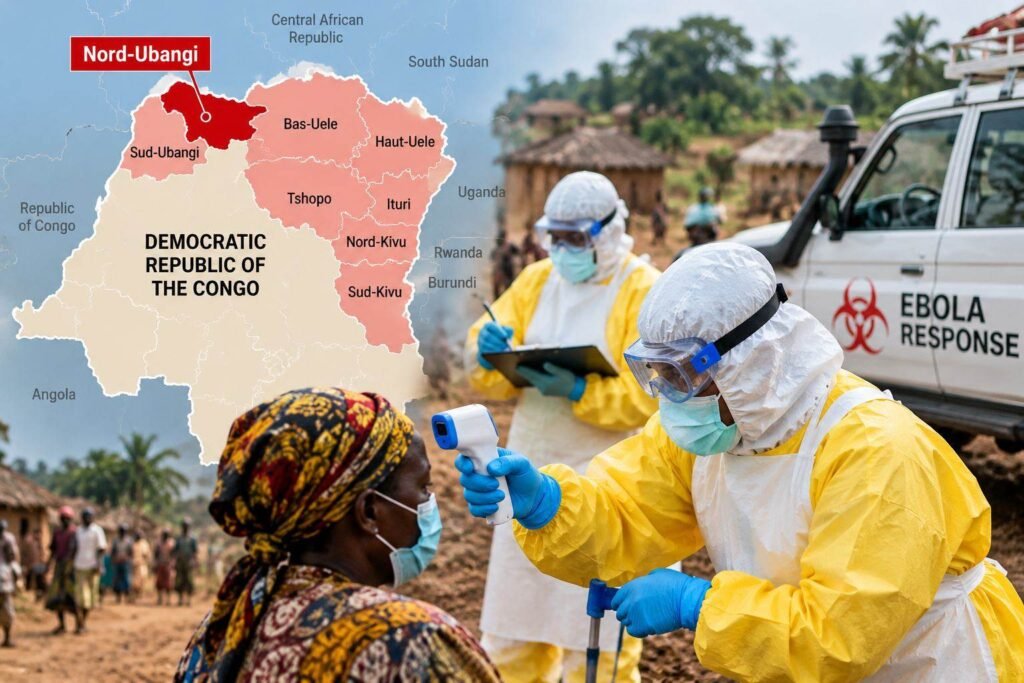
WHO says four readiness assessments conducted in 2026 tracked progress in core response functions. A sub-national risk assessment identified 15 counties for priority preparedness, considering factors such as proximity to affected areas in the Democratic Republic of the Congo (DRC), population movement, border crossings and surveillance gaps.
The readiness percentage measures assessed capacity. It is not a prediction of whether an outbreak will occur, nor does it guarantee that every county or facility can respond effectively. National preparedness indicators can also conceal differences in staffing, equipment, transport and access between locations.
Simulation exposed gaps in containment
A full-scale simulation held from 19 to 24 October in Juba, Yei and Yambio tested the response chain. WHO reported that the exercise showed the country could detect the disease but was not yet able to contain it safely. The findings point to the need to connect alerts with investigation, isolation, specimen collection and transport, laboratory testing, contact follow-up and referral.
WHO also reported 76 alerts recorded by 30 October. Thirty-three were tested by RT-PCR and were negative; the others were discarded following investigation. These were alerts, not confirmed infections. Alert figures should not be presented as cases or evidence of transmission in South Sudan.
Priority actions
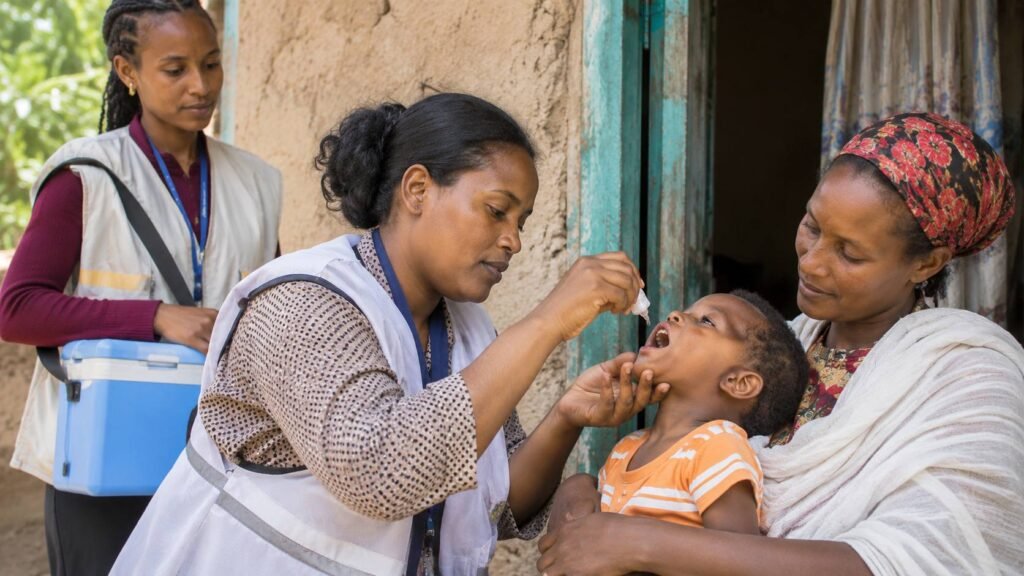
Preparedness work includes training health workers, screening at points of entry, infection-prevention drills and temporary isolation arrangements. Remaining priorities include reliable sample transport, contact follow-up, county-level alert management, adequate protective supplies, referral pathways and sufficient staff and operating resources.
Community communication is also essential. In border communities, information should encourage timely reporting and explain referral options without stigmatising people who travel or live near affected areas. Trusted local leaders, community health workers and health staff can help ensure messages are practical and responsive to local concerns.
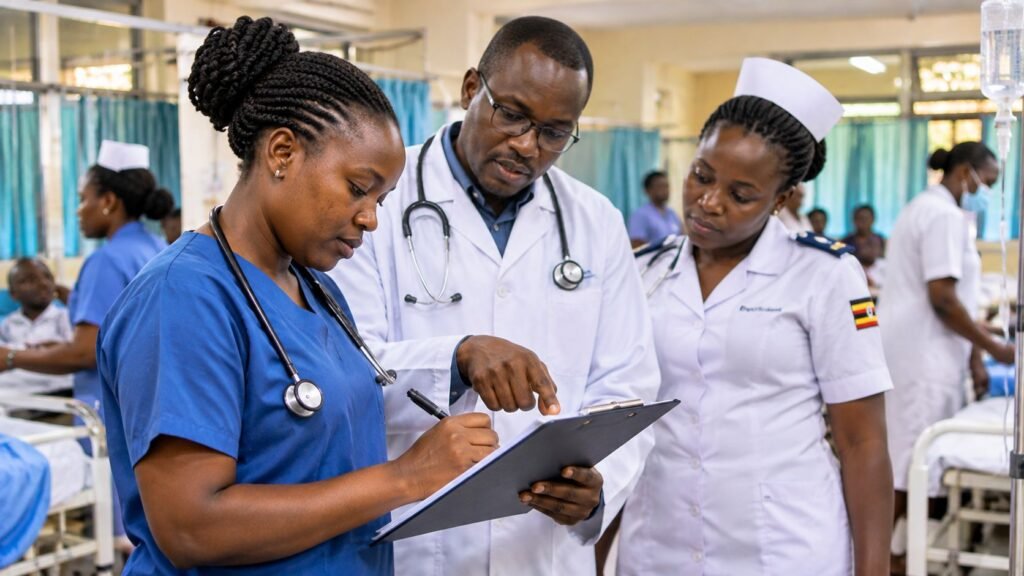
Preparedness depends on coordination between county teams, national institutions, laboratories, health facilities and partners. Detection alone is not enough: suspected cases must be investigated, samples transported safely, results communicated promptly and patients referred through appropriate pathways.
What the improvement means
The increase in readiness is a sign of progress, but the simulation findings underline the difference between having plans and being able to carry them out during an emergency. Continued exercises, verification of county-level capacity and investment in operational gaps will be important as the outbreak continues in neighbouring DRC.
Sources
- WHO, 20 November 2026 — South Sudan readiness update
- WHO, 26 October 2026 — Simulation exercise report
Health Signal Africa will monitor preparedness, surveillance and response updates.
Discussion