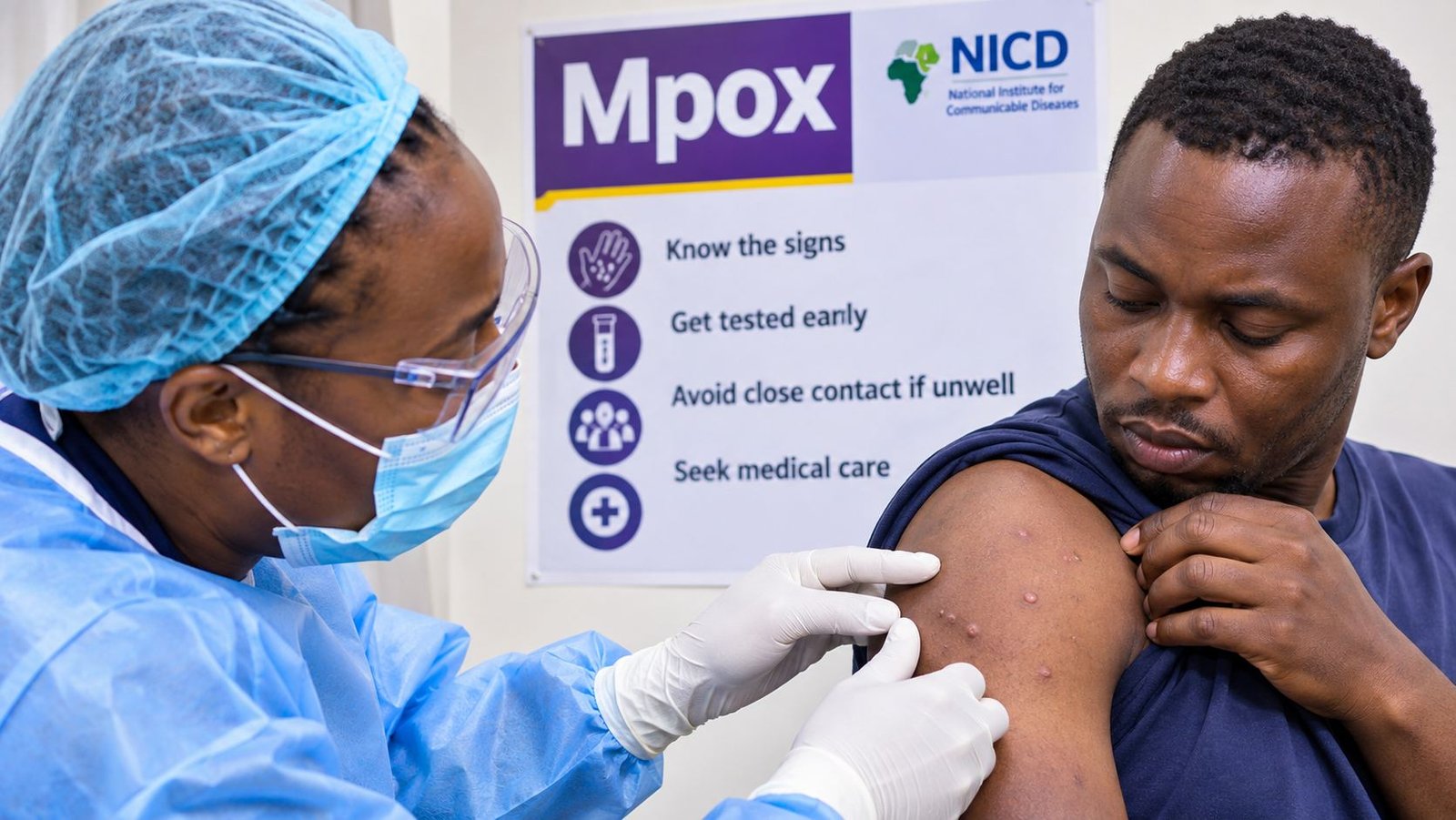
PRETORIA, 7 November 2026 — South Africa had recorded 26 laboratory-confirmed mpox cases by 3 November, with four active cases, according to the National Institute for Communicable Diseases (NICD). Most of the infections have been linked to local transmission, indicating that the response must focus on community-level detection and contact tracing as well as monitoring imported cases.
The NICD dashboard places 18 of the cases in the Western Cape, three in Gauteng, two in the Eastern Cape, two in the Free State and one in KwaZulu-Natal. The first two cases identified in the Western Cape were imported infections involving visitors from Germany and Norway. In the Western Cape, the 16 cases beyond the first two imported infections have been linked to local transmission. The NICD summary does not specify the acquisition status of every case reported in the other provinces.
The surveillance summary reports that 25 of the 26 people diagnosed were men, with ages ranging from 23 to 50 years. Seven people had been hospitalised. The four active cases are the latest reported number of people still considered to have active infection; the dashboard should be checked for updates before publication or use in public-health communication.
Local transmission makes early detection important
Mpox is a viral disease that can spread through close physical contact with an infected person, including contact with skin lesions, scabs, body fluids or contaminated materials. Prolonged close face-to-face contact can also contribute to transmission. Symptoms may include fever, headache, muscle aches, swollen lymph nodes and a rash or lesions that can appear on different parts of the body.
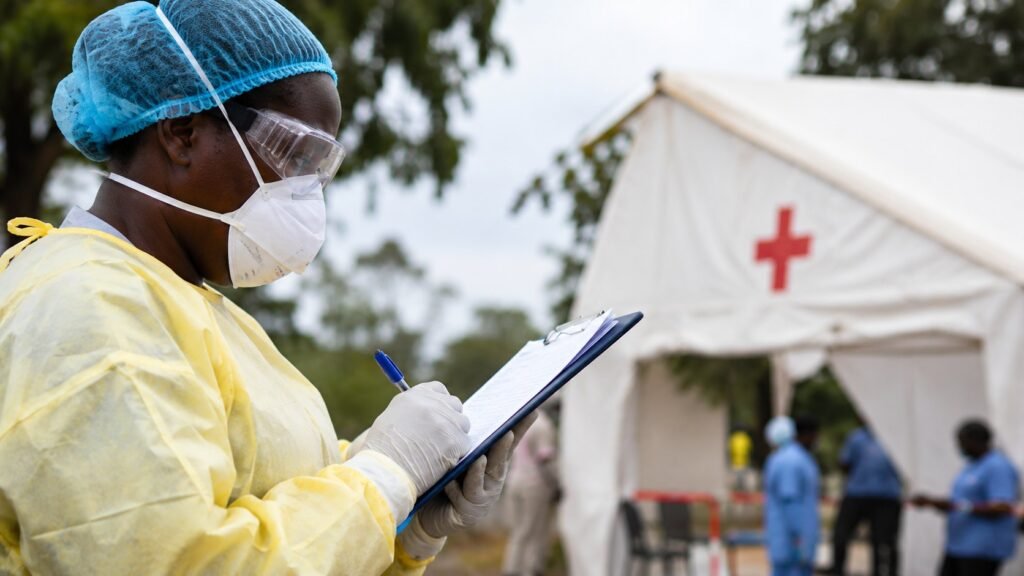
Because several illnesses can cause fever or a skin rash, clinical assessment and laboratory testing are important. The NICD provides diagnostic information and supports national surveillance, while provincial health departments and healthcare facilities are responsible for identifying possible cases, arranging testing and supporting contact tracing.
The increase from 22 cases reported on 22 September to 26 as of 3 November reflects additional laboratory-confirmed infections over the period. It should not be interpreted as a complete measure of all infections in the country: surveillance figures depend on people seeking care, clinicians recognising possible cases, specimens being collected and laboratory results being reported.
Public communication must support care without stigma
Public-health messages should explain how mpox spreads and when people should seek care without blaming or identifying particular communities. Stigma can discourage people from disclosing symptoms or contacts, making it harder for health teams to interrupt transmission. People with a suspected infection should seek medical advice, avoid close physical contact while awaiting assessment and follow the guidance of their healthcare provider.
Vaccination may be used as part of a targeted outbreak response for people at higher risk or identified contacts, depending on national policy and vaccine availability. It does not replace case detection, clinical care, contact tracing or measures to reduce close-contact transmission. South Africa’s Department of Health and the NICD have previously described a targeted vaccination approach for priority groups and contacts.
Regional surveillance remains relevant
South Africa’s experience is part of a wider African mpox situation. WHO’s September 2026 regional report documented transmission in multiple African countries, with different clades and patterns of spread. Movement between countries means that public-health agencies need timely information sharing, laboratory capacity and consistent case definitions, while avoiding unnecessary travel restrictions.
For South Africa, the immediate priorities are to maintain access to testing, update the public dashboard, support provincial contact tracing and ensure that healthcare workers can recognise possible cases. For neighbouring countries, the figures reinforce the value of routine surveillance and clear referral pathways for people with compatible symptoms or relevant exposure histories.
The latest count is limited but important: 26 confirmed cases, four active infections and evidence of local transmission across several provinces. The next updates from the NICD will help show whether the response is reducing transmission or whether additional targeted measures are required.

Discussion