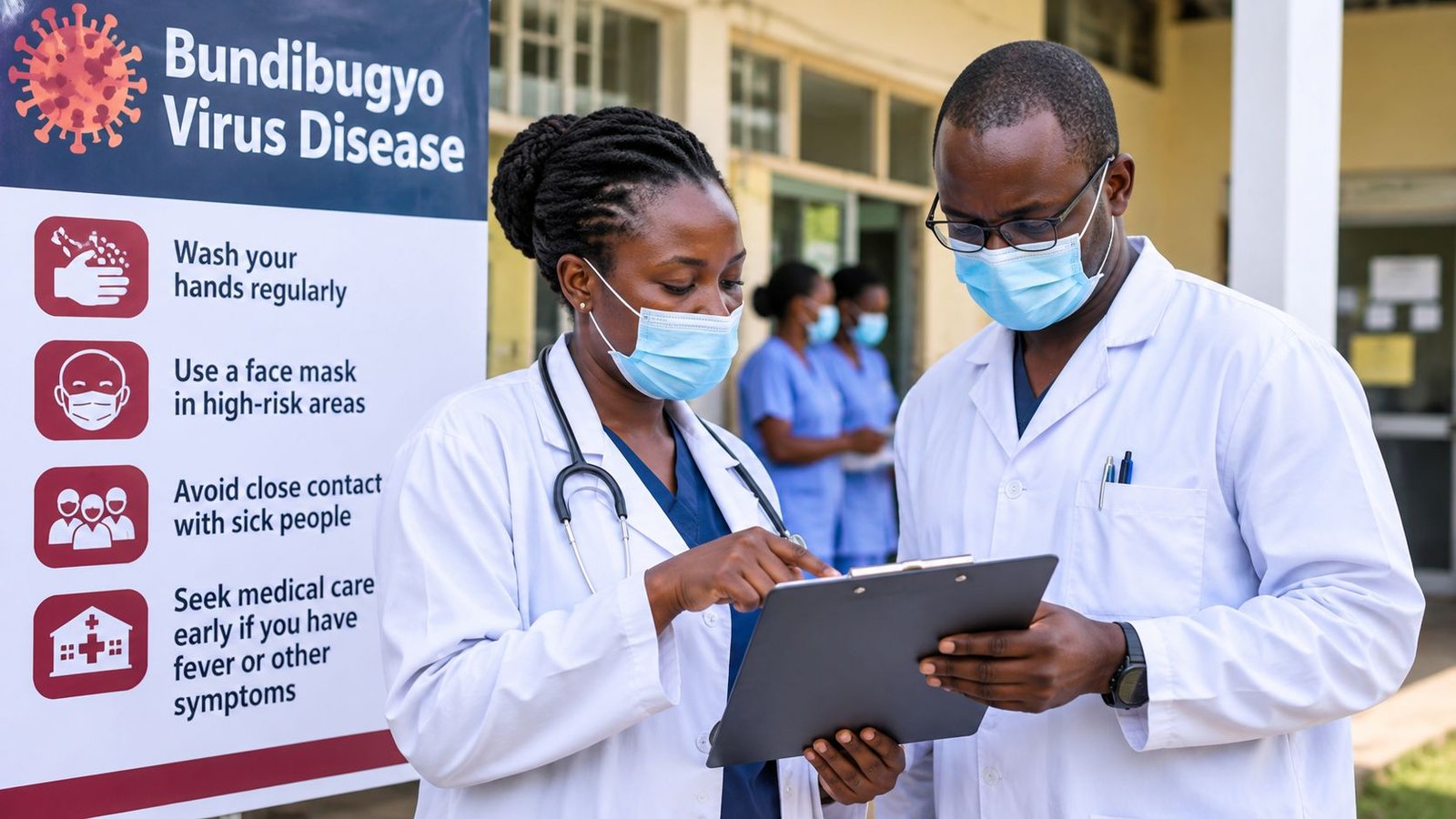
NAIROBI, 7 November 2026 — Kenya has reported six recoveries among nine confirmed cases of Bundibugyo virus disease, with one patient still receiving treatment and no new infection detected for 18 consecutive days as of 6 November. The progress is a significant milestone in the national response, but health authorities have not yet begun the formal countdown required to declare the outbreak over.
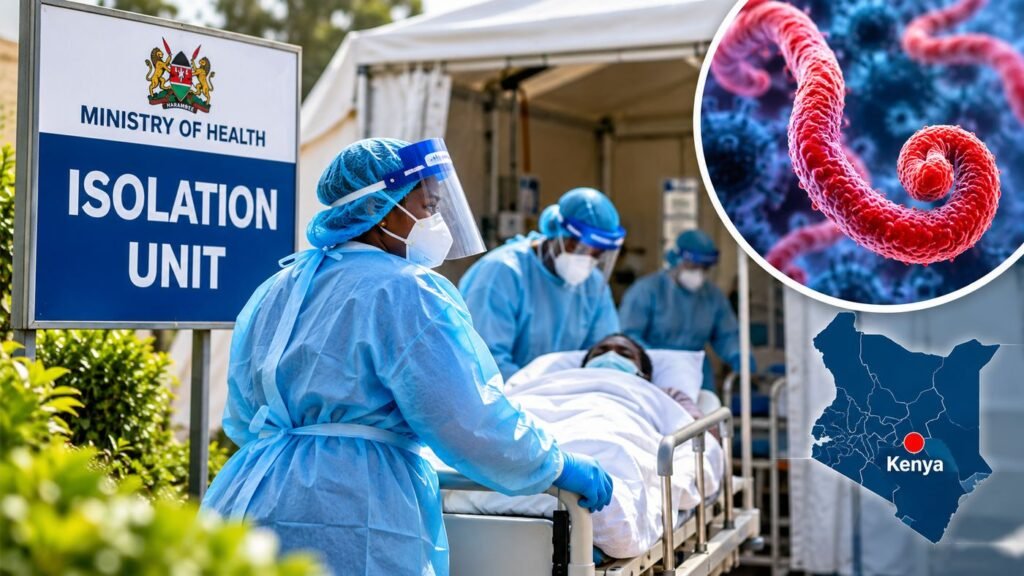
In an update issued on Friday, 6 November, Director-General for Health Dr Patrick Amoth said the sixth patient, a man, had tested negative and met the medical criteria for discharge. The total number of confirmed infections remains nine, including two deaths. All nine cases have been linked to one known chain of transmission, and the Ministry has reported no evidence of wider community spread.
Recovery does not yet mean the outbreak is over
The latest recovery leaves one patient under treatment and close clinical monitoring. The Ministry says the last new case was recorded on 19 October. That means Kenya had gone 18 days without a newly confirmed infection by the time of the 6 November update.
However, the 42-day period used to confirm the end of an Ebola outbreak has not started. According to the Ministry’s explanation, the countdown begins only after the final patient has been discharged from the treatment centre free of the virus. If no additional case is detected during the following 42 days, the outbreak can then be declared over. The period is twice the maximum 21-day incubation period for the disease.
This distinction matters because a period without newly detected cases is not the same as formal outbreak clearance. Surveillance, laboratory testing, infection prevention and contact follow-up must continue while the final patient remains in care and throughout the subsequent observation period.
Contact monitoring and border screening remain active
The Ministry reported that 66 contacts had completed the mandatory 21-day monitoring period and returned home. Another 52 contacts were expected to complete their monitoring by 11 November. The health authorities also said more than 760,000 travellers had been screened at Kenya’s 26 designated points of entry.
Emergency operations centres and rapid response teams are expected to remain on alert across the counties. Travellers have been advised to provide accurate information through the electronic traveller surveillance process and to report illness within 21 days of arrival. People who develop symptoms such as fever, weakness, muscle pain, vomiting, diarrhoea or unexplained bleeding should seek medical assessment promptly and tell health workers about relevant travel or contact history.
The Ministry has also urged communities to avoid stigmatising people who recover from the disease or complete quarantine. Supportive reintegration is important because fear of discrimination can discourage people from reporting symptoms, seeking care or cooperating with public-health teams.
The regional outbreak remains a reason for vigilance
Kenya’s improving position should be viewed alongside the wider Bundibugyo outbreak. In its 6 November update, the European Centre for Disease Prevention and Control cited 10,741 confirmed cases and 5,230 related deaths in the Democratic Republic of the Congo, using data available up to 4 November. The DRC continues to report community transmission across several provinces.
Bundibugyo virus is a distinct Ebola species. WHO has said that no vaccine or specific treatment has been approved for this species, although candidate vaccines and treatments are being evaluated. The absence of an approved disease-specific medical countermeasure makes early identification, isolation, supportive clinical care, infection prevention and community cooperation especially important.
Kenya’s experience demonstrates the value of identifying contacts early and ensuring that people who become ill while under monitoring can be isolated quickly. It also shows why outbreak control requires coordination between hospitals, laboratories, county teams, border authorities and communities. The response should continue to protect routine health services while maintaining the capacity to investigate any new alert.
For now, the public-health message is one of cautious progress rather than an all-clear. Six patients have recovered, the known chain has not generated a new case since 19 October, and most monitored contacts have completed follow-up. The final patient must still leave care, and the 42-day period must then pass without another confirmed infection before Kenya can formally declare the outbreak over.
Sources and further reading
- Kenya Ministry of Health — official updates and 6 November outbreak statement
- Kenya Ministry of Health — 3 November review of Ebola response and preparedness
- Daily Nation — One Ebola patient left as Kenya awaits outbreak clearance (6 November 2026)
- WHO — Bundibugyo virus disease in the DRC, Kenya and Nigeria
- ECDC — Multi-country Bundibugyo Ebola outbreak update (6 November 2026)
Discussion