
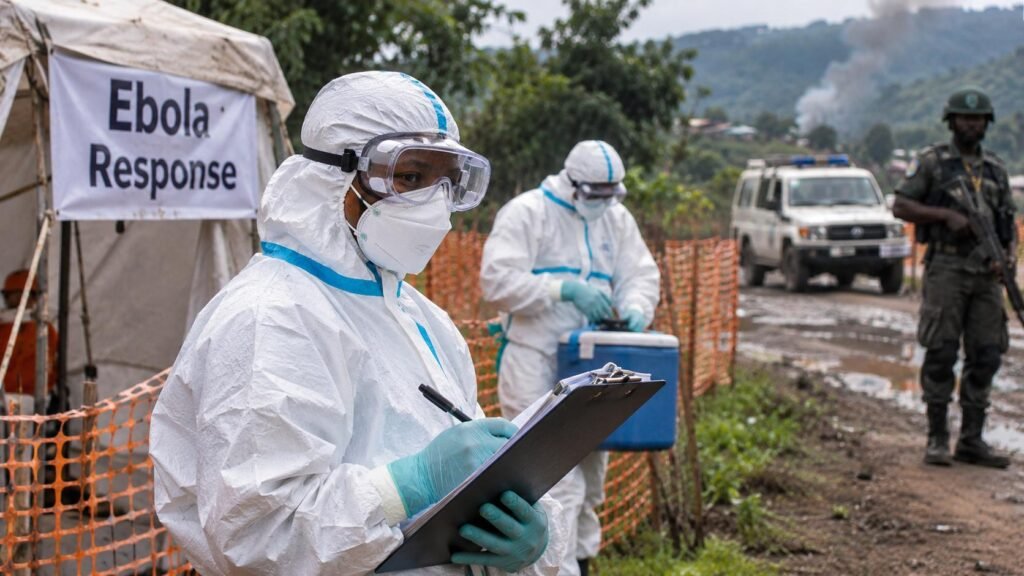
Kenya has secured more than US$3.5 million in additional support from African and international health partners to strengthen its response to the Bundibugyo virus disease outbreak, with funding directed towards surveillance, laboratory testing, contact tracing and the protection of frontline health workers.
The Africa Centres for Disease Control and Prevention (Africa CDC) announced approximately US$1.5 million in financial, technical and operational support following discussions between its Director-General, Dr Jean Kaseya, and Kenya’s Health Cabinet Secretary, Aden Duale, on 27 October 2026.
Separately, the United Nations allocated more than US$2 million through the Kenya Humanitarian Fund, managed by the UN Office for the Coordination of Humanitarian Affairs (OCHA), to support government-led preparedness and response activities.
Together, the two announcements represent more than US$3.5 million in new support commitments and allocations. They are separate funding packages, and the announced amounts should not be interpreted as money already fully disbursed or spent.
The assistance comes as Kenya continues to manage an outbreak that had recorded nine confirmed cases and two deaths in the latest reports available on 28 October.
Africa CDC deploys experts and emergency response equipment
Africa CDC’s support combines funding with technical assistance intended to strengthen Kenya’s ability to detect infections, investigate suspected cases and coordinate emergency operations.
The package includes the deployment of 10 African public health experts, laboratory reagents and diagnostic test kits, alongside support for surveillance, contact tracing, case management and community engagement.
Africa CDC is also providing equipment valued at approximately US$350,000 to strengthen Kenya’s Public Health Emergency Operations Centre, which coordinates information and response activities during public health emergencies.
The centre plays an important role in bringing together surveillance information, laboratory findings, emergency teams and other response partners to support timely decisions.
Africa CDC said the assistance reflects its commitment to supporting Kenya’s response and reducing the risk of further transmission across national borders.
The organisation also convened an extraordinary meeting of African health ministers for 28 October to assess the evolving outbreak and strengthen coordination across the continent.
UN allocates more than US$2 million for preparedness
The UN funding, allocated through the Kenya Humanitarian Fund, is intended to support preparedness measures in areas considered vulnerable to the introduction or spread of the virus.
According to OCHA, the package will support enhanced surveillance at border crossing points and training for rapid-response teams and frontline health workers.
The funding will also strengthen preparedness along high-risk refugee and travel routes linked to the Kakuma refugee complex in north-western Kenya.
Additional planned interventions include emergency health and infection prevention kits, as well as public information campaigns to promote early detection and reporting of suspected infections.
These activities are important because outbreaks can be difficult to contain when suspected cases are detected late, diagnostic services are inaccessible or frontline teams lack the supplies needed to work safely.
The funding is intended to reinforce government-led efforts, with humanitarian and health partners supporting implementation.
Why the funding matters for Kenya
Outbreak response requires more than isolating patients after a diagnosis. Health authorities must also identify people who may have been exposed, monitor them for symptoms, transport samples safely, test suspected cases and communicate accurate information to the public.
Each activity requires trained personnel, reliable supplies, functioning laboratories and coordination between national and county health systems.
The two funding packages target several of these needs. Africa CDC is providing technical expertise and emergency coordination equipment, while the UN allocation supports surveillance, frontline training, infection prevention and community awareness.
Together, these interventions could strengthen Kenya’s capacity to detect additional cases quickly and reduce the likelihood of further transmission.
However, the effectiveness of the support will depend on how quickly resources reach response teams, how they are allocated across high-risk areas and whether the country can sustain essential activities after the initial emergency funding is exhausted.
Funding commitments raise questions about delivery and accountability
Although new support is important, the announcements also raise questions about how emergency health financing is tracked and evaluated.
A funding commitment is not the same as a disbursement, and a disbursement does not necessarily mean that supplies or services have reached the intended recipients.
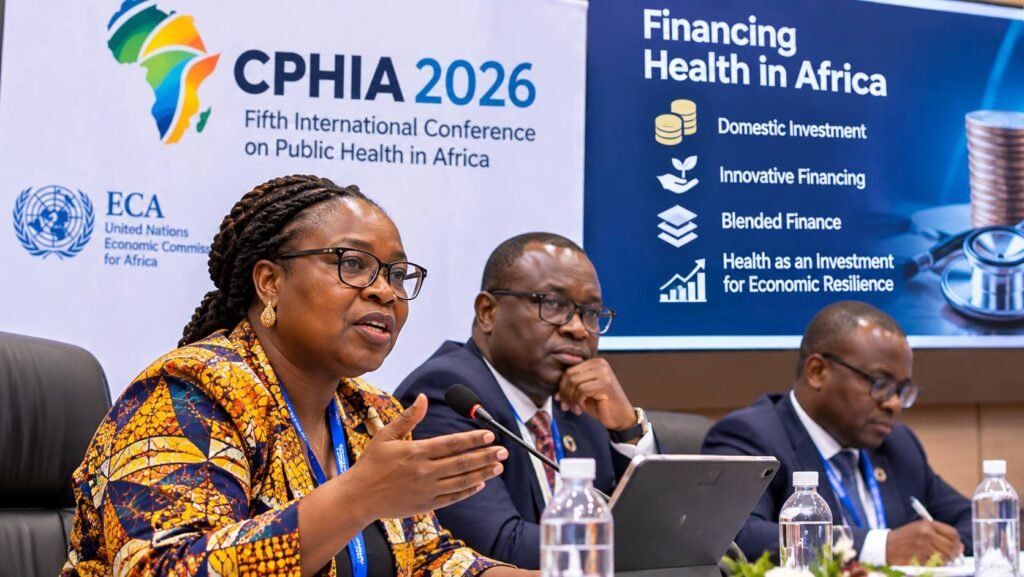
For the public and health sector stakeholders, transparency will be important in establishing how much funding has been released, which activities it supports and what results have been achieved.
Useful indicators include the number of frontline health workers trained, availability of protective equipment, turnaround times for laboratory testing, the proportion of identified contacts successfully monitored and the readiness of emergency response teams.
Reporting against these indicators can help demonstrate whether financial support is translating into stronger preparedness and better protection for communities.
It can also help identify gaps that require additional government investment or support from other partners.
Kenya’s preparedness extends beyond the current outbreak
The current response highlights the importance of maintaining public health capacity between emergencies.
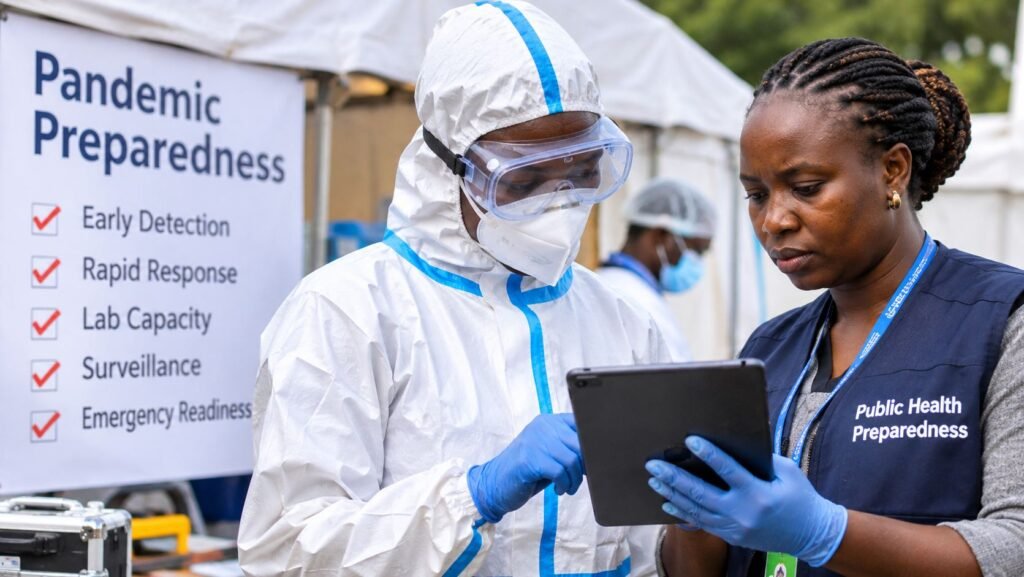
Laboratories, trained health workers, emergency operations centres and disease surveillance systems are also needed to respond to other infectious disease threats. Investments in these systems can therefore provide benefits beyond the immediate Ebola response.
Kenya has previously strengthened screening at points of entry, trained healthcare workers and expanded diagnostic capacity as part of its preparedness efforts. Continued investment will be necessary to maintain these capabilities and ensure that facilities can respond rapidly when new threats emerge.
Regional cooperation is equally important. Viruses do not respect national borders, making information sharing and coordinated preparedness essential among Kenya, Uganda, the Democratic Republic of the Congo and other countries.
Africa CDC’s involvement demonstrates the role continental institutions can play in mobilising technical expertise and resources when national systems face pressure.
What happens next?
The next stage will involve translating the announced support into operational capacity. This includes deploying experts, distributing diagnostic supplies, strengthening surveillance and ensuring that frontline teams have the equipment and training needed to perform their duties safely.
Authorities and partners will also need to monitor whether funding reaches high-risk locations and whether the response remains adequately resourced as the outbreak evolves.
Kenya’s immediate priority is to prevent further infections while protecting patients, health workers and communities. In the longer term, the response will test how effectively national governments, continental institutions and international partners can coordinate emergency financing.
The announcements provide additional support for Kenya’s response, but their impact will ultimately be measured by what they enable health teams to deliver.
For Kenya, the challenge is not only to mobilise money during an outbreak, but to ensure that funding reaches the people and systems responsible for detecting infections, protecting health workers and preventing further transmission.
Discussion