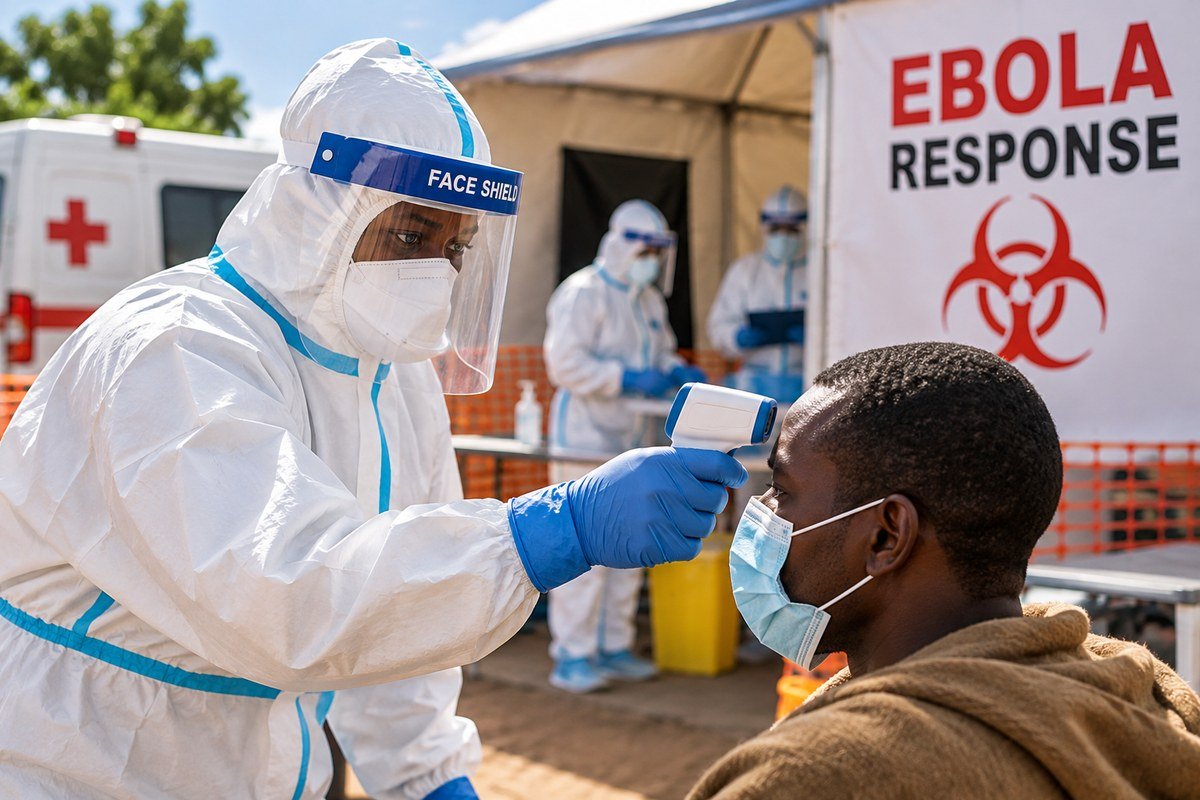
The new infection was detected in a quarantined contact of Kenya’s first confirmed case, highlighting the importance of surveillance, early isolation and coordinated outbreak response.
A second case detected
Kenya has confirmed its second case of Ebola, specifically Bundibugyo virus disease, after a 39-year-old man tested positive on 14 October 2026.
According to health authorities, the patient is a close relative of Kenya’s first confirmed case and was already in quarantine when he developed symptoms, including fever, fatigue and joint pain. He was immediately isolated and tested.
The first patient, a 40-year-old Kenyan who had been living in the Democratic Republic of the Congo (DRC), died in Nairobi on 5 October after testing positive for the virus. He had travelled through Uganda before arriving in Kenya.
The Ministry of Health has reported no evidence of wider community transmission linked to the two cases. The second case’s detection during quarantine demonstrates the importance of monitoring people who may have been exposed.
Contact tracing remains critical
Following the first case, Kenyan authorities identified 128 contacts. As of the 14 October reporting, 108 were in quarantine in Kenya, while five contacts were being monitored abroad. Efforts to trace the remaining contacts were continuing.
Health teams are also assessing people who may have interacted with the second patient, including relevant healthcare workers and quarantine-centre personnel.
Contact tracing helps identify people who may have been exposed, monitor them for symptoms and arrange prompt testing and isolation when necessary.
Why the Bundibugyo strain matters
Bundibugyo virus disease is a severe illness caused by a species of Ebola virus. It spreads through direct contact with the blood or other bodily fluids of an infected person, or contaminated materials.
Symptoms may include fever, fatigue, muscle or joint pain, vomiting and diarrhoea. These symptoms can resemble other illnesses, making timely clinical assessment and laboratory testing important.
There are currently no approved vaccines or specific treatments for Bundibugyo virus disease. Patients receive supportive medical care, while public health teams focus on early detection, isolation, infection prevention and contact tracing. <Cite refs={[“turn280442search0″,”turn280442search13”]}/>
What happens next?
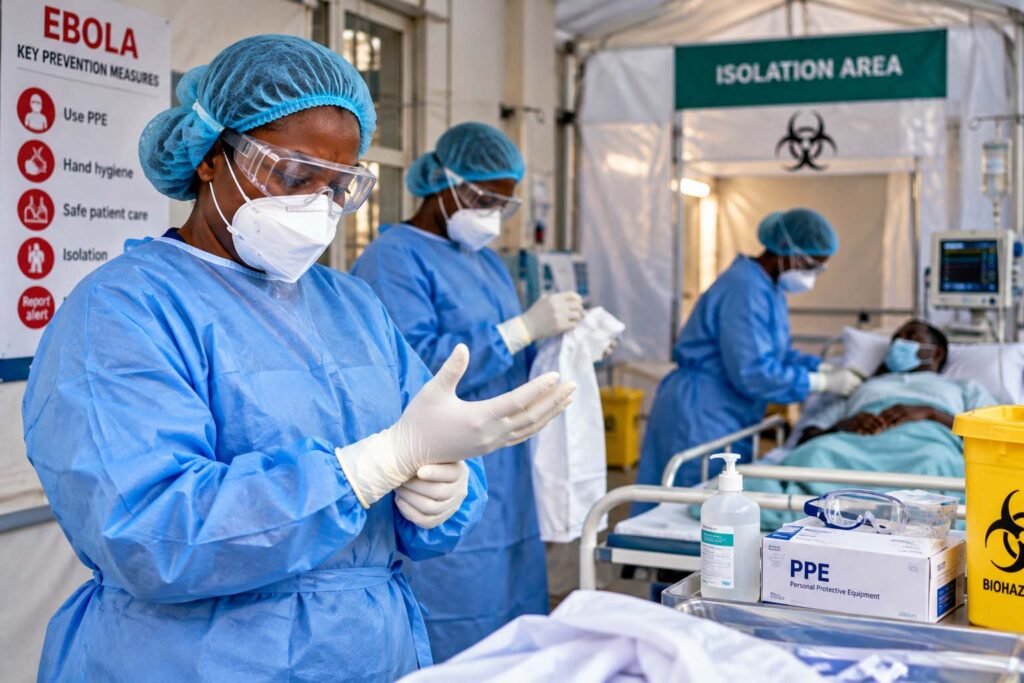
Kenya is strengthening surveillance, screening at high-risk points of entry and coordination with regional health authorities. The response also requires adequate protective equipment, trained healthcare workers, laboratory capacity and clear communication with communities.
Members of the public should remain calm, follow official Ministry of Health guidance and avoid spreading unverified information. Anyone who believes they may have had direct contact with a confirmed case should promptly contact health authorities for assessment.
HealthSignal Africa takeaway
Kenya’s second Ebola case underscores the importance of sustained vigilance after an imported infection. Detecting the infection while the patient was in quarantine provides an opportunity to limit further transmission.
The immediate priorities are to complete contact tracing, monitor exposed people, protect frontline healthcare workers and communicate reliable information to the public.

Discussion