News
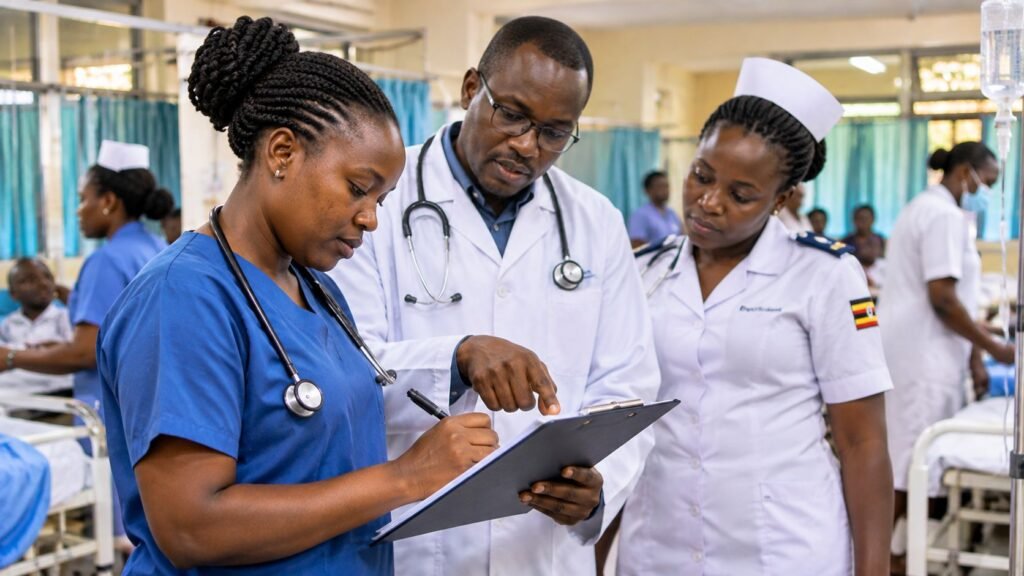
Uganda Plans to Recruit 17,000 Health Workers Over a Decade, Parliament Told
Uganda says it plans to recruit 17,000 health workers over 10 years and procure 52 ambulances, but funding, annual targets and facility readiness will shape delivery.
Interventions, technologies and systems responses.
Uganda says it plans to recruit 17,000 health workers over 10 years and procure 52 ambulances, but funding, annual targets and facility readiness will shape delivery.
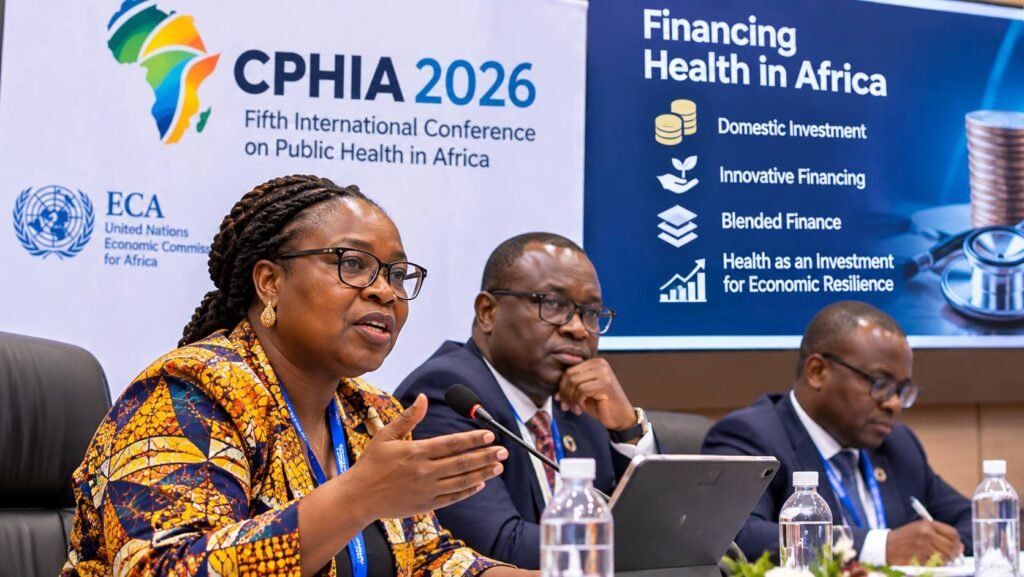
ECA urges African governments to make health financing commitments visible in budgets and track releases, spending and services to strengthen accountability.
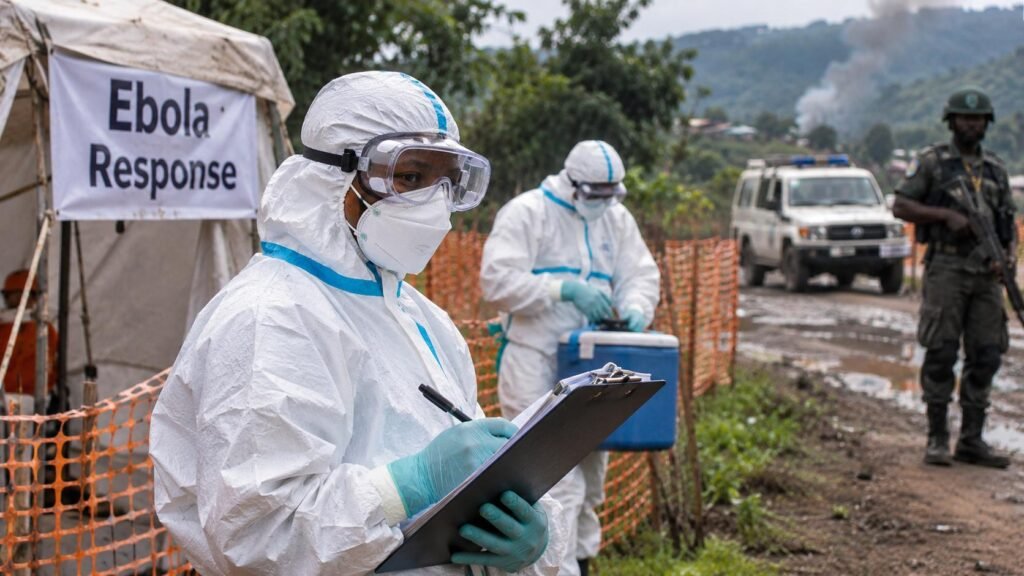
Fighting in eastern DRC is disrupting Ebola surveillance, contact monitoring, supply delivery and health operations as response teams face insecurity. The disruption threatens continuity of care and outbreak control.
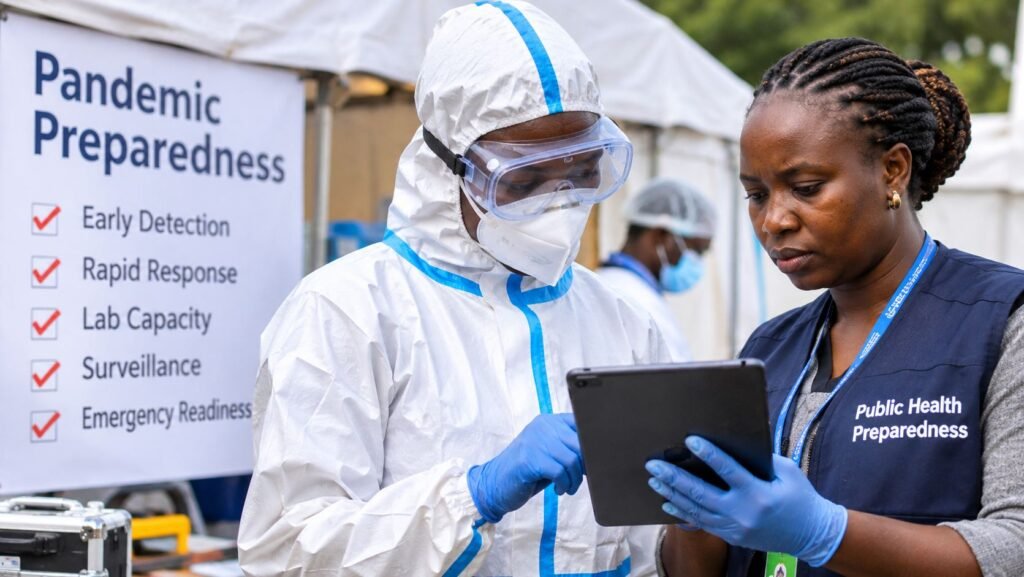
WHO Africa calls for sustained domestic investment in preparedness plans so countries can respond to emergencies without waiting for external funding.
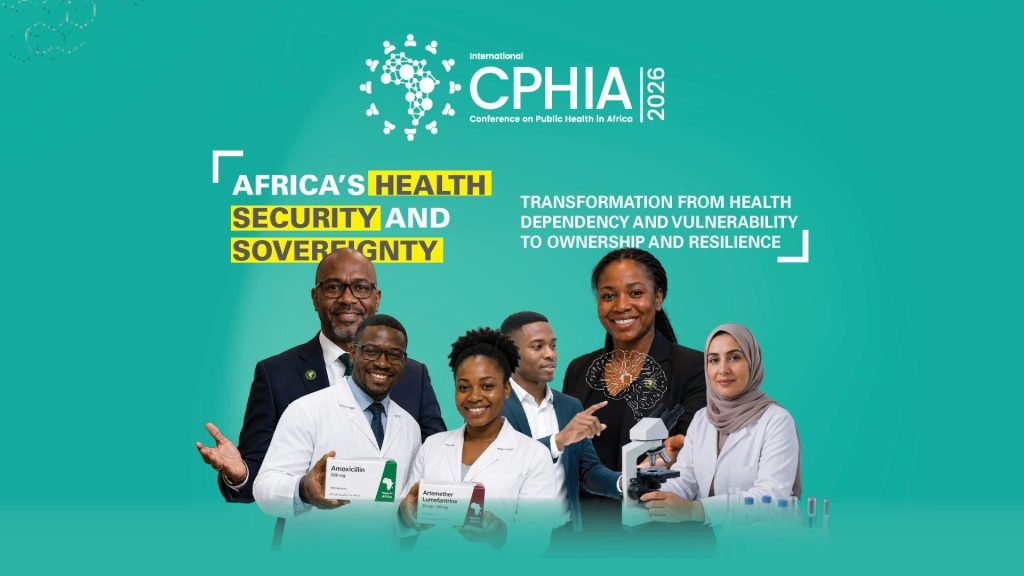
Uganda’s decade-long health-worker plan, generic lenacapavir in Zambia, DRC Ebola access, Africa CDC oversight, HIV financing, pandemic preparedness and current opportunities.
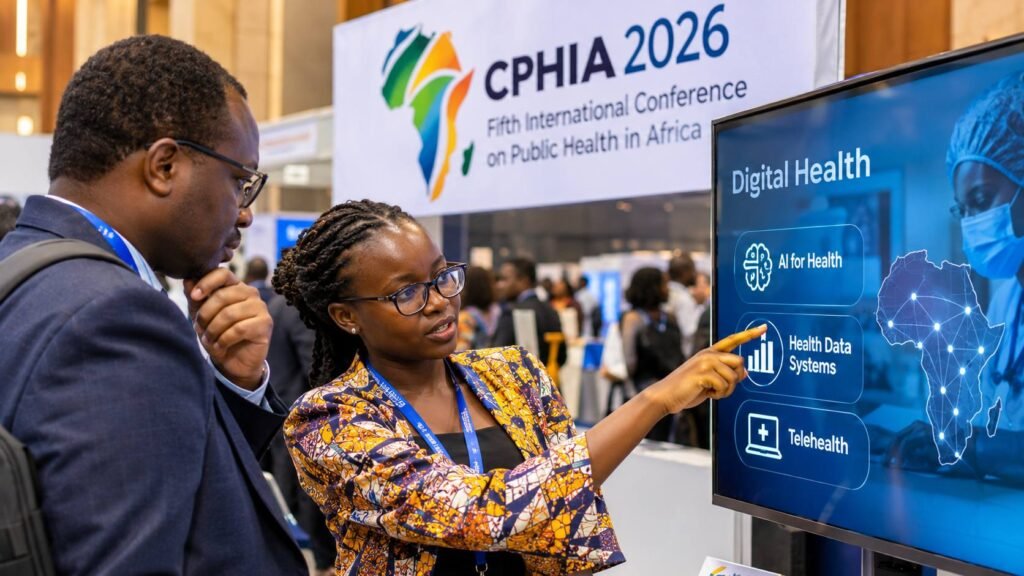
CPHIA 2026 places AI and digital health in Africa’s health sovereignty agenda. The challenge is funding, infrastructure, data governance and practical deployment.

Researchers analysing 136 Aspergillus fumigatus isolates from five ecological niches in Yaoundé found resistance to at least one tested triazole in 42 per cent of samples.
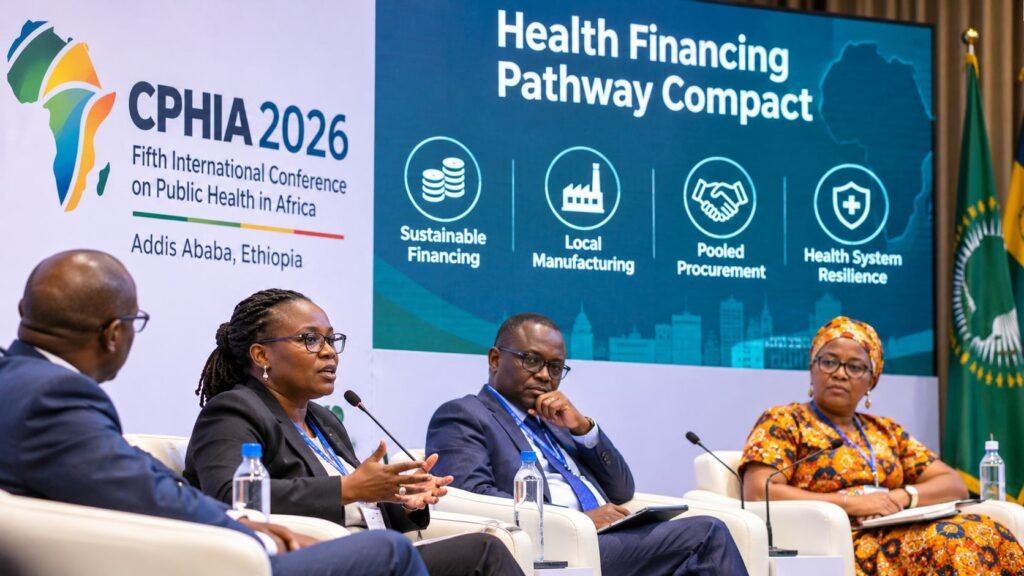
The CPHIA Health Financing Pathway Compact puts domestic financing, budget coordination and accountability in focus as African countries seek more sustainable health systems.
Ethiopia reports that locally manufactured medicines and health products now hold 44% of its domestic market, while separate public-procurement data show a different measure of local supply.
A continental Africa CDC assessment finds that adolescent health policies are widespread, but youth-friendly services, financing and data remain far behind commitments.