Public Health
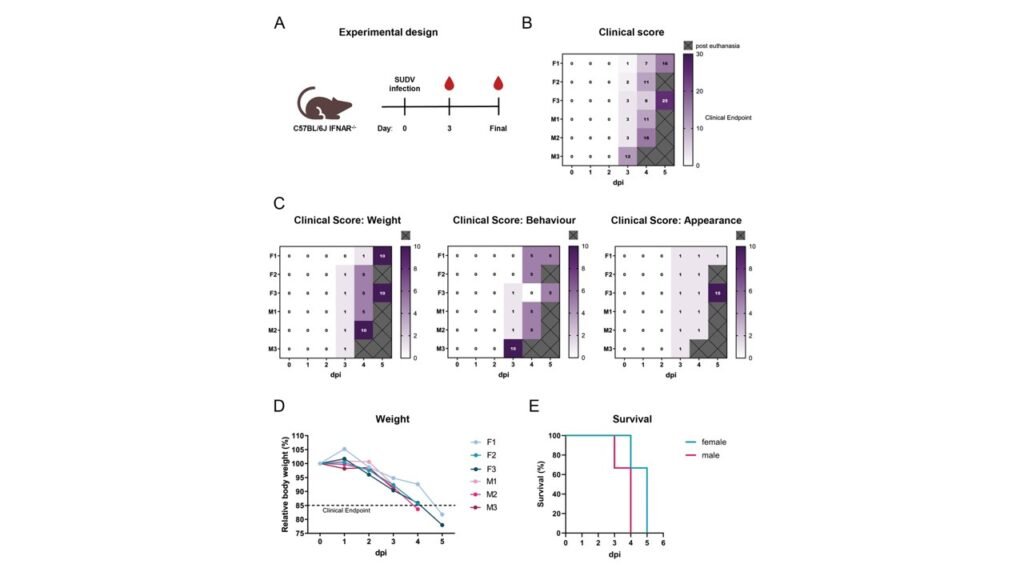
From the abstract: “C57BL/6J IFNAR-/- mice, which lack the type I interferon (IFN-α/β) receptor, have been reported to be susceptible to filovirus infections, although their impaired innate immune response may represent a potential limitation of the model.”
Technology & Industry
From the abstract: “This study used cross-sectional data on 948 informal workers (traders, fisherfolk, artisans, farmers, and drivers) in the Cape Coast Metropolis, Ghana.”
Hospital Systems
From the abstract: “A retrospective cohort study was conducted among children aged 6–59 months with uncomplicated severe acute malnutrition treated in outpatient therapeutic programs from March 2023 to February 2024.”
Financing & Policy
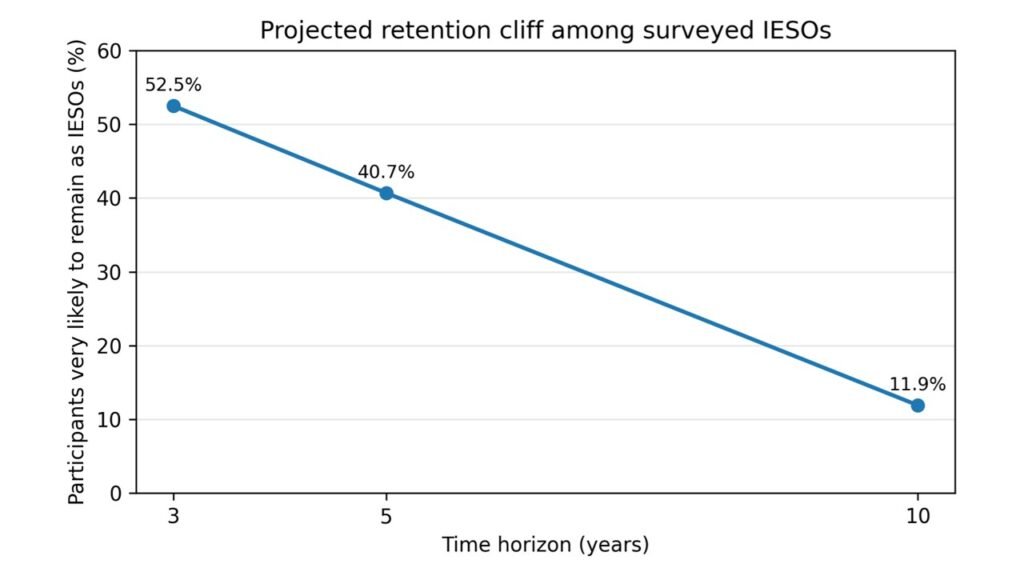
From the abstract: “Of the 84 IESOs practising in Tigray, 59 attended the region-wide safe-cesarean-delivery training and all 59 completed the survey, giving a 100% response rate among invtied participants and representing 70.2% of practising IESOs in the region.”
Public Health
From the abstract: “This review aimed to map the studies on adolescent sleep health in Africa with a focus on the geographical distribution, publication trends, pattern of sleep health measures, prevalence of sleep disorders, the barriers and facilitators to good sleep health, rural-urban disparities, as well as the associations of sleep health with mental health, school schedule and cardio-metabolic risk among the adolescents.”
Research & Evidence
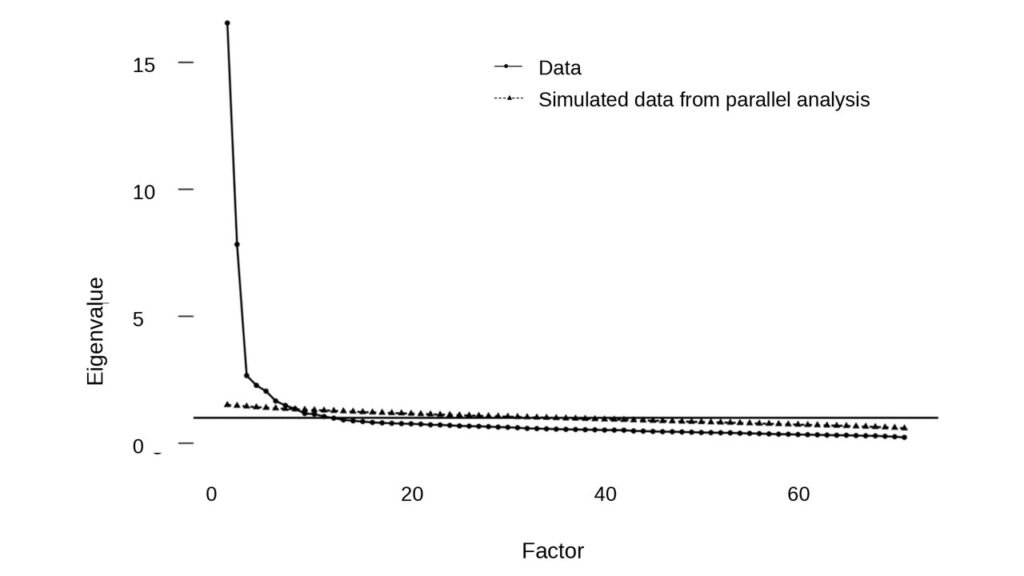
From the abstract: “This study aims to map cultural scripts of trauma suffering and to develop and validate the Cultural Scripts of Trauma Inventory (CSTI) across Eastern African countries, including Rwanda, Uganda, Tanzania, and Kenya.”
Research & Evidence
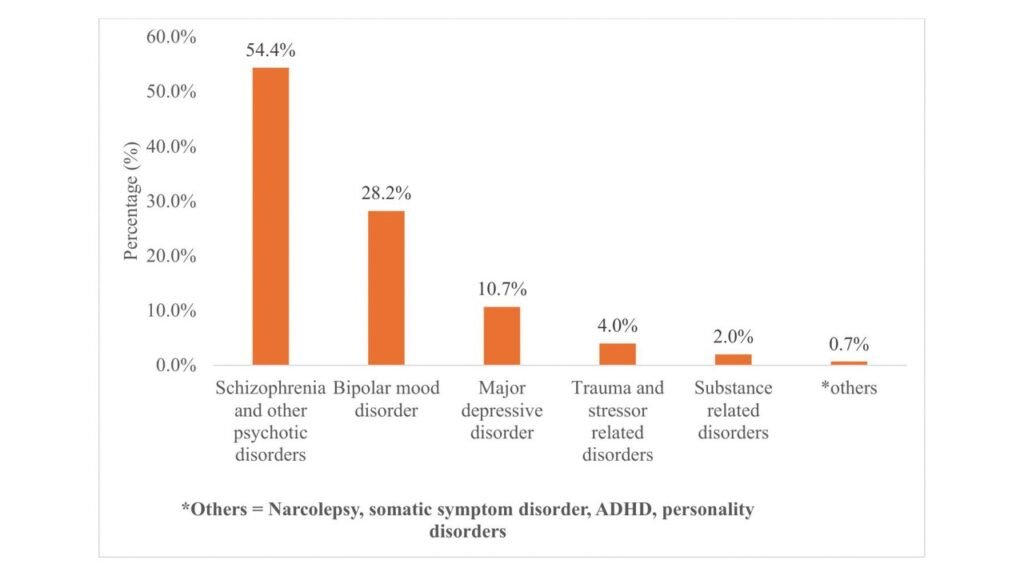
From the abstract: “We aimed to find the prevalence, patterns, and predictors of psychiatric polypharmacy among adults at Sbrana Psychiatric Hospital (SPH) in Lobatse, Botswana.”
Technology & Industry
From the abstract: “We conducted a PRISMA-ScR–guided scoping review of artificial intelligence (AI) and machine learning (ML) applications in women’s reproductive and hormonal health.”
Research & Evidence
From the abstract: “This qualitative study involved in-depth interviews with 20 key stakeholders (physicians, nurses, administrators, and patients diagnosed with AMI) who participated in MIMIC during the first year of implementation in the emergency department (ED) of a regional referral center in northern Tanzania.”
Financing & Policy
From the abstract: “This study assessed the resilience of health systems in 25 SSA countries from 2000 to 2023 using a multidimensional resilience index and a first-order Markov state-transition framework.”