Read dated developments and population-health research with their original scope intact. This desk publishes source-based reporting and attributed evidence briefings. It does not display a live disease forecasting model or treat historical study counts as current surveillance.
Public health, in context
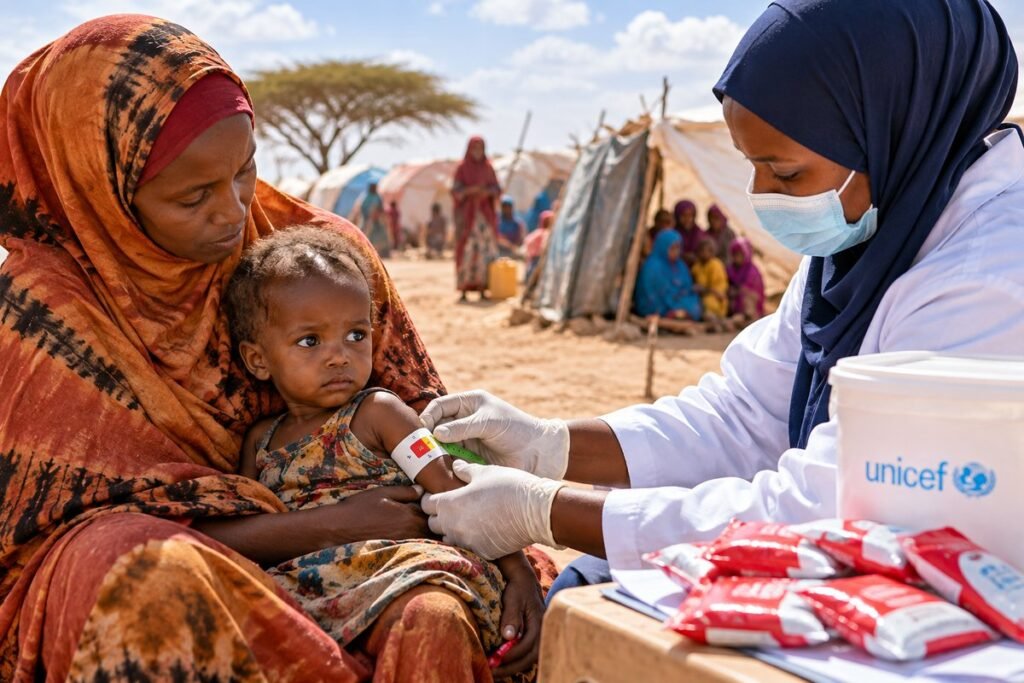
Somalia’s Child Malnutrition Crisis Deepens as Flood Risks and Aid Cuts Threaten Lives
Standfirst: Nearly 1.92 million children aged 6–59 months in Somalia are projected to experience acute malnutrition between July 2026 and June 2027. With severe food insecurity, anticipated flooding and shrinking humanitarian support threatening access to essential services, urgent action is needed to protect vulnerable children.
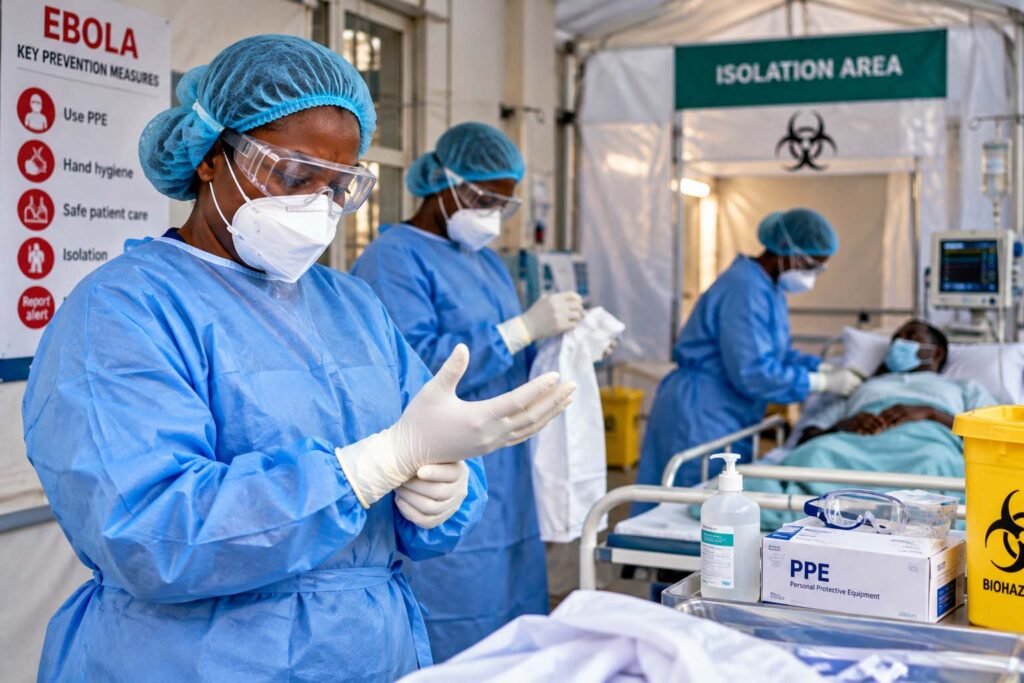
Kenya’s Ebola Readiness Test: Why Protecting Frontline Health Workers Must Come First
Kenya’s response to its first confirmed imported case of Bundibugyo virus disease is raising an important question for the health system: how prepared are the facilities and healthcare workers expected to respond if additional cases emerge?
WHO updates Ebola and Marburg surveillance guidance
New operational guidance connects alerts, investigation, contact tracing and community engagement. It provides a framework to assess; national protocols still govern the response.
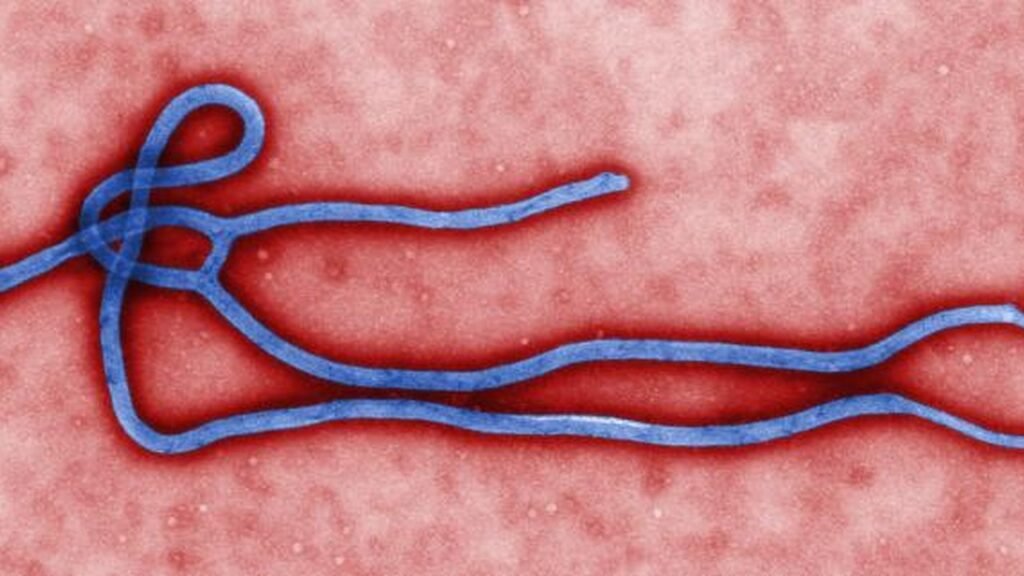
Kenya confirms first imported Bundibugyo Ebola case
A confirmed imported Bundibugyo case changed Kenya’s response. The evidence needs to distinguish the patient, contact follow-up and any subsequent transmission.
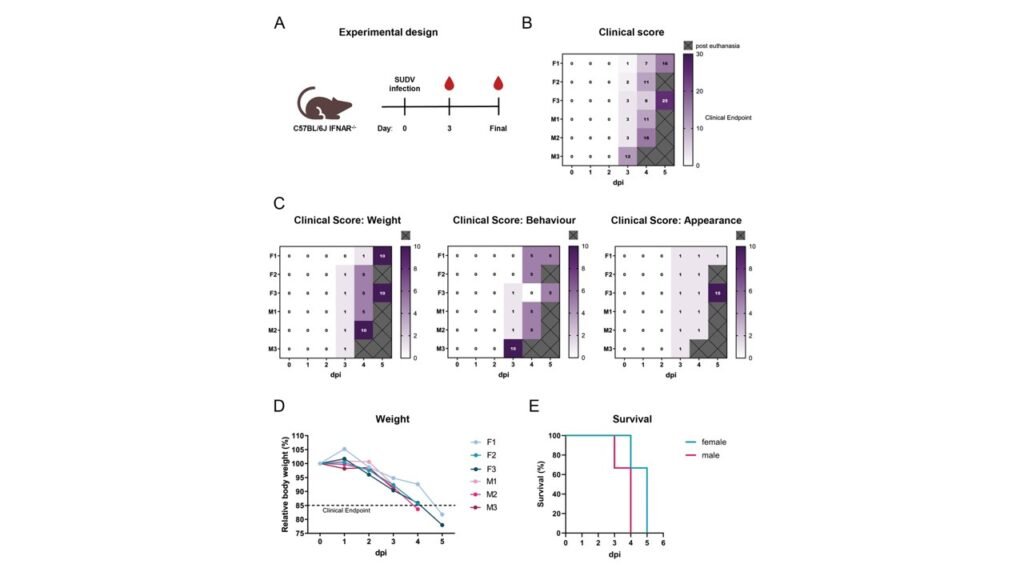
Sudan virus inflammation in IFNAR-deficient mice
From the abstract: “C57BL/6J IFNAR-/- mice, which lack the type I interferon (IFN-α/β) receptor, have been reported to be susceptible to filovirus infections, although their impaired innate immune response may represent a potential limitation of the model.”
Adolescent sleep health in Africa: a research review
From the abstract: “This review aimed to map the studies on adolescent sleep health in Africa with a focus on the geographical distribution, publication trends, pattern of sleep health measures, prevalence of sleep disorders, the barriers and facilitators to good sleep health, rural-urban disparities, as well as the associations of sleep health with mental health, school schedule and cardio-metabolic risk among the adolescents.”
Parental stress and maternal quality of life in urban Tanzania
From the abstract: “This study examined the relationships among parental stress, coping strategies, and QoL among mothers living in Kigamboni, Tanzania, using a convergent mixed-methods approach.”
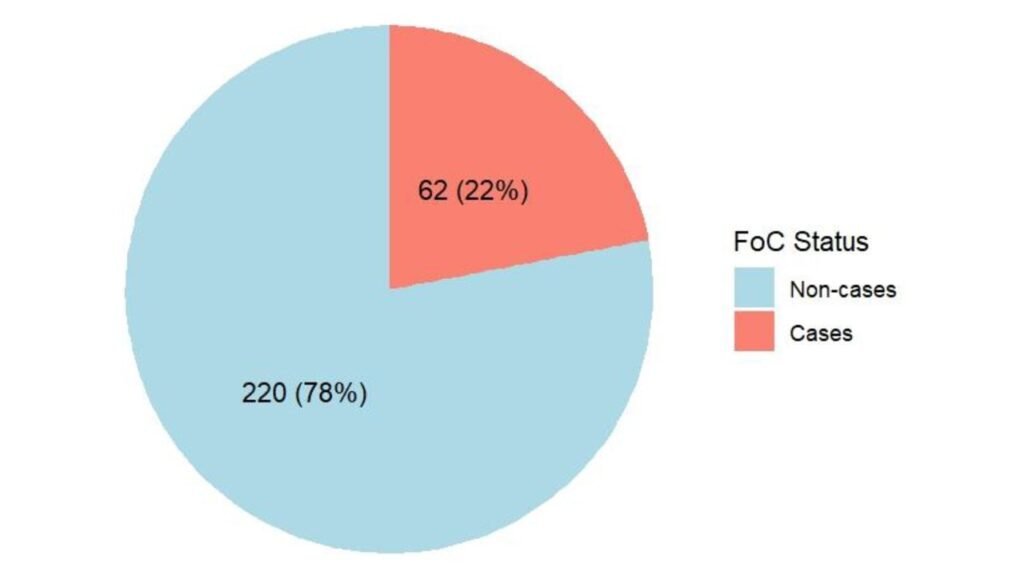
Fear of childbirth among antenatal patients in Kumasi
From the abstract: “A facility-based cross-sectional study was carried out among pregnant women attending antenatal care (ANC) at a primary healthcare facility in Kumasi.”

Measles and rubella elimination progress in Lesotho, 2011–2025
From the abstract: “We conducted a retrospective review of Lesotho’s immunization and surveillance data during 2011–2025.”
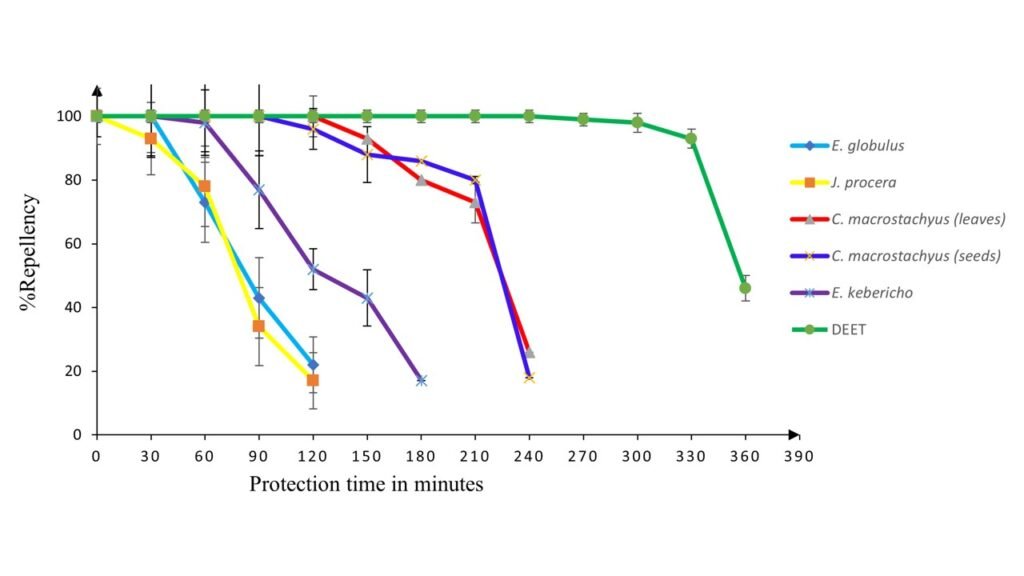
Laboratory testing of plant oils against malaria mosquitoes
From the abstract: “The current study aimed to evaluate the repellent efficacy of essential oils and their binary combinations as complex matrices against Anopheles arabiensis bites, the major malaria vector in Ethiopia.”
WHO’s mpox report: why reporting dates matter
The publication date and the data cut-off answer different questions. WHO’s report provides a useful case study in reading emerging-threat updates carefully.
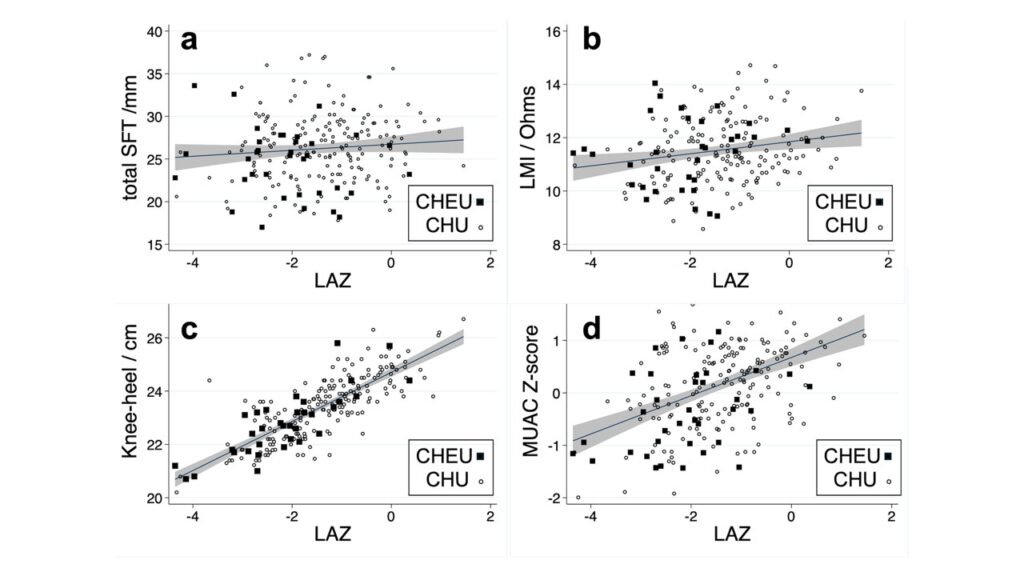
Body composition of HIV-exposed, uninfected children in rural Zimbabwe
From the abstract: “In a substudy among 223 children (36 CHEU and 187 CHU) enrolled in the Sanitation Hygiene Infant Nutrition Efficacy (SHINE) trial in rural Zimbabwe, we measured height, knee-heel length, weight, calf circumference, skinfold thicknesses (triceps, subscapular and calf), and bio-electrical impedance at 2 years of age.”