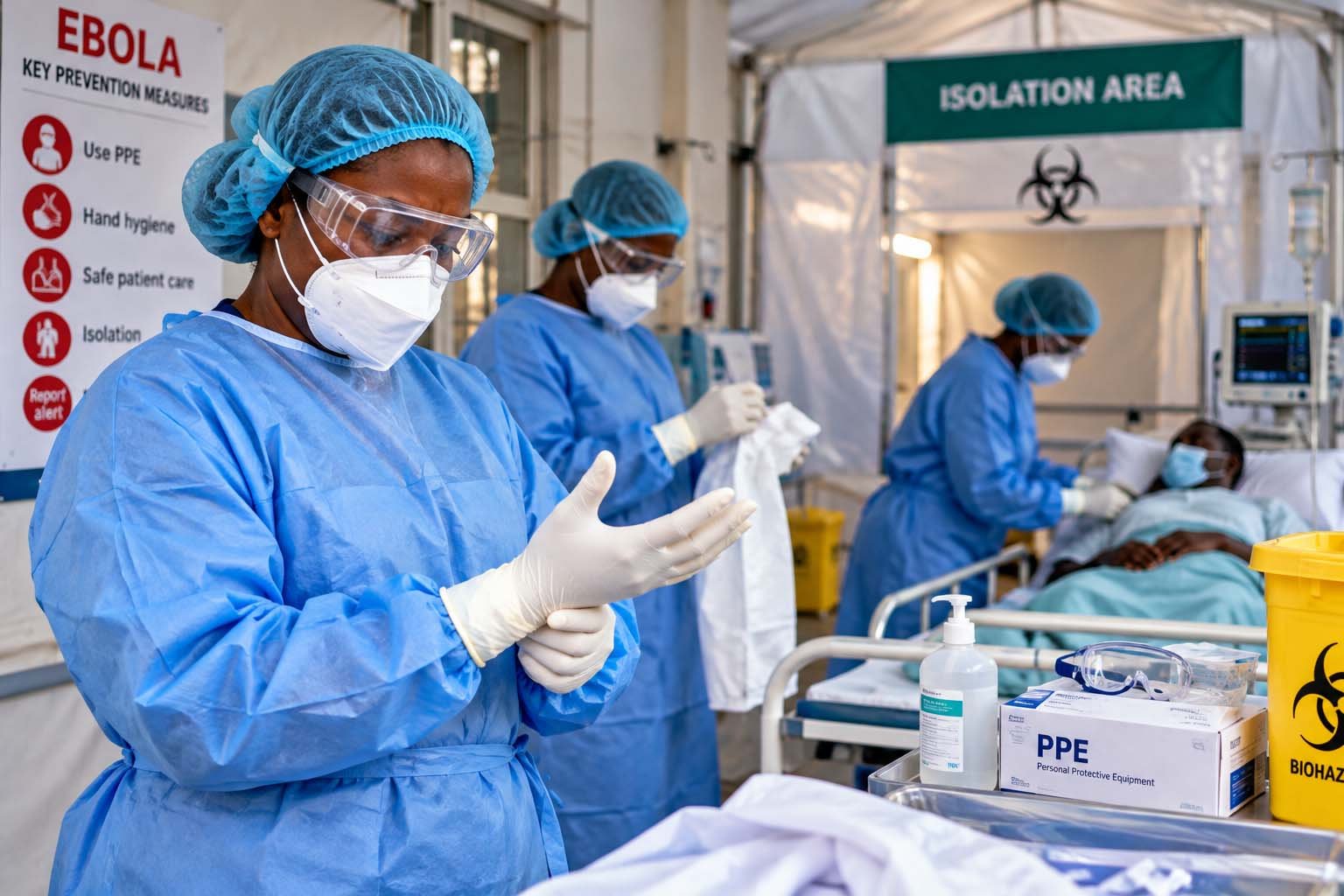
Kenya’s response to its first confirmed imported case of Bundibugyo virus disease is raising an important question for the health system: how prepared are the facilities and healthcare workers expected to respond if additional cases emerge?
Healthcare workers and their professional representatives are calling for stronger participation in national Ebola preparedness planning, adequate personal protective equipment (PPE), and safer working conditions. Their concerns highlight a fundamental principle of outbreak management: protecting the people delivering care is essential to protecting the public.
Preparedness must extend beyond emergency committees
Kenya has activated national response structures to coordinate surveillance, case management, laboratory capacity, infection prevention and control, and communication with communities. These structures are important, but their effectiveness ultimately depends on what happens in hospitals, laboratories, isolation facilities and communities.
Frontline teams need appropriate protective equipment, practical training, reliable supplies, clear reporting procedures and sufficient staffing. PPE must not only be available; it must meet the required standards and be used correctly.
The concerns raised by healthcare workers also underline the importance of including clinical and public health expertise in emergency planning. Staff who understand the operational realities of hospitals and community surveillance can identify gaps before those gaps affect patient care.
The staffing question matters
An infectious disease emergency can place additional pressure on a health system already responsible for routine services. If staff are diverted to surveillance, isolation and emergency response without additional capacity, essential services may face further disruption.
Recruitment, deployment planning and training therefore need to be considered alongside emergency supplies. Community health promoters can also support early identification and referral through appropriate training and established reporting channels.
What should decision-makers prioritise?
Kenya’s preparedness effort should be assessed against practical indicators:
- PPE readiness: Are suitable protective supplies available in the facilities that need them?
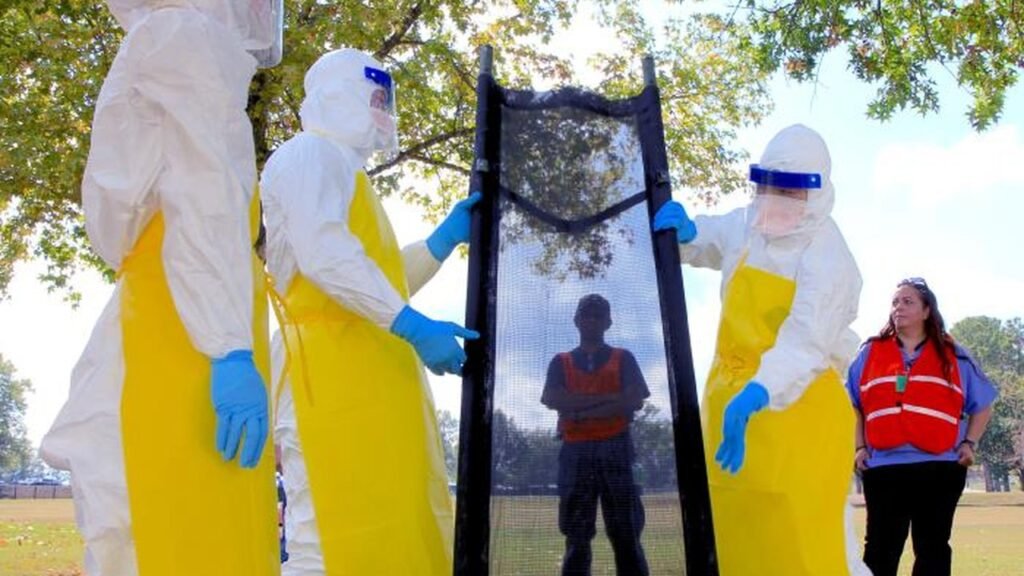
- Staff competence: Have healthcare workers practised safe donning and removal of PPE and relevant infection-control procedures?
- Workforce capacity: Can emergency teams be deployed without undermining routine healthcare?
- Worker participation: Are frontline professionals represented in preparedness planning and operational reviews?
- Accountability: Are gaps documented, assigned to responsible teams and resolved promptly?
These measures would help translate national preparedness commitments into operational readiness.
The wider lesson for African health systems
Ebola preparedness is not simply an emergency procurement exercise. It requires coordinated surveillance, trained personnel, reliable laboratory networks, infection prevention, community engagement and public trust.
For Kenya and its regional neighbours, the current response is an opportunity to test whether emergency plans work in practice. A well-equipped, adequately staffed and informed frontline workforce is one of the most important safeguards against further transmission.
HealthSignal Africa takeaway: Preparedness should be measured not only by the existence of a response plan, but by whether healthcare workers have the equipment, training, staffing and institutional support needed to implement it safely.
Editorial note: This article analyses reported preparedness concerns; it does not imply that widespread Ebola transmission has been established in Kenya.
Discussion