29 November 2026 — Africa
New developments in African vaccine research, immunisation financing and health-system investment are in focus. Uganda has begun recruiting participants for an mRNA Bundibugyo Ebola vaccine Phase I trial; Gavi announced a major grant to support malaria vaccination; and Africa CDC reported new health-financing, manufacturing and preparedness commitments at the close of CPHIA 2026. A WHO feature from Liberia also highlights the workforce and equipment needed to make oxygen care dependable.
Uganda begins Phase I mRNA Bundibugyo Ebola vaccine trial
The Uganda Virus Research Institute (UVRI) launched Africa’s first Phase I trial of Moderna’s investigational mRNA-1469 vaccine against Bundibugyo ebolavirus on 27 November. The study is expected to enrol about 224 healthy volunteers aged 1–65 years and will assess safety and immune responses, with follow-up of roughly one year. Recruitment and screening are under way. Phase I testing is not designed to prove whether the vaccine prevents Ebola disease; efficacy would require later-stage evaluation.
UVRI announcement · CASRAI research news
GiveWell grant could help sustain malaria vaccination in Africa
Gavi, the Vaccine Alliance, announced on 27 November an up-to-US$214 million grant from GiveWell, funded by Coefficient Giving, to sustain and expand malaria vaccination. If approved by Gavi’s Board in December, the support could restore financing for vaccine programmes in moderate- and high-transmission settings to cover up to 85% of assessed needs, following a reduction in planned support to 70%. Country programme design and co-financing remain important. The grant is not a blanket allocation to every country.
Gavi official announcement · Realnews report
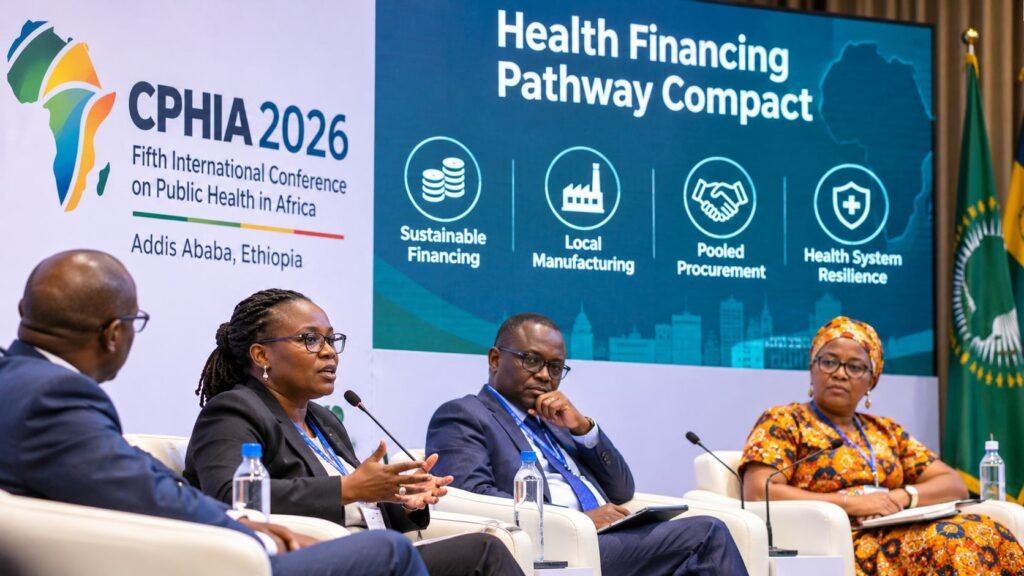
CPHIA closes with new commitments on financing, local production and preparedness
The Africa CDC’s closing statement on 27 November reports new commitments from African governments and partners. The Central African Republic aims to increase health’s share of its budget from about 4% in 2026 to 10% by 2029 and report expenditure quarterly. Ghana announced US$1 billion over four years for pharmaceutical and biomanufacturing hubs; Zambia broke ground on a cholera vaccine manufacturing facility; and pooled procurement agreements are expected to generate estimated savings of US$200 million. Five SADC countries joined procurement arrangements, while Sudan, South Sudan and Botswana signed the African Pooled Procurement Mechanism agreement. These are commitments and projections—not proof of funds disbursed or production already achieved.
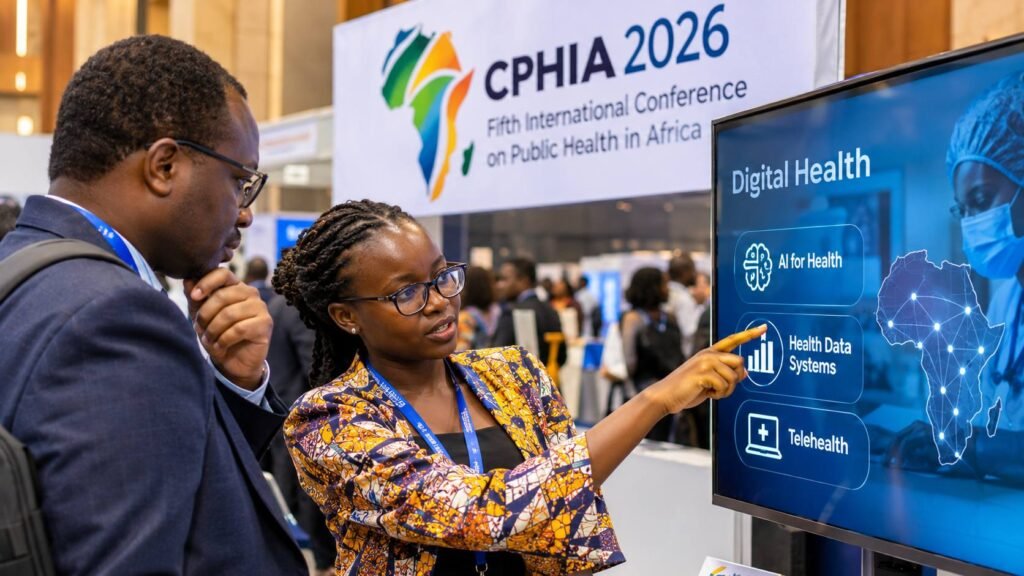
Leaders also committed to climate-health early-warning systems, One Health coordination, shared laboratory infrastructure and genomic surveillance. Other announcements included a US$665 million Beginnings Fund commitment for maternal and newborn health across 14 African countries, 60 specialist scholarships pledged by Tanzania, a continental AI and digital-health roadmap, plans for an AI university in Ethiopia, and the Africa Health Atlas with standardised indicators for all 54 countries. The Atlas has launched; the roadmap and university are plans whose implementation should be tracked. The conference’s next test is public reporting on what has been financed and delivered.
Africa CDC closing statement · The Addis Commitments
Liberia: oxygen access depends on trained respiratory-care staff
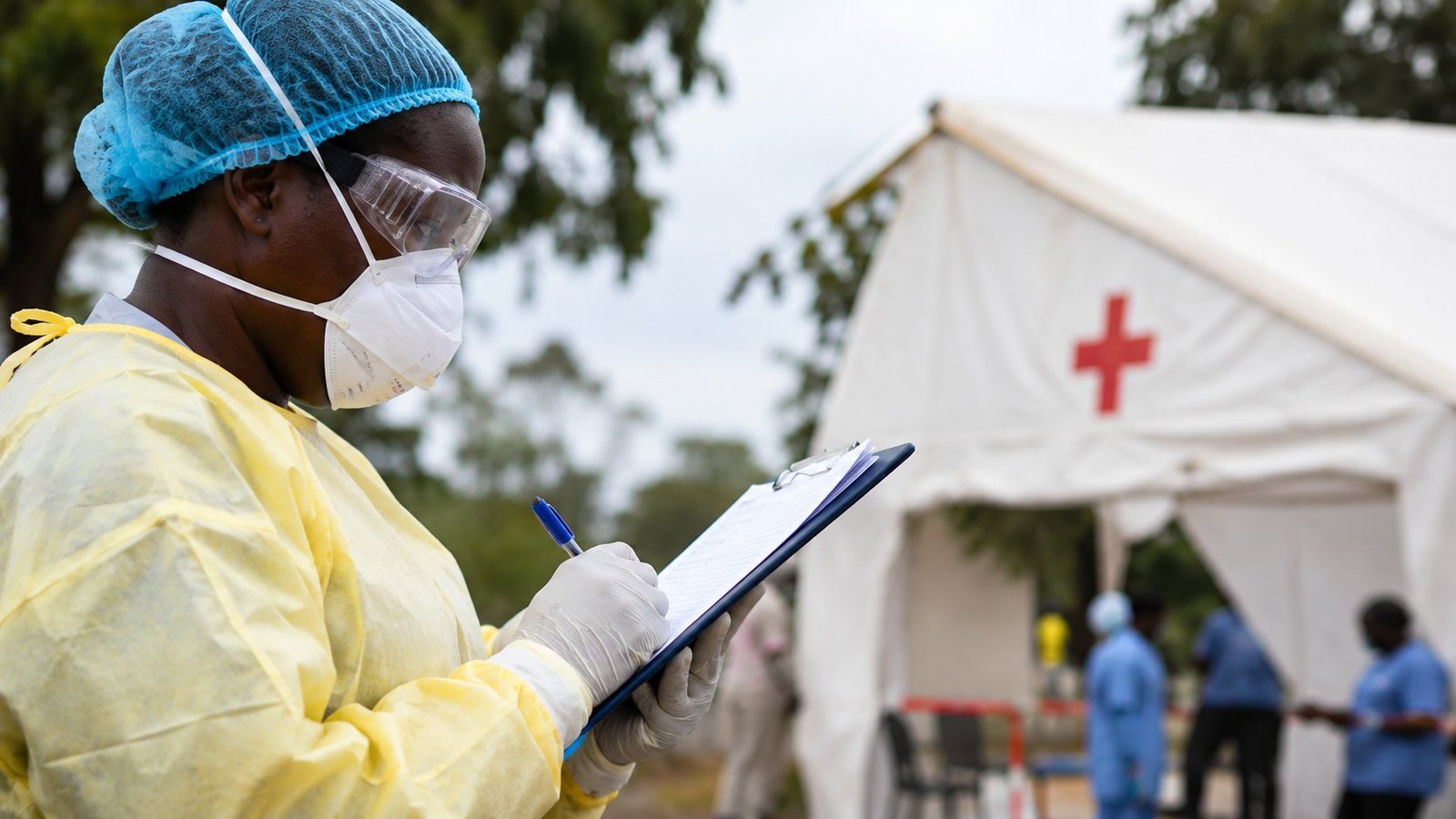
A WHO Africa feature published on 28 November profiles Nancy Wilson, a respiratory therapist at Hope for Women hospital in Monrovia, who describes oxygen shortages during the COVID-19 pandemic and subsequent efforts to improve access. WHO says two pressure-swing adsorption oxygen plants were established in 2022 at Star Base on Bushrod Island in Monrovia and Liberia Government Hospital in Tubmanburg, Bomi County. The share of health centres and hospitals with improved oxygen therapy and access rose from 51% in 2021 to 67% in 2023, according to the feature. These are dated national figures, not a 2026 facility inventory.
Earlier-week watch: reported US$135 million health investment (26 November)
Reports published on 26–27 November by Africa Science News, The National, Pan African Visions and THISDAY say nine African countries could benefit from a US$135 million commitment by the Mohamed bin Zayed Foundation for Humanity for medicines, equipment and health technologies across more than 500 facilities. This is an earlier-week development, not a lead from the latest 24–48 hours. The countries named are Nigeria, Ethiopia, Kenya, Liberia, Malawi, Rwanda, Ghana, Sierra Leone and Mozambique. Other media have reported similar details, but the foundation’s original announcement was not located during this check. The amount, delivery schedule, commodity list, country allocations and co-financing terms should be confirmed before a standalone article is published.
Africa Science News report · The National report · Pan African Visions
Outbreak watch: DRC Bundibugyo Ebola response
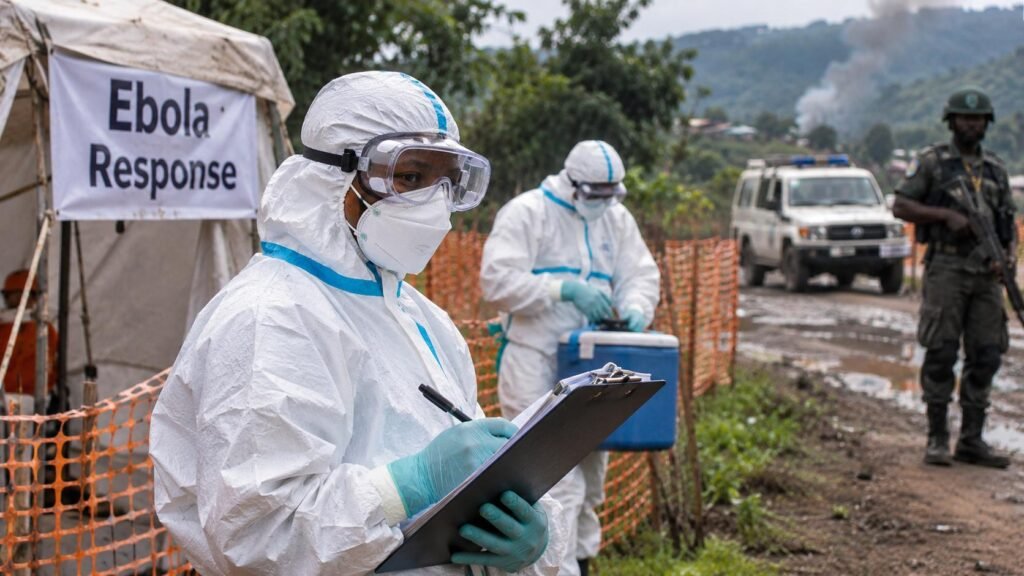
The latest ECDC update, published 26 November with data through 24 November, reports 12,021 confirmed cases and 5,904 deaths in the DRC across eight provinces and 69 health zones. ECDC also reports 20 cases in Uganda, nine in Kenya and one in Nigeria, with secondary transmission associated with imported cases reported in Uganda and Kenya. The data are under ongoing review and harmonisation. These are not 29 November figures.
ECDC outbreak update · Associated Press report
Continental preparedness funding
Africa CDC’s Bundibugyo response plan for November 2026–May 2027 estimates a resource requirement of US$1.576 billion, with a range of US$1.509–1.648 billion. The plan is a financing requirement, not a confirmed funding total. It was published earlier in the week and is included as context for the ongoing emergency.
Technology and research watch
- Uganda’s mRNA vaccine trial expands African clinical research capacity and will include participants from age one, subject to trial eligibility and consent procedures.
- Gavi’s grant highlights the financing required to maintain vaccine delivery after introductions; uptake and completion of the full schedule remain key.
- CPHIA outcomes include a continental AI and digital-health roadmap, an Africa Health Atlas and commitments on data, surveillance, laboratory infrastructure and manufacturing.
Health opportunities
- UNICEF Mozambique WASH emergency response roster — national consultants; deadline 29 November (today).
- AFENET Zonal Partner Coordination Lead, DRC — deadline 30 November.
- Global Communities Project Director, DRC Human Resources for Health — deadline 30 November.
- UNICEF Health Specialist, Health Emergency Preparedness and Response (P-4), Nairobi — deadline 1 December.
- ALIMA Clinical Research Referent, EBO-PEP trial — deadline 4 December.
- MSF Health Promotion and Community Engagement Manager, Ebola emergency pool — deadline 6 December; ReliefWeb listing.
- ALIMA MHPSS Flying Manager, Nigeria — deadline 7 December; ReliefWeb listing.
ReliefWeb verification note: ReliefWeb’s jobs pages were inaccessible (HTTP 403). The two opportunities above are cross-referenced with employer pages and existing Health Signal Africa records; no new ReliefWeb listing was added without live verification.
What was not confirmed in this window
No sufficiently verified new development was identified within the 24–48-hour window for noncommunicable disease policy, new maternal-health data, medicine regulatory action or climate-health response that met the threshold for a separate lead. These areas remain on the editorial watchlist. Older developments were not presented as new headlines.
Related Health Signal Africa coverage
- CPHIA health financing pathway compact
- CPHIA AI and digital-health agenda
- Conflict disrupts Ebola response in eastern DRC
- Africa’s health-financing crisis and external aid shifts
Health Signal Africa — Health, systems, financing and innovation across the continent.
Discussion