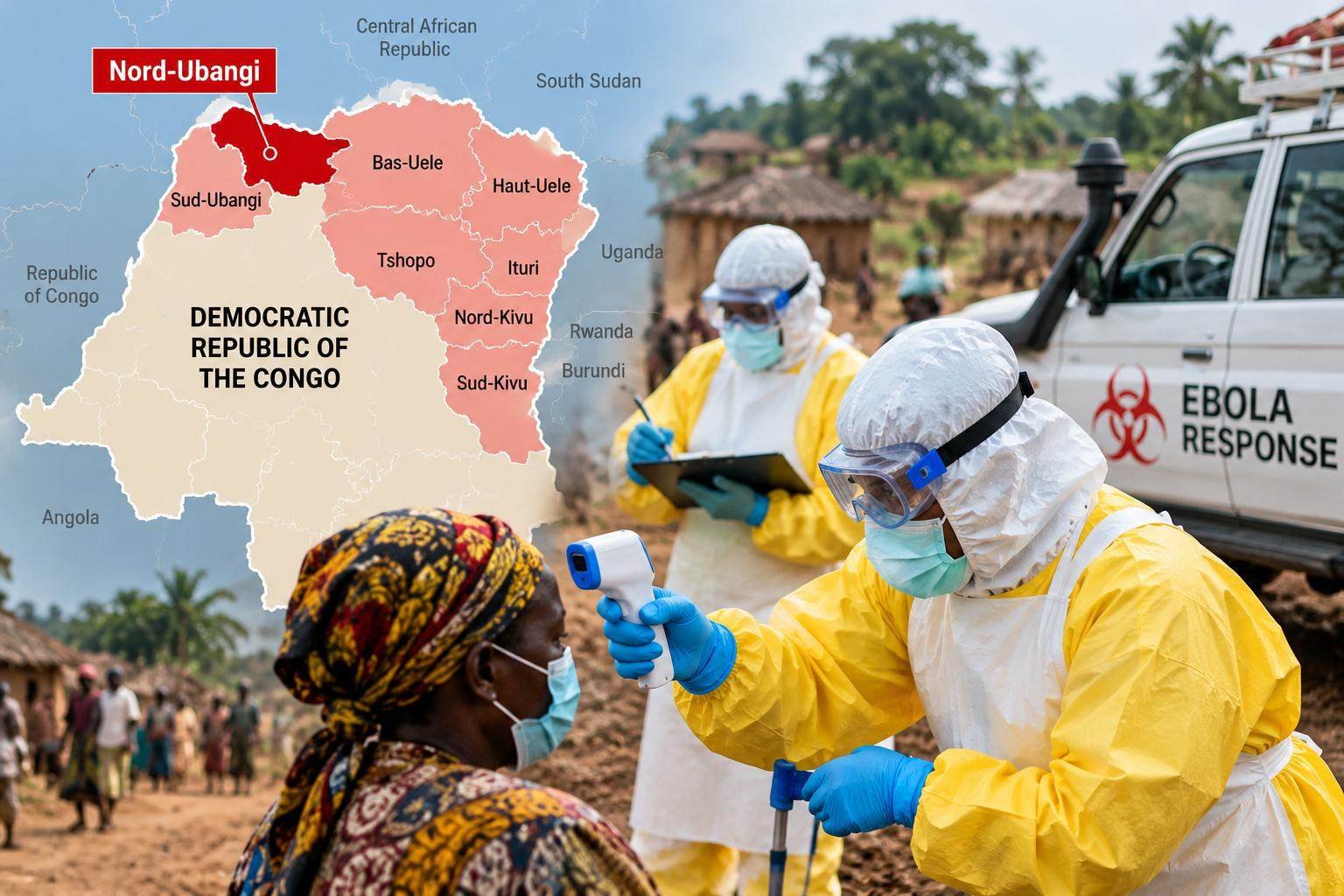
Monday, 16 November 2026 — Two important developments published over the weekend highlight the pressures facing African health systems: the Bundibugyo Ebola outbreak in the Democratic Republic of the Congo (DRC) remains uncontrolled six months after it was declared, while Sierra Leone is making gradual progress in building local capacity to perform complex cervical cancer surgery. Both stories point to the importance of trusted community engagement, trained health workers and services that can be sustained beyond emergency missions.
Central Africa: Africa CDC says DRC Ebola outbreak remains uncontrolled
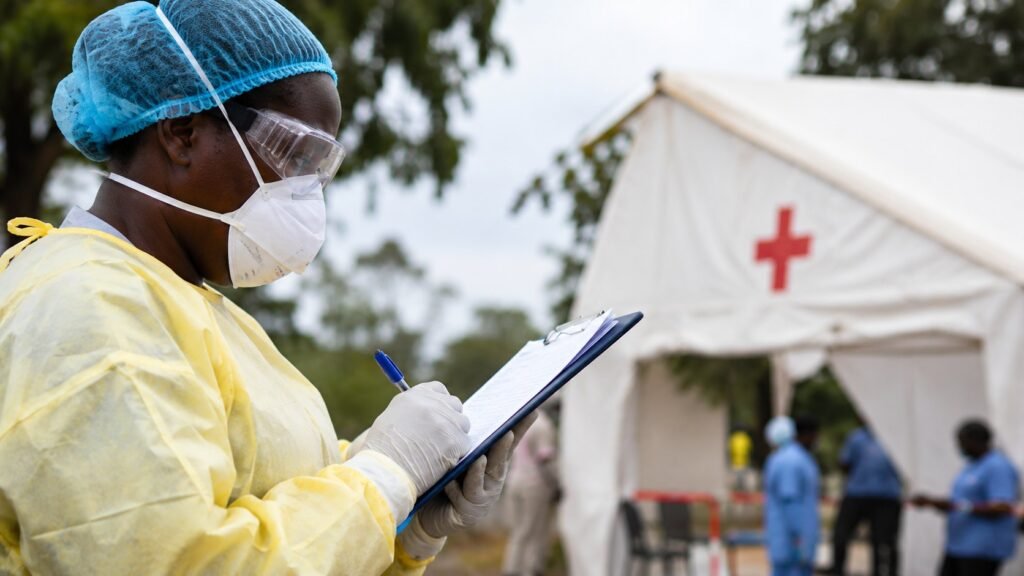
A joint statement issued on 15 November by Africa CDC, UNFPA, UNICEF, WFP and WHO says more than 11,000 cases and 5,400 deaths have been reported since the Bundibugyo virus outbreak began in the DRC. Children account for more than a quarter of confirmed cases and one third of deaths. Seven in ten children under five with confirmed Ebola have died. Although transmission has slowed in several early epicentres, the agencies say 400 to 500 new cases continue to be reported each week and the outbreak has expanded to 67 health zones in eight provinces.
Reuters reported on 15 November, citing Congolese government data, that infections had exceeded 11,200 and deaths had passed 5,500. The figures are not identical because the sources use different reporting cut-offs and aggregation. The joint statement uses rounded cumulative totals; neither should be treated as a live daily count.
The response has achieved important operational gains. Diagnostic capacity has expanded from two laboratories to more than two dozen, close to 2,000 treatment beds are available across 104 treatment and transit centres, and around 3,000 people have recovered. More than 17,000 community health workers and 46,000 community actors have been trained and supplied. Nearly 90% of registered deaths are now managed through safe and dignified burials. These are response-capacity and programme-output measures, not evidence that transmission has been interrupted across the country.
The same statement says two-thirds of confirmed deaths have occurred in communities, indicating that many infections are still being identified late. More than 80 attacks on healthcare have been recorded since the outbreak was declared. A recent attack in Cantine-Aloya killed 66 civilians, including three health workers, and three health facilities were looted. More than 1,000 contacts were lost to follow-up and three confirmed cases remained unaccounted for. The agencies say delays in paying frontline health workers are also slowing the response.
Recent imported cases in Kenya and Nigeria underline the cross-border risk. The agencies are calling for safe access to affected communities, protection of health workers, fast and flexible funding through 2027, community participation and continuity of wider services, including maternal and newborn healthcare, nutrition, water and sanitation, mental health and child protection.
Read the joint Africa CDC and UN statement of 15 November and Reuters’ report on Africa CDC’s assessment. Health Signal Africa has updated its existing DRC Ebola response analysis with the new six-month assessment.
West Africa: Sierra Leone builds local capacity for cervical cancer surgery
A WHO feature published on 15 November describes how Sierra Leone is developing local expertise to treat early-stage cervical cancer. Surgical camps organised by the Ministry of Health at Princess Christian Maternity Hospital in Freetown, with support from WHO, Zambia’s Ministry of Health, Friends of Africa and other partners, have provided complex surgery to 15 women since 2024 while training local specialists.
The latest camps were held in December 2025 and July 2026. For the first time, the 2026 camp was led by a Sierra Leone-based gynaecological oncologist rather than relying on visiting surgeons to lead the procedures. WHO’s account follows resident doctor Dr Rosalitta Jaida Toogbabu, who had observed radical hysterectomy only twice before joining the programme and has since taken on greater responsibility under supervision.
Princess Christian Maternity Hospital is Sierra Leone’s only tertiary maternal health facility. The concentration of specialist services in one institution creates challenges for women living far from Freetown and for a health system seeking to maintain complex care between surgical camps. WHO’s 2025 annual report recorded 11 early-stage cervical cancer surgeries during that reporting period; its November 2026 feature reports 15 women treated through the camps since 2024. These are programme-reported service figures, not a clinical study of survival or recurrence.
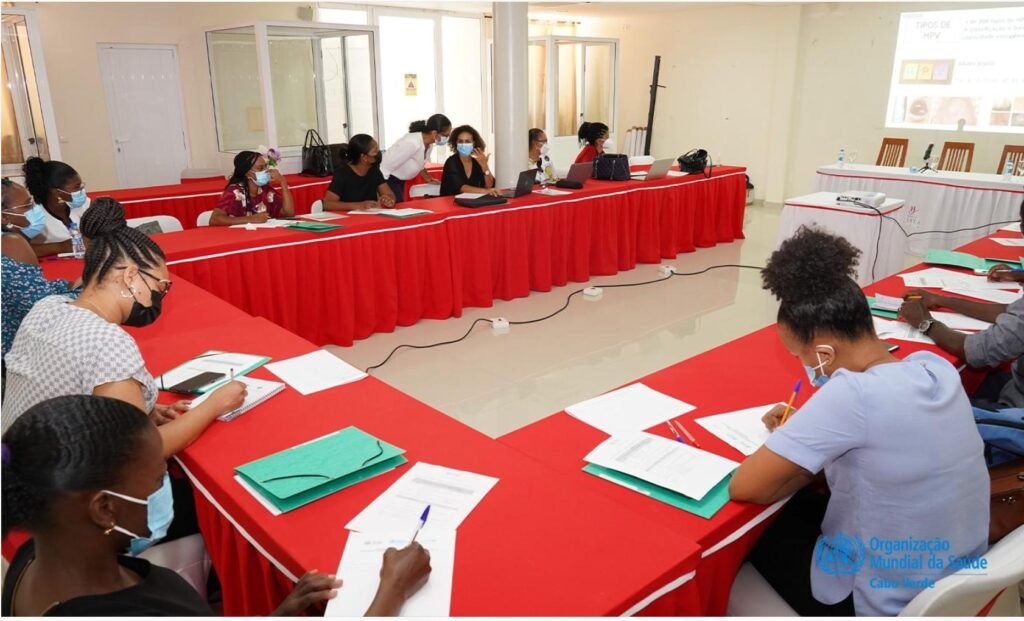
Local clinicians say further high-volume training and exposure to other areas of gynaecological oncology are still needed. Sustaining the service will require structured mentorship, specialist fellowships, pathology and imaging, operating-theatre capacity, referral pathways and follow-up. Surgery must remain part of a wider continuum that includes HPV vaccination, screening, diagnosis and appropriate treatment.
Read WHO’s 15 November feature on cervical cancer care in Sierra Leone and the WHO Sierra Leone Annual Report 2025. Health Signal Africa has prepared a standalone article for editorial review: Sierra Leone Builds Local Surgical Capacity for Cervical Cancer Care.
Technology and research watch
The most concrete technology development in this reporting window is the expansion of DRC Ebola diagnostic capacity from two laboratories to more than two dozen, according to the 15 November joint statement. The report also confirms that candidate vaccines and treatments continue to be evaluated. These products remain investigational; no efficacy or approval claim is made. Sierra Leone’s surgical camps are a health-workforce and service-delivery innovation, with regional mentorship supporting the transfer of specialist skills. No new African AI diagnostic product or digital-health effectiveness result published in this window was sufficiently verified for inclusion.
Health opportunities: new Ebola-response role in the DRC
Health Signal Africa has added a verified Médecins Sans Frontières vacancy for a Health Promotion and Community Engagement Manager – Ebola Emergency Pool. The role supports community engagement, health-promotion strategy, community-based surveillance and training of field teams in the DRC. Applicants need at least B2 French, a relevant degree or community-health nursing diploma, and at least two years of health-promotion programme management experience. Ebola or outbreak-response experience is a strong asset. The first deployment rotation is expected to last 12–16 weeks, followed by 21 days of post-deployment monitoring. The application deadline is 6 December 2026; salary is not disclosed, although MSF lists travel, accommodation, medical cover and daily allowances during missions. See the Health Signal Africa listing, the ReliefWeb notice and the official MSF application page.
Applicants should also note the nearest existing deadlines on the Opportunities page: The MENTOR Initiative’s Programme Director role in Mozambique and UNICEF’s construction-supervision consultancy in Pemba close on 17 November; UNICEF’s Adolescent Health Specialist P-4 position in Nairobi closes on 18 November. Review the original notices before applying.
Editorial verification note
This edition prioritises institutional material published on 15 November 2026 and reviewed on 16 November. DRC outbreak totals are rounded in the joint Africa CDC and UN statement; Reuters reports a higher government-data total with a different cut-off. Programme outputs such as laboratory capacity, treatment beds and recoveries are attributed to the joint statement. The Sierra Leone surgery count is cumulative since 2024 and is not an independent evaluation of patient outcomes. No new verified HIV, malaria, NCD financing or AI-diagnostic announcement in the 14–16 November window met the threshold for a separate story. Health Signal Africa has not added unverified claims to fill those categories.
Discussion