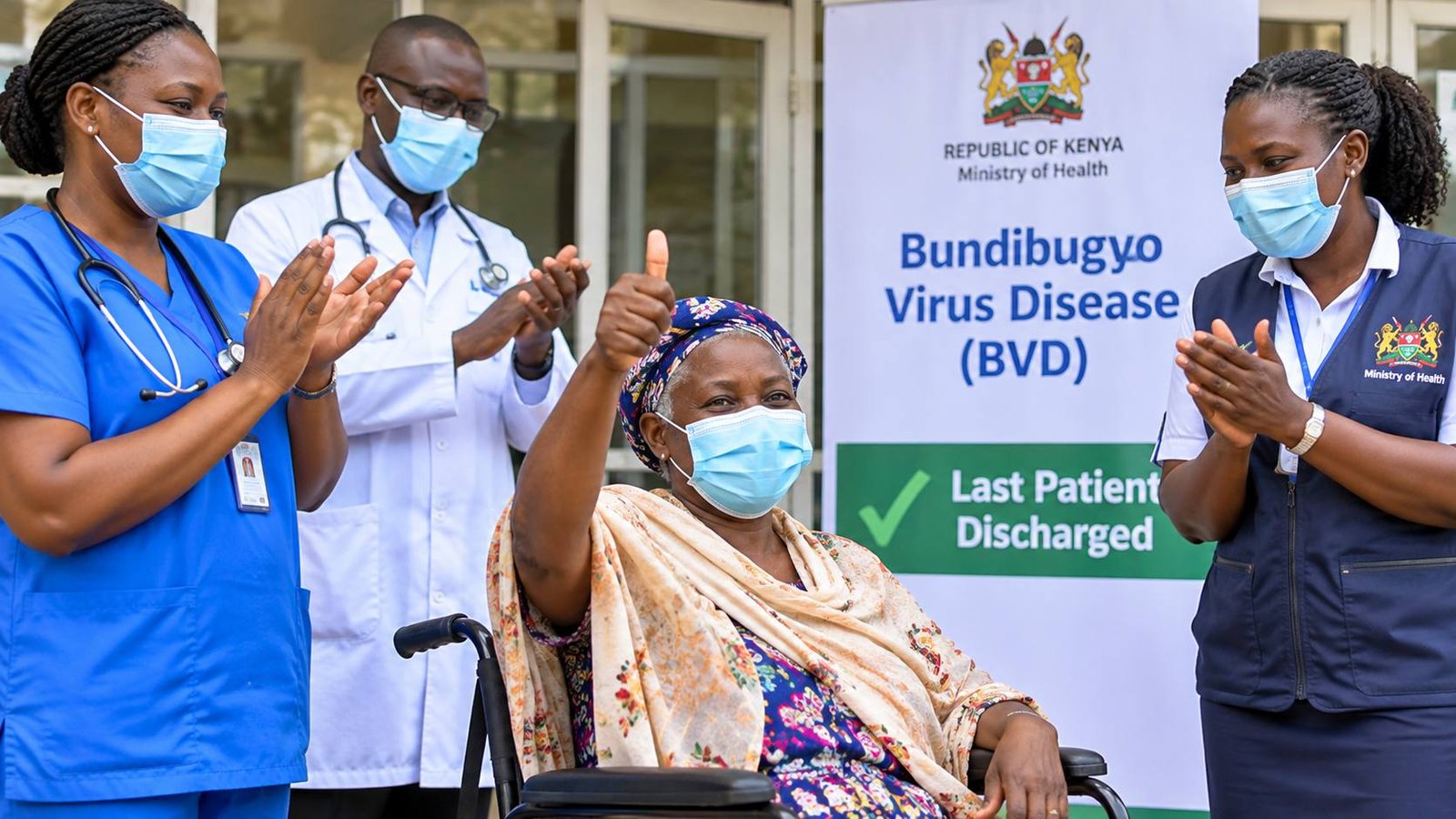
Nairobi, Kenya — Kenya has discharged its last patient with Bundibugyo virus disease, starting the 42-day monitoring period required before the country can be formally declared free of the outbreak. The Ministry of Health announced the discharge on 11 November, alongside the return home of the final 11 contacts who had completed their monitoring period in good health.
Countdown begins after final discharge
The 42-day period began on 12 November and is expected to end on 23 December if no new confirmed case is detected. The period is twice the maximum 21-day incubation period for Ebola virus disease. It gives health authorities time to identify any infection that may have developed among people exposed before the last known case was isolated.
Kenya reported nine confirmed cases, including two deaths, after its first case was confirmed on 6 October. Seven patients recovered. The last confirmed case was reported on 19 October, and WHO said no further case had been recorded by the time of the final discharge. The completion of treatment and contact monitoring is an important milestone, but it is not itself an official declaration that the outbreak has ended.
According to WHO, health authorities traced 135 people who had been in close contact with the first patient, both in Kenya and abroad. Eight additional people later tested positive: four family members and four health workers who had cared for the first patient before Ebola was suspected. All were already in quarantine when they developed symptoms. That allowed response teams to isolate them quickly and prevented wider community transmission.
Why the final 42 days still matter
Kenya’s response now shifts from treatment and intensive contact monitoring to sustained surveillance and rapid investigation of any new alert. WHO reports that rapid-response teams will remain on alert in every county and that survivor follow-up and support will continue. Health facilities must also maintain a high level of suspicion for compatible symptoms, particularly where a patient reports travel to an affected area or contact with a confirmed case.
The countdown is important because an outbreak can only be declared over after the required period has passed without a new confirmed infection. If a new case is detected, the public-health authorities would need to assess the exposure and apply the relevant response measures. The public should therefore understand the announcement as a sign of progress rather than a reason to abandon vigilance.
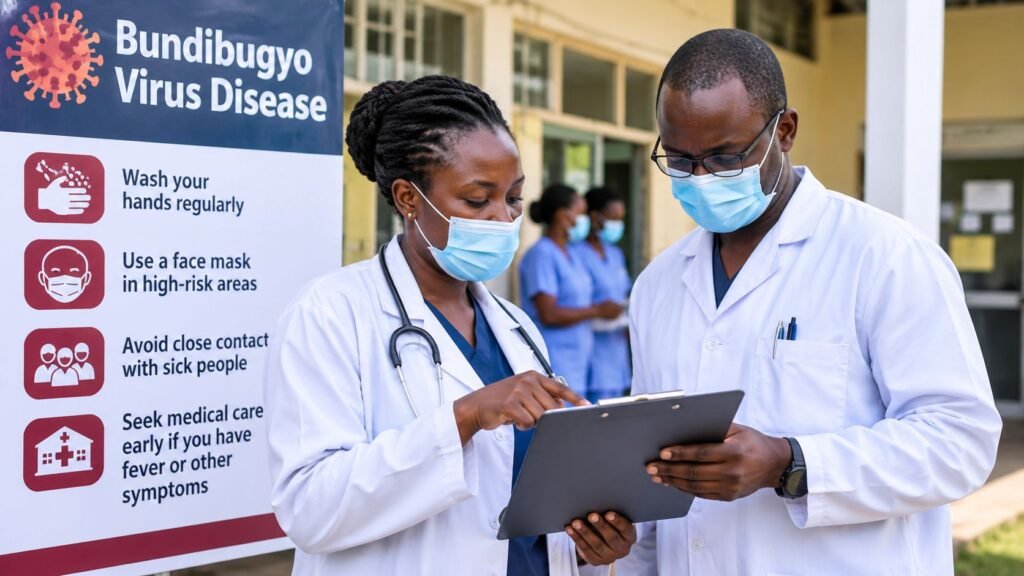
WHO has also advised against travel or trade restrictions on countries affected by the outbreak. Kenya’s Cabinet Secretary for Health said the country remains open to travel, trade and public gatherings, while health authorities continue surveillance and preparedness. Public-health messaging should encourage early reporting of symptoms and cooperation with health teams without stigmatising survivors or people who completed quarantine.
The regional outbreak remains active
Kenya’s progress must be considered alongside the wider Bundibugyo virus outbreak. The European Centre for Disease Prevention and Control reported 11,042 confirmed cases and 5,387 related deaths in the Democratic Republic of the Congo using data through 9 November. Eight provinces have been affected. The figures are subject to ongoing review and should be read with their reporting cut-off date.
Nigeria continues to monitor the consequences of an imported case confirmed on 20 October. Its National Centre for Disease Control and Prevention dashboard listed one confirmed case and no deaths on 11 November. The patient had been medically evacuated to Switzerland. Of 62 identified contacts, 52 had completed their 21-day follow-up and 10 remained under monitoring.
Bundibugyo virus is a distinct Ebola species. ECDC says there is currently no licensed vaccine or specific treatment for this species. Early case recognition, laboratory confirmation, safe isolation, supportive clinical care, infection prevention and trusted community engagement remain central to reducing transmission.
What comes next for Kenya’s health system
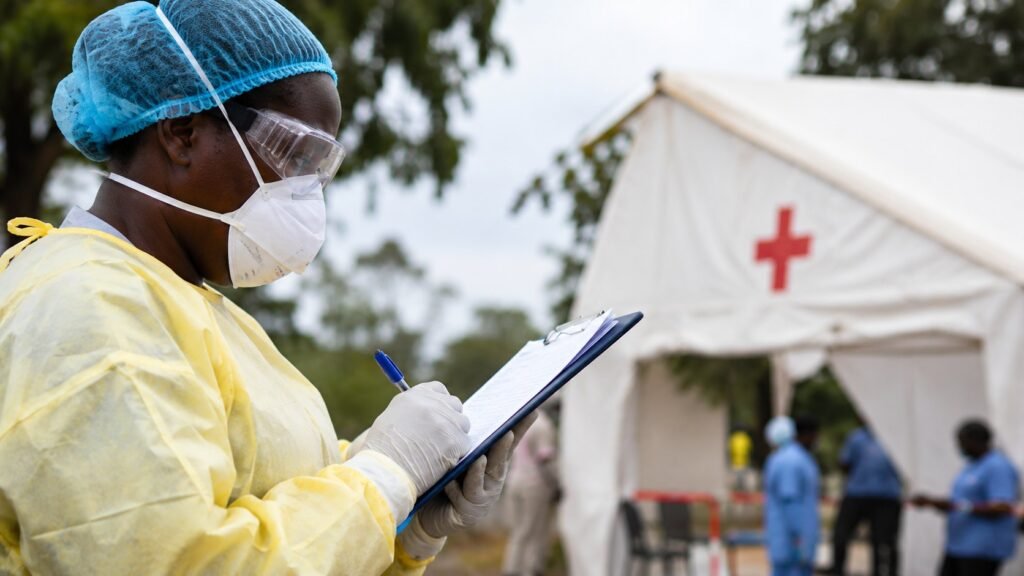
The next test is whether surveillance remains effective throughout the countdown. County rapid-response teams, health facilities, laboratories, border-health services and national coordination structures will need to keep working together. The response also offers lessons for other countries: contact lists must be complete, monitoring needs to be timely, suspected cases must be isolated quickly, and health workers require training and protection when managing unfamiliar or high-consequence infections.
Kenya’s earlier progress was covered in Health Signal Africa’s report on the sixth recovery and the DRC outbreak analysis. The latest discharge changes the status of the Kenyan response, but it does not change the need for regional preparedness while transmission continues elsewhere.
Sources and limitations
This report is based on the WHO Kenya release of 11 November 2026, the ECDC multi-country update of 11 November, the NCDC Nigeria dashboard dated 11 November and reporting by the Associated Press. DRC figures reflect data through 9 November. Kenya’s 23 December date is conditional on no new confirmed case during the 42-day period; it is not a declaration already made.
Discussion