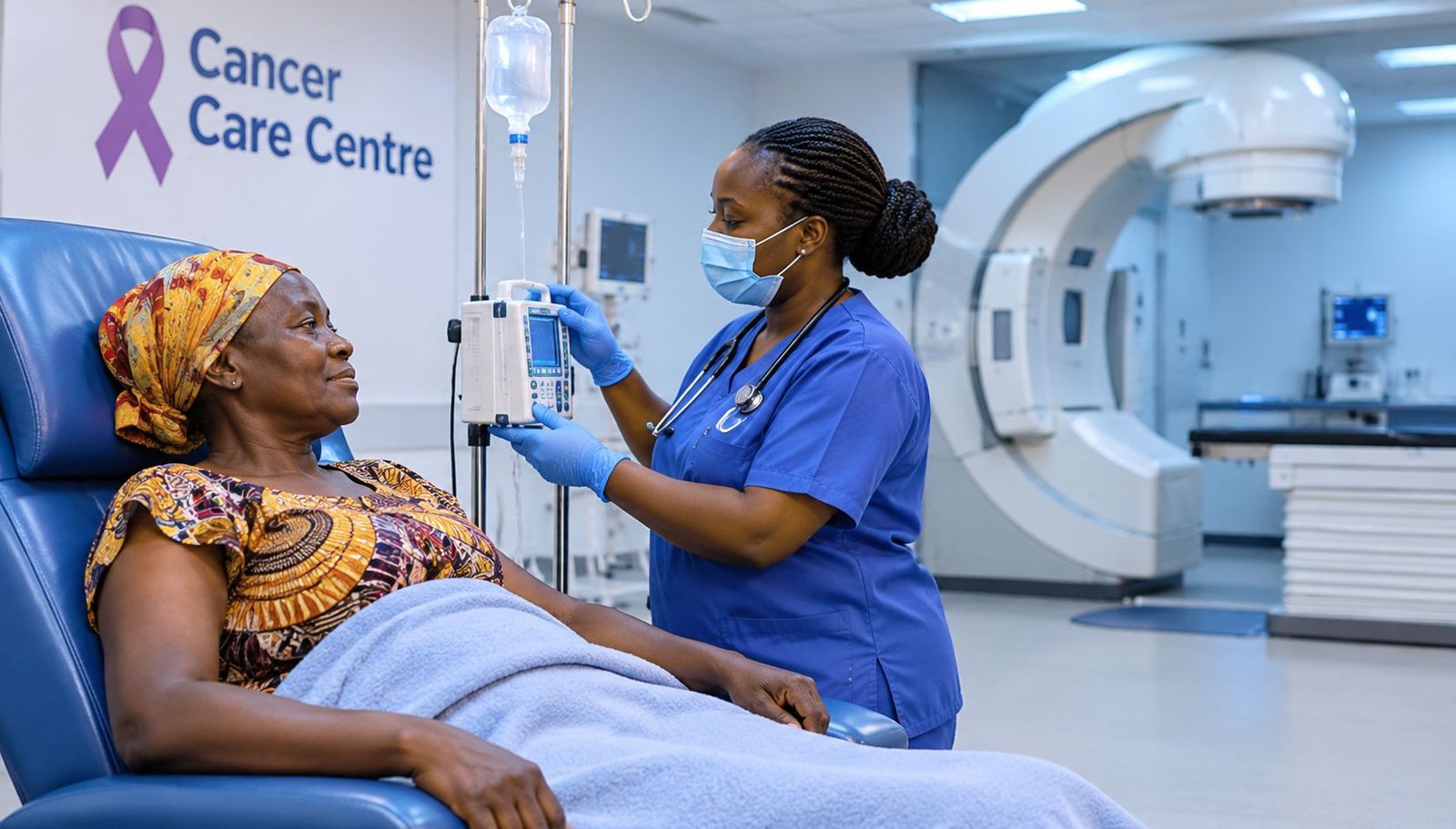
KAMPALA, 6 November 2026 — Uganda’s Parliament has approved a request for the Government to borrow up to €31.98 million from France to build and equip a 138-bed regional cancer centre in Mbarara, a project intended to bring specialist oncology services closer to patients outside Kampala.
The Uganda Cancer Institute’s Mbarara Regional Oncology Centre is planned for an 8.5-acre site at the Kihumuro campus of Mbarara University of Science and Technology. The loan will finance about 95 per cent of the project’s estimated €33.58 million cost, with the Government of Uganda expected to contribute €1.6 million.
Presenting the loan request, Finance Minister Henry Musasizi cited 35,968 new cancer cases and 24,629 cancer-related deaths reported annually in Uganda. He said specialist cancer services remain concentrated in Kampala, making diagnosis and treatment difficult and costly for patients travelling from other parts of the country.
The parliamentary record says the first phase is expected to provide chemotherapy, cancer surgery and diagnostic services. The planned centre includes three operating theatres, intensive and high-dependency care beds, and imaging equipment for CT and MRI scans, mammography, ultrasound and X-rays. The project also provides for two ambulances and specialist training in collaboration with France’s Gustave Roussy Institute.
Radiotherapy remains a major question for the first phase
Although Parliament approved the borrowing, the Committee on National Economy raised concerns about the services that will be available when the centre first opens. Its report said radiotherapy had been left out of the phase-one designs and civil works, despite the committee’s statement that about 60 per cent of cancer patients require radiation treatment.
Minister of State for Primary Health Care Dr Charles Ayume told Parliament that the loan could not finance every component of the centre. He said the Government would begin with core services, including chemotherapy, surgical oncology and pathology. Radiotherapy is therefore a future delivery issue, not a service that the approved loan has confirmed will be available at opening.
The committee also highlighted capacity problems at the existing Mbarara cancer service. Citing an Auditor General’s finding, it reported that only 11 of 259 approved positions were filled. It further referred to an estimated Shs83.5 billion funding gap across the Uganda Cancer Institute for cancer medicines and laboratory supplies. These figures relate to existing institutional capacity and should not be confused with the cost of the new construction project.
Construction alone will not guarantee access to cancer care
Regional oncology centres can reduce the financial and practical burden of travelling to Kampala for consultations, investigations and treatment. For patients who need repeated chemotherapy appointments or surgery, distance can affect whether care is started and completed. A regional facility may also ease pressure on the Uganda Cancer Institute in Mulago, provided it has the staff, medicines, diagnostics and referral systems needed to operate safely.
The parliamentary committee therefore asked the Government to address recruitment and the availability of cancer medicines, and to provide its contribution to the project. It also called for a performance assessment of the French contractor, longer equipment warranties and quarterly reports to Parliament on construction progress, expenditure and delays.
Its recommendations included support for mobile cancer screening, HPV vaccination and community education. These measures could help patients reach diagnostic services earlier and reduce the number who first present when disease is advanced. The committee also suggested that future expansion should consider accommodation for patients and caregivers who must remain near the centre during prolonged treatment.
The parliamentary approval is an important financing step, but it is not evidence that construction has begun or that the centre is operational. The next measures to watch are the loan agreement and procurement process, the project timetable, staffing allocations, medicine budgets and a clear plan for radiotherapy. Without these elements, the new building could open with a narrower service range than patients need.