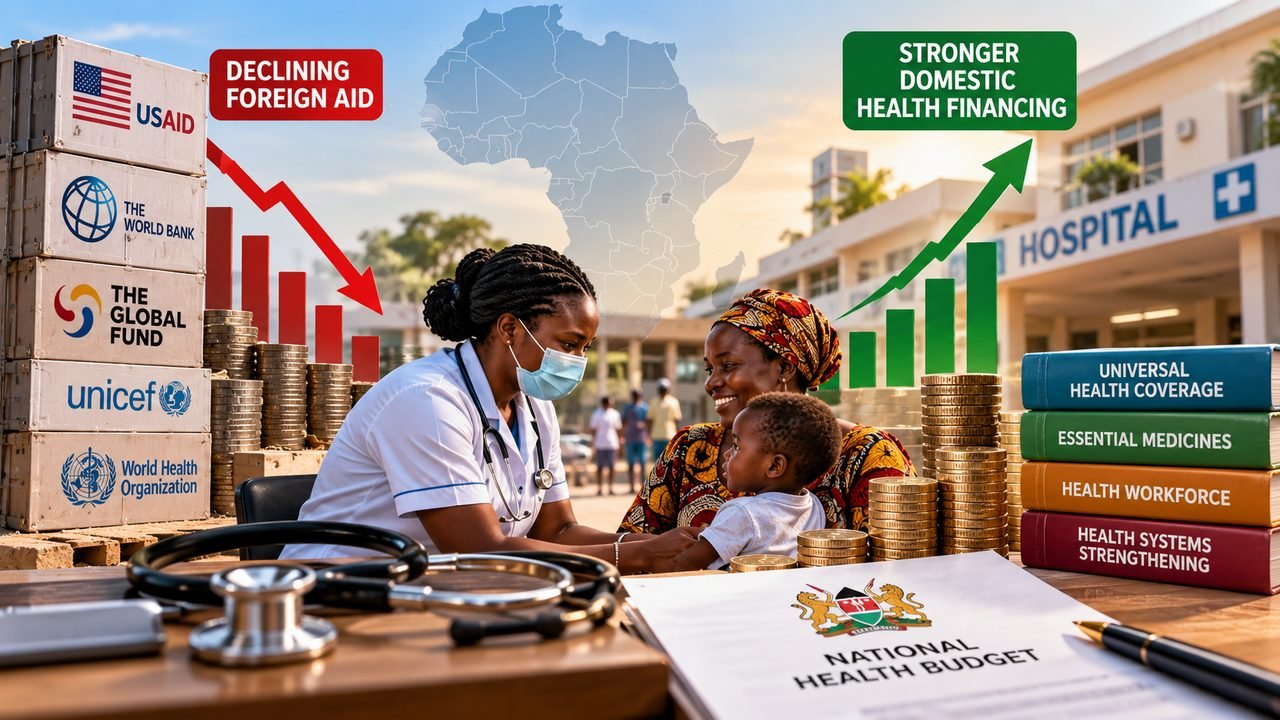
Malawi has prepared a US$437.9 million funding request to the Global Fund for HIV, tuberculosis (TB), malaria and health systems programmes covering July 2027 to June 2030. The proposal is intended to sustain essential disease services while strengthening the systems that make prevention, diagnosis and treatment possible. The World Health Organization says it supported the development of the request through technical expertise, evidence review and support to the national writing process.
How the request is allocated
The proposed allocation includes US$339.6 million for HIV, US$16.1 million for tuberculosis and US$82.2 million for malaria. Together, the three components total US$437.9 million. The request also proposes dedicating 10% of each disease component to resilient and sustainable health systems strengthening. The amounts describe what Malawi is seeking through the funding request; they should not be presented as money already approved, transferred to government accounts or made available to health facilities.
The distribution reflects the scale of the country’s HIV programme within the proposed request, alongside continued investment in TB and malaria. Each programme depends on a chain of services that extends beyond medicines. HIV services require testing, treatment monitoring, prevention and long-term patient support. TB programmes need diagnostic networks, treatment continuity, contact investigation and community engagement. Malaria control depends on prevention, timely diagnosis, effective treatment, surveillance and reliable commodity supply. Disruptions in any of these areas can weaken programme performance.
Why health systems strengthening matters
The proposal’s plan to dedicate 10% of each disease component to resilient and sustainable health systems strengthening is intended to recognise the shared infrastructure that supports multiple programmes. Laboratories, supply chains, trained health workers, health information systems, surveillance and community delivery platforms are not used by only one disease programme. Investment in these functions can help improve the quality and continuity of services across the health sector, provided resources are coordinated and directed towards clearly identified gaps.
The practical effect will depend on how the proposed allocation is translated into priorities and budgets. A percentage commitment alone does not guarantee stronger systems. Governments and partners will need to specify which capabilities require investment, how resources will be managed, and how progress will be measured. For example, strengthening laboratory systems may require equipment, reagents, maintenance, quality assurance and trained personnel. Supply-chain improvements may require better forecasting, storage, distribution and stock monitoring. These are recurring functions that need sustained support.
National leadership and technical review
WHO reports that the request was developed by a government-led national team working with the Ministry of Health, the Country Coordinating Mechanism, disease programmes, civil society and development partners. WHO supported the evidence base, technical drafting and review of the proposal, including the use of epidemiological and programme evidence. The organisation also facilitated mock Technical Review Panel exercises that brought together national and international experts to assess the proposal from programmatic, financial, strategic and implementation perspectives.
These mock reviews are intended to identify gaps before a funding request is considered through the formal Global Fund process. They can help countries test whether proposed interventions are supported by evidence, whether priorities are realistic, whether budgets are justified and whether implementation arrangements are sufficiently clear. The process also provides an opportunity to align disease-specific plans with broader national health priorities. Civil society participation is important because community organisations can identify barriers that may not be visible in national programme data alone.
The request still needs approval
A key distinction for readers is that US$437.9 million is the amount Malawi is seeking, not a confirmed grant award. The Global Fund must review the request and proceed through its grant-making process before final allocations and agreements are established. The final amount, the activities supported and the timing of disbursements may differ from the request. Health facilities and communities should not assume that the full amount is already available or that every proposed activity will automatically be funded.
If approved and effectively implemented, the proposed investment could help sustain HIV, TB and malaria services while strengthening shared systems over the 2027–2030 period. The next issues to watch are the Global Fund’s decision, the final grant amounts, the share allocated to health systems strengthening and the extent to which community priorities are reflected in implementation. Malawi’s request illustrates the importance of national leadership and strong evidence in financing negotiations. Its ultimate value will be measured by whether resources reach programmes and patients, improve service continuity and strengthen the health system beyond the life of a single grant.
Discussion