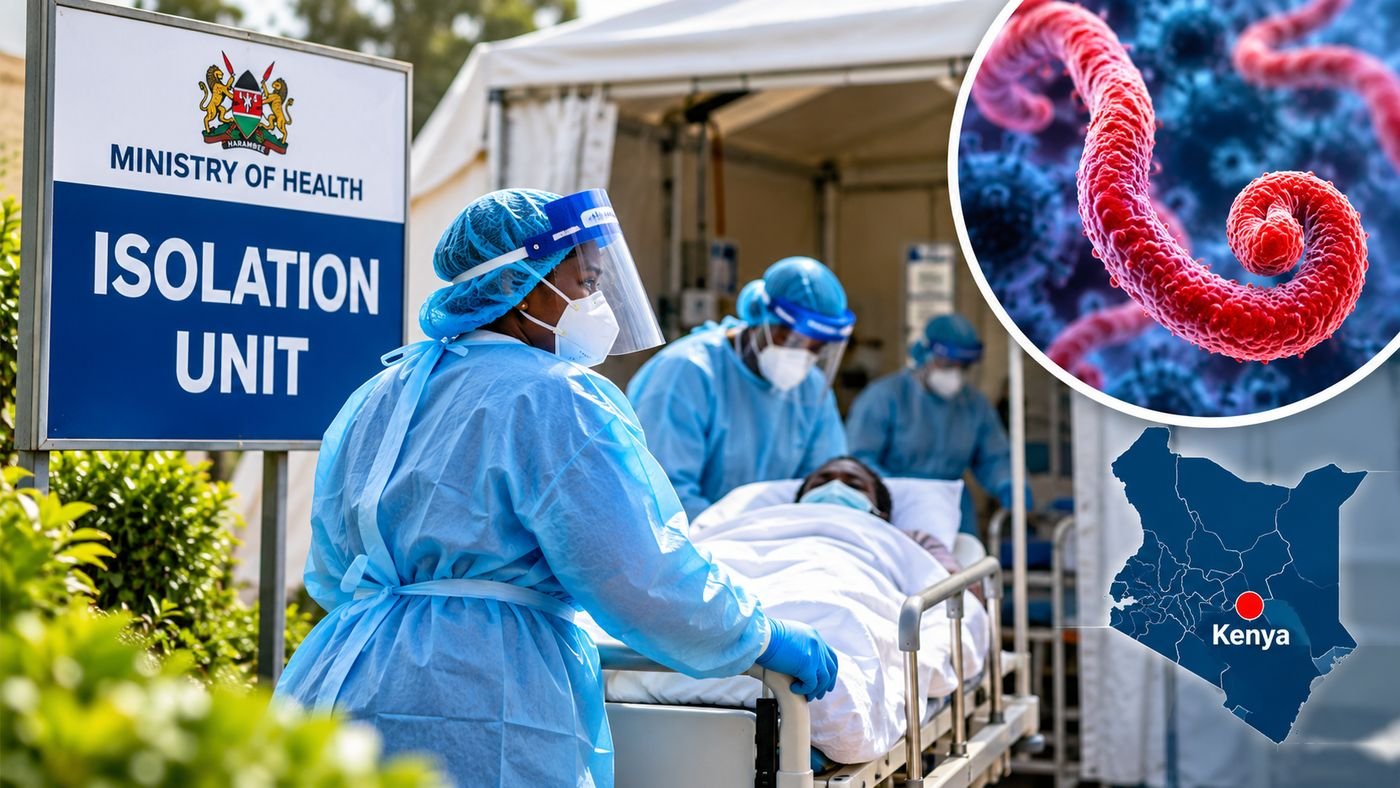
Kenya has recorded its second death from Bundibugyo virus disease, an Ebola-related illness, after a 65-year-old woman died while receiving treatment in an isolation facility. The Ministry of Health announced the death on Friday, 23 October 2026, bringing the country’s reported toll to two fatalities among nine confirmed cases.
The woman was a close family member and direct contact of Kenya’s first confirmed patient, who died on 5 October after arriving from the Democratic Republic of the Congo (DRC) through Uganda.
According to the Ministry of Health, the woman was already under quarantine when she developed symptoms on 13 October. She was admitted to an infectious disease unit the same day and received supportive care before succumbing to the infection.
The ministry said the remaining seven confirmed patients were receiving treatment at two isolation facilities. Authorities also confirmed that all identified cases remained linked to a single cluster of known contacts, with no evidence of community transmission reported in the latest statement.
Contact tracing and isolation remain central to the response
The second death highlights the continuing challenges facing Kenya’s response to the outbreak, particularly the need to identify infections early, monitor exposed individuals and prevent further transmission.
The woman developed symptoms while under quarantine, demonstrating the importance of continued monitoring throughout the recommended observation period. Ebola symptoms can emerge several days after exposure, making contact tracing and daily health checks essential components of outbreak control.
The Ministry of Health has been coordinating case management, contact tracing and infection prevention measures with support from international public health partners.
In its outbreak update covering information available through 20 October, the World Health Organization (WHO) reported that all eight secondary cases identified in Kenya were epidemiologically linked to the imported first case. The contacts included family members and healthcare workers.
WHO reported that 135 contacts had been traced and quarantined as of 20 October. These figures predate the announcement of the second death and should be distinguished from subsequent developments.
Authorities urge caution and safe handling of suspected cases
Following the death, the Ministry of Health urged the public to observe preventive measures and avoid contact with the blood and body fluids of people who may be infected.
The ministry also warned against touching or handling the bodies of people who have died from suspected illnesses. Bodies of people who die from Ebola can remain infectious, making safe and dignified burial procedures an important part of protecting families and communities.
Authorities said they were working with the deceased woman’s family to arrange a safe and dignified burial in accordance with public health protocols, while respecting the family’s wishes and beliefs.
People experiencing symptoms such as fever, weakness, muscle pain, vomiting, diarrhoea or unexplained bleeding have been advised to seek medical attention immediately and inform healthcare providers of any possible exposure to Ebola.
Anyone who suspects exposure should contact health authorities rather than attempting to manage potentially serious symptoms at home.
What is Bundibugyo virus disease?
Bundibugyo virus disease is caused by Bundibugyo virus, one of the viruses responsible for Ebola disease. It can cause severe illness and death, and transmission can occur through direct contact with the blood or other bodily fluids of an infected person, contaminated materials or the body of someone who has died from the disease.
There is currently no approved vaccine or specific antiviral treatment established for Bundibugyo virus disease. Patient care relies on supportive treatment, including fluid and electrolyte management, monitoring of complications and treatment of other medical needs.
Early recognition, prompt isolation and appropriate supportive care are important for improving outcomes and reducing the risk of further transmission.
A regional outbreak requires cross-border coordination
Kenya’s outbreak is linked to the wider Ebola outbreak in the DRC, which has also prompted public health responses in neighbouring and other affected countries.
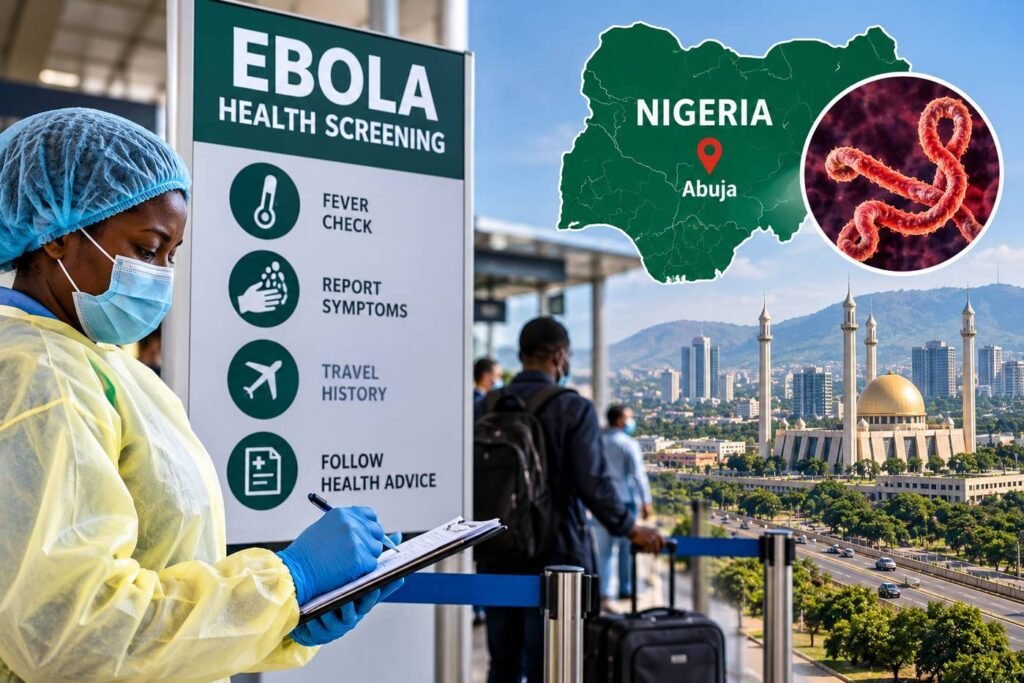
On 20 October, Nigeria reported a confirmed imported case of Bundibugyo virus disease, adding to regional concerns about cross-border transmission. WHO has called for stronger surveillance, laboratory diagnostic capacity, rapid response readiness and coordination among affected countries.
For Kenya, maintaining communication with Uganda and the DRC remains important for tracing movements, investigating possible exposures and sharing information that can support early detection.
The developments also highlight the importance of protecting healthcare workers, ensuring adequate infection prevention supplies and maintaining public trust in the response.
What happens next?
Health authorities are expected to continue monitoring contacts, managing confirmed patients and investigating potential exposures. The next critical indicators will include whether additional infections are detected, whether patients recover and whether surveillance identifies any transmission beyond the existing cluster.
For now, the Ministry of Health has reported no evidence of community transmission. That finding is important, but it does not remove the need for vigilance while patients remain under care and contacts complete monitoring.
The second death is a reminder of the seriousness of Bundibugyo virus disease. Effective outbreak control will depend on early reporting, coordinated public health action, safe clinical care and cooperation between communities and health authorities.
Discussion