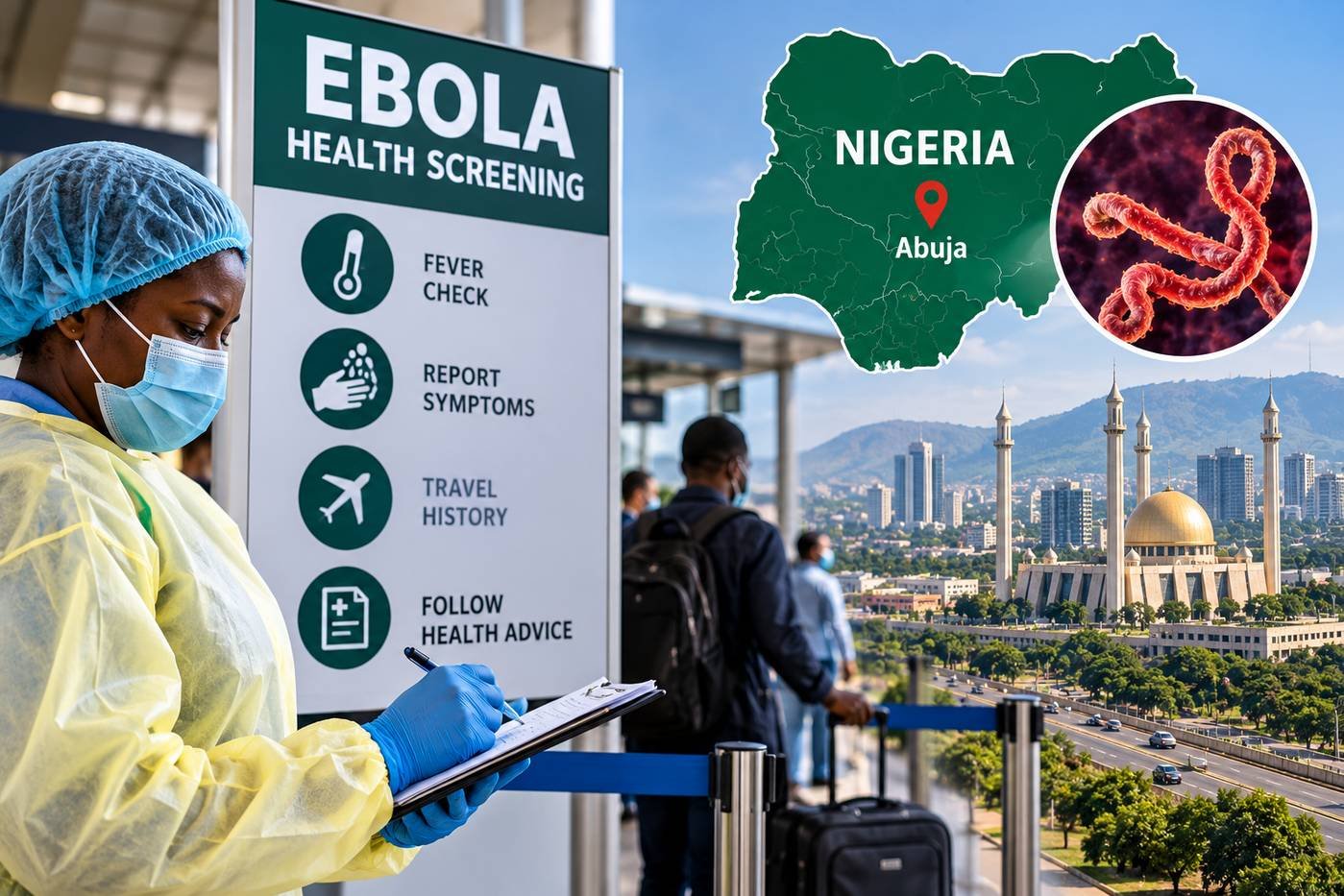
Nigeria has confirmed its first case of Bundibugyo Ebola virus disease linked to the ongoing outbreak in Central Africa, prompting an emergency public health response in the capital, Abuja.
The Federal Ministry of Health and Social Welfare announced the laboratory-confirmed case on October 20, 2026. The patient is a woman who recently travelled internationally and is receiving medical care in isolation at a private health facility in the Federal Capital Territory (FCT).
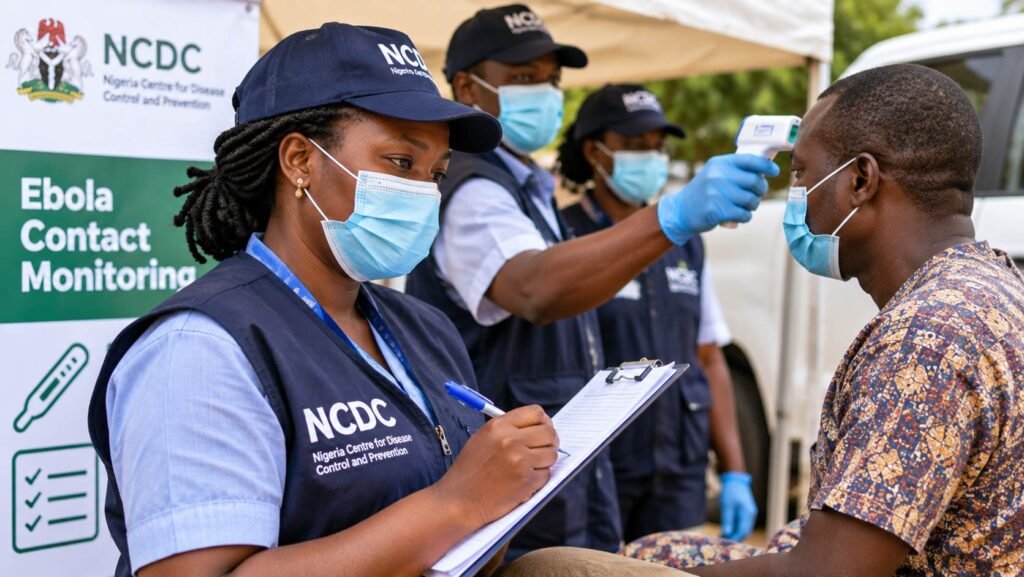
Health authorities have identified 44 close contacts and begun monitoring them for possible symptoms. Investigations are continuing to establish where the woman was exposed to the virus and reconstruct her travel and contact history.
The World Health Organization (WHO) confirmed that Nigeria is the fifth country to detect the virus since the outbreak was declared in the Democratic Republic of the Congo (DRC) on May 15, 2026.
How was the case detected?
According to WHO, the patient’s symptoms began on October 7, four days after her arrival in Nigeria. She sought treatment at a private health facility in Abuja on October 11, and laboratory testing confirmed Bundibugyo virus infection on October 20.
Initial reports described her as having travelled from Uganda. However, Uganda’s health authorities said she had transited through the country after travelling to eastern DRC on a business trip. The precise location where she contracted the virus remains under investigation.
The distinction is important: travel through a country does not, by itself, establish where an infection occurred.
Nigeria’s authorities have commenced contact tracing, intensified surveillance and supported the hospital to strengthen infection prevention and control measures. Contacts include healthcare workers, patients, caregivers and travel contacts who may have been exposed.
Why is this development significant?
Nigeria is Africa’s most populous country and an important regional transport and commercial hub. Confirmation of an imported Ebola case raises the need for rapid identification of exposed people, early diagnosis and coordinated public health action.
The case also illustrates how international travel and population movement can connect outbreaks across national borders. The current outbreak has affected the DRC and has been associated with cases detected in other countries, including Kenya. Nigeria had previously strengthened its preparedness after Kenya reported an imported case earlier in October.
The Nigerian government and the Nigeria Centre for Disease Control and Prevention (NCDC) are working with health authorities in the FCT and other partners to prevent further transmission.
Authorities have urged public and private healthcare facilities to remain vigilant, promptly identify and isolate suspected cases, observe strict infection prevention and control procedures, and report suspected infections to public health officials without delay.
What is known about Bundibugyo Ebola?
Bundibugyo virus is a species of Ebola virus that can cause severe illness. Symptoms may include fever, fatigue, muscle pain, headache and sore throat, followed in some cases by vomiting, diarrhoea, rash and bleeding.
Symptoms can initially resemble other common infections, making early recognition and a detailed travel and exposure history important during an outbreak.
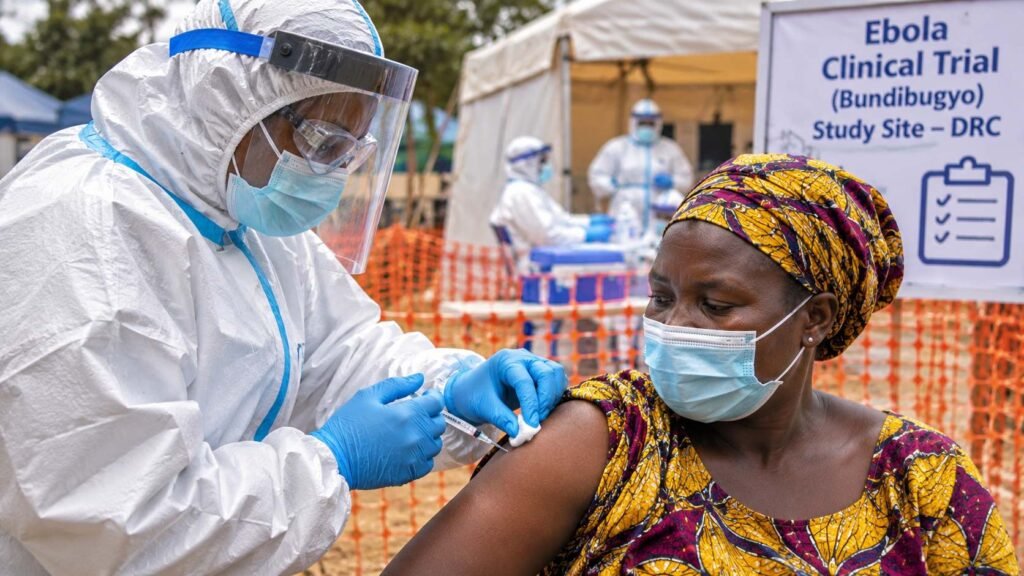
There is currently no licensed vaccine or specific approved treatment for Bundibugyo virus disease. Care focuses on supportive treatment, including fluid management and treatment of complications, alongside isolation and infection prevention measures. WHO says research into potential candidate vaccines and treatments is ongoing.
What should the public do?
Health authorities are urging healthcare providers to maintain a high level of suspicion and follow established reporting and infection prevention protocols.
People who may have been exposed to a confirmed case should follow instructions from public health teams and seek prompt medical advice if they develop symptoms. Anyone concerned about possible exposure should contact health authorities rather than attempting to manage a suspected infection without professional guidance.
The public should rely on official updates from Nigeria’s Ministry of Health, NCDC and WHO, and avoid spreading unverified claims about suspected cases or the patient’s movements.
What happens next?
The immediate priority is to monitor the 44 identified contacts, establish whether any additional people were exposed, and determine the likely source of infection. Authorities will also need to ensure that healthcare workers are protected and that any suspected cases are detected, tested and isolated quickly.
The coming days will be important in determining whether the infection remains an isolated imported case or whether additional linked cases emerge. Identifying contacts early and maintaining public trust will be central to Nigeria’s efforts to contain the infection.
Discussion