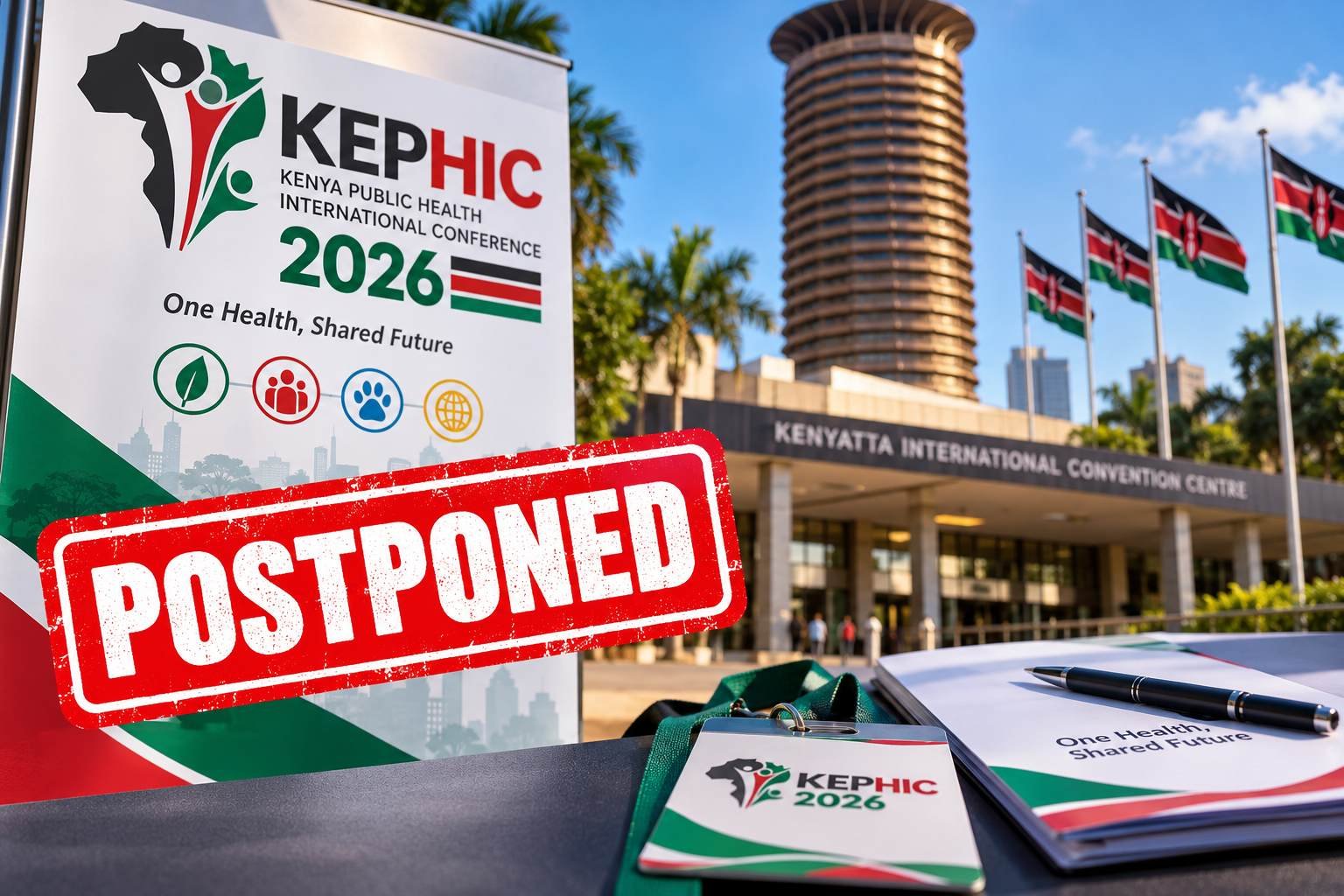
Kenya’s Ministry of Health has postponed the Kenya Public Health International Conference (KEPHIC) 2026 as the country intensifies its response to the ongoing Ebola situation. The conference, which was scheduled for October 27–29 at the Kenyatta International Convention Centre (KICC) in Nairobi, will be rescheduled, with new dates yet to be announced.
According to the official KEPHIC 2026 website, the decision was made in view of the ongoing national Ebola response. The organisers say updated dates will be communicated once confirmed.
The postponement comes as health authorities strengthen disease surveillance, contact tracing and other public health measures following the confirmation of Ebola cases in Kenya.
Why the postponement matters
Large conferences bring together delegates from different counties and countries, making health risk assessment, infection prevention and emergency preparedness important considerations for organisers.
Postponing a major public health gathering during an evolving outbreak may provide organisers and authorities with additional time to assess risks and coordinate with health agencies. However, the reported postponement should not be interpreted as evidence that Ebola is spreading widely in Nairobi or that all public gatherings are unsafe.
The decision also has practical implications for delegates, exhibitors, sponsors, researchers and institutions that have invested in conference participation. Clear communication about revised dates, registration arrangements, travel bookings and abstract submissions will be essential.
For Kenya’s public health community, the situation reinforces the importance of balancing continuity of professional engagement with preparedness for emerging health threats.
What happens to registrations, exhibitions and accepted abstracts?
The conference secretariat has advised registered delegates, exhibitors, sponsors and researchers whose abstracts have been accepted that no immediate action is required. Organisers say affected participants will be contacted directly with further information.
Participants should monitor the official conference website and communications from the secretariat for guidance on registration, exhibition arrangements, sponsorship commitments and presentation schedules.
As of October 20, 2026, the conference website does not provide a new date for the event.
Why was KEPHIC 2026 postponed?
The Ministry of Health cited the ongoing Ebola response as the reason for postponing the conference. Kenya has been strengthening its response following the confirmation of Bundibugyo Ebola virus disease cases, including cases linked to the country’s initial patient.
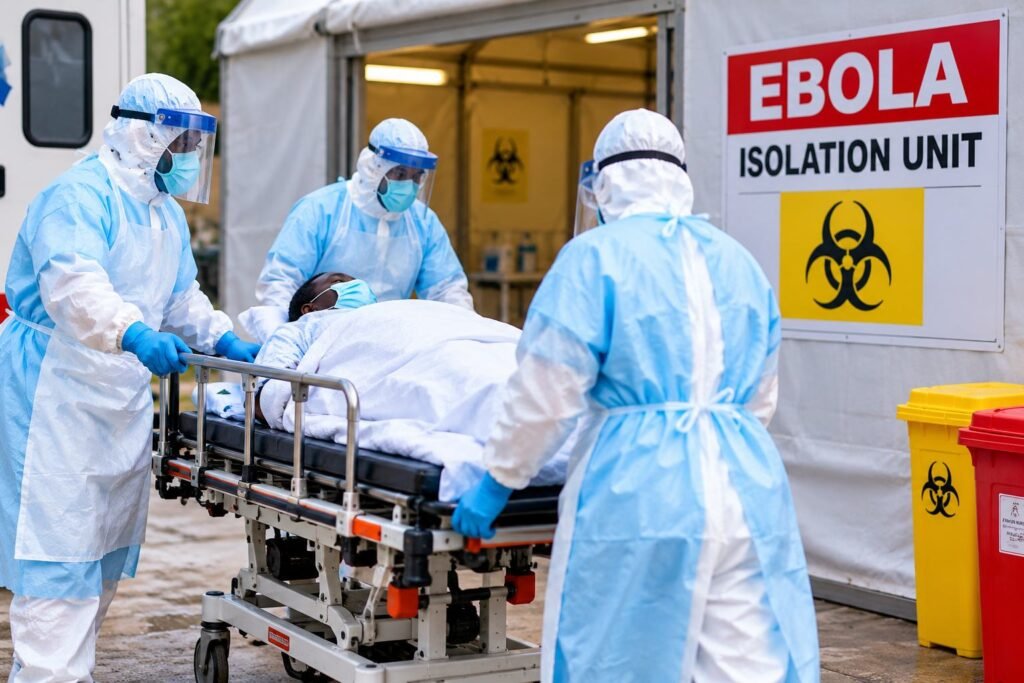
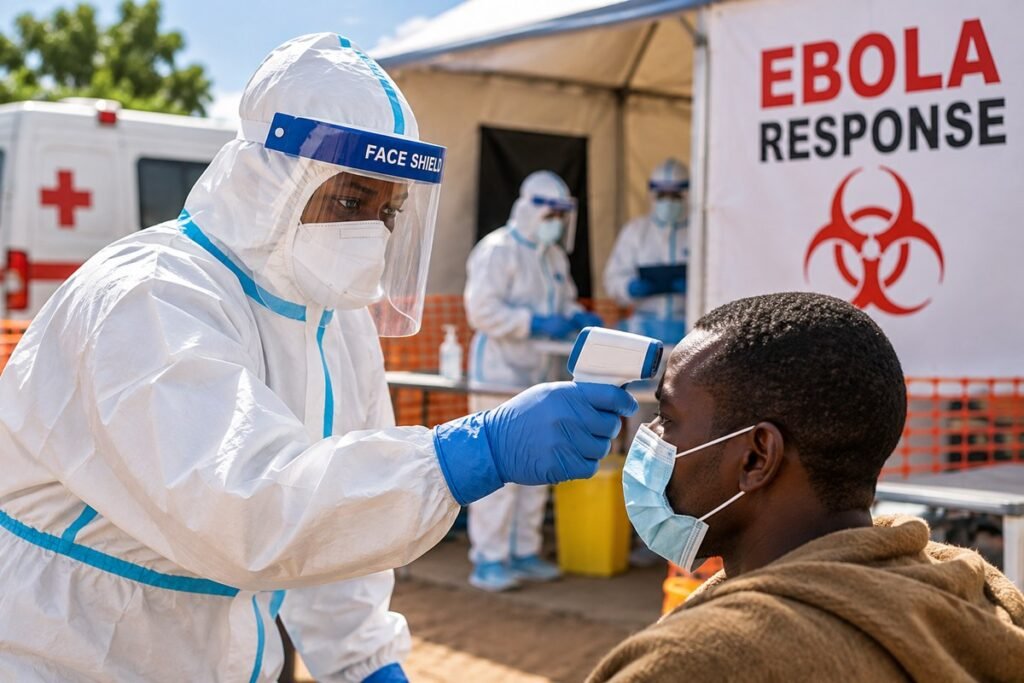
The public health response has involved contact tracing, isolation and clinical care for confirmed cases, laboratory testing and measures to reduce the risk of further transmission. These activities require coordination and attention from health authorities and response teams.
The postponement should not be interpreted as a cancellation of the conference. Instead, the organisers have indicated that the event will be rescheduled.
Why KEPHIC matters
KEPHIC brings together public health professionals, researchers, policymakers, development partners and private-sector stakeholders to exchange evidence, showcase innovations and discuss ways to strengthen health systems.
The 2026 conference was planned around the theme “One Health, Shared Future,” highlighting connections between human, animal and environmental health. Its programme was expected to address issues including primary healthcare, water and sanitation, climate change, disease prevention, surveillance, health financing and digital transformation.
The rescheduling will affect the timing of these discussions, but the conference remains an important platform for collaboration on Kenya’s and the region’s public health priorities.


Discussion