GENEVA, 6 November 2026 — Progress against neglected tropical diseases (NTDs) is continuing in many countries, but the World Health Organization (WHO) says funding shortages, incomplete surveillance and weak integration into routine health services could undermine efforts to reach the 2030 targets.
The WHO Global Report on Neglected Tropical Diseases 2026, released on 4 November, is a midterm assessment of the 2021–2030 NTD road map. It reports that 63 countries had eliminated at least one NTD by June 2026, compared with 42 at the end of 2020. The number of people requiring NTD interventions fell to 1.41 billion in 2024, a 36 per cent reduction from 2010 and a 19 per cent decline from 2020.
The global gains include a 98 per cent reduction in reported sleeping sickness cases since 1999 and only 10 human cases of Guinea worm disease in 2025. New tools are also becoming available, including a child-friendly praziquantel formulation for schistosomiasis, generic miltefosine for leishmaniasis and a dengue vaccine. WHO says two chikungunya vaccines and new medicines for onchocerciasis and human African trypanosomiasis have also received regulatory approval.
Africa has made elimination gains but still carries a major burden
The WHO African Region accounts for more than one third of the global NTD burden. In a regional update, WHO said 22 of the Region’s 47 countries had eliminated at least one NTD by the end of 2025. Ten countries had eliminated more than one disease. Niger’s verification for eliminating onchocerciasis was a notable regional milestone, while Kenya has previously been validated for eliminating sleeping sickness as a public-health problem.
These achievements show that sustained surveillance, preventive treatment, community engagement and coordinated national programmes can reduce diseases that have affected rural and underserved communities for generations. They do not mean that NTDs have disappeared. Countries that achieve elimination still need post-validation surveillance, while communities affected by schistosomiasis, lymphatic filariasis, trachoma, soil-transmitted helminths, leishmaniasis and other conditions require continued access to prevention, diagnosis and treatment.
Funding and service gaps threaten the next stage
WHO warns that resources available for NTD programmes remain about 30 per cent below pre-COVID-19 levels. International development assistance is also concentrated among a small number of donors, leaving programmes exposed when funding priorities change. The agency says reductions have disrupted mass treatment, case management, surveillance and vector control in some settings, while donated medicines risk expiring when delivery programmes are interrupted.
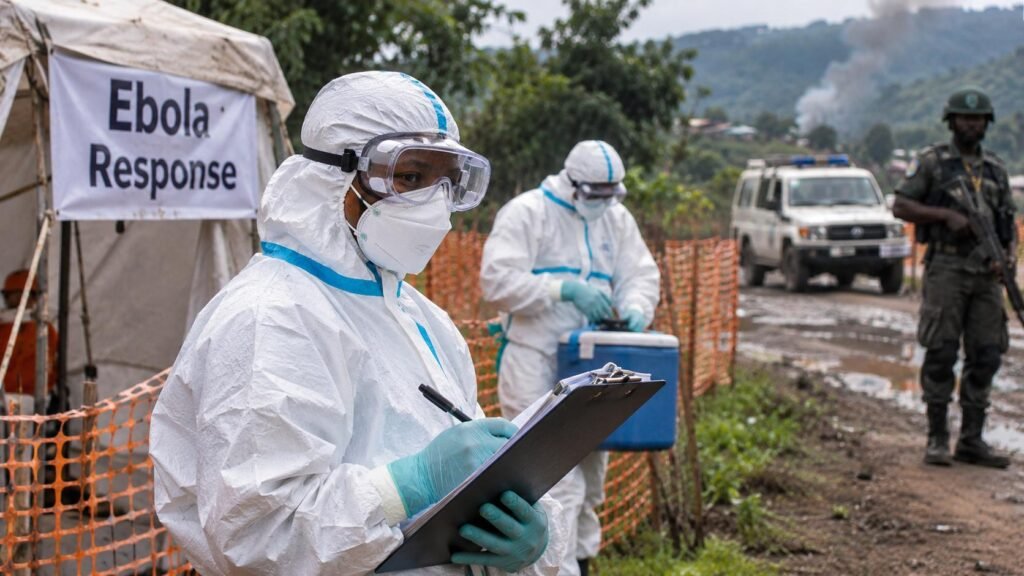
The report identifies other barriers to progress. Many endemic countries do not report complete or timely data for all relevant diseases, and gender-disaggregated information remains limited. Adoption of technical guidelines has often moved faster than implementation. Access to water, sanitation and hygiene services remains inadequate in some endemic communities, while conflict, displacement and climate change make it harder to maintain treatment and surveillance.
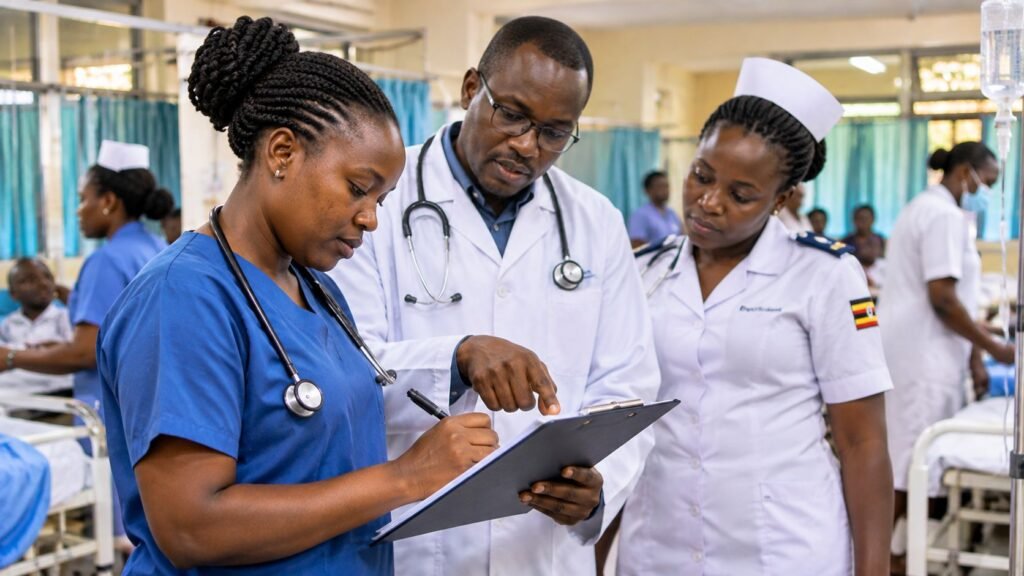
For African health systems, the implications extend beyond disease-specific programmes. NTD services can be delivered alongside school health, immunisation, antenatal care, primary healthcare and community outreach. Integrating them into routine services can reduce duplication and help people receive care closer to home. But integration requires trained health workers, reliable diagnostics, medicines, referral systems and predictable budgets.
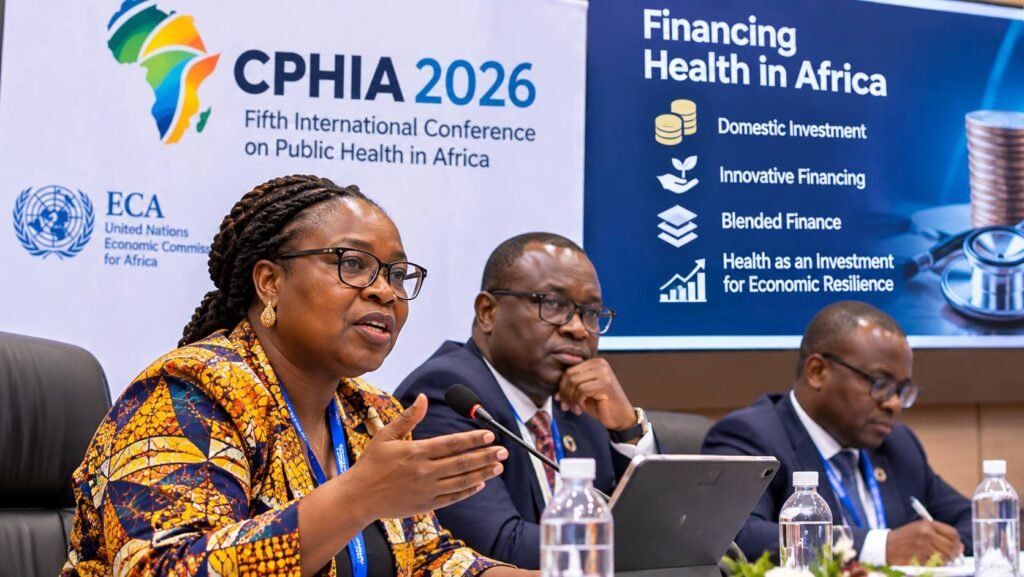
WHO is calling on affected countries to institutionalise domestic financing while sustaining external support, and to make NTD prevention and care part of universal health coverage. Donors are being urged to broaden support across disease areas, while recipient countries are encouraged to diversify funding sources. These steps are important because a programme that depends on a single funding stream can lose years of progress when that support is withdrawn.
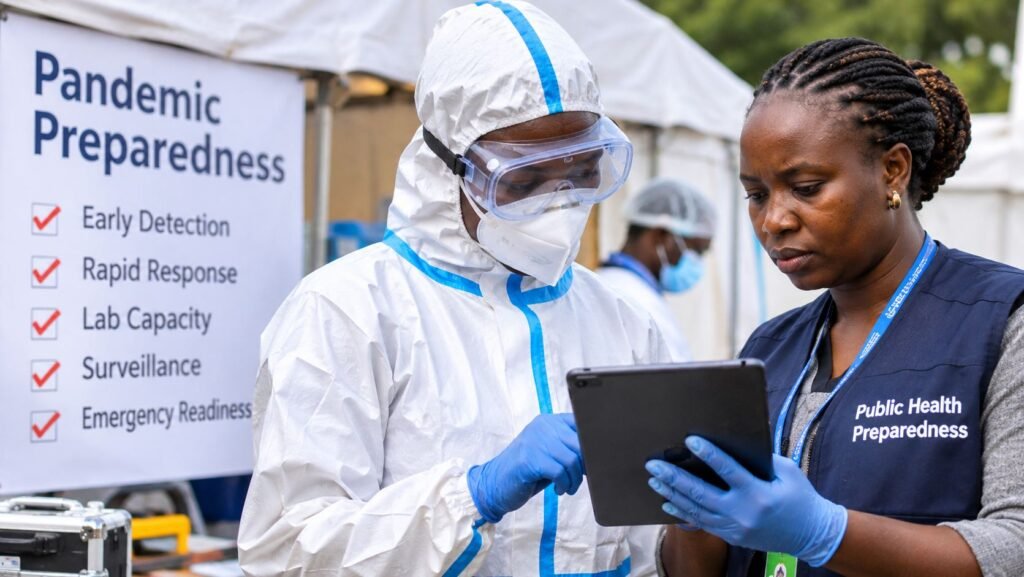
With five years remaining before the 2030 deadline, the central challenge is to convert elimination milestones into durable national services. That means protecting surveillance after diseases are eliminated, reaching populations that are still missed, and ensuring that new medicines and diagnostics move from approval or prequalification into dependable supply and actual use.
Sources and further reading
- WHO — Progress against neglected tropical diseases requires sustained action (4 November 2026)
- WHO — Global report on neglected tropical diseases 2026: mid-term evaluation of the road map implementation (4 November 2026)
- WHO Regional Office for Africa — Neglected tropical diseases in the African Region: key facts and elimination progress (2026)
- WHO Regional Office for Africa — Regional progress and priorities on neglected tropical diseases
- WHO — Niger becomes the first country in the African Region to eliminate onchocerciasis (30 January 2025)
- WHO — Kenya achieves elimination of sleeping sickness as a public-health problem (8 August 2025)