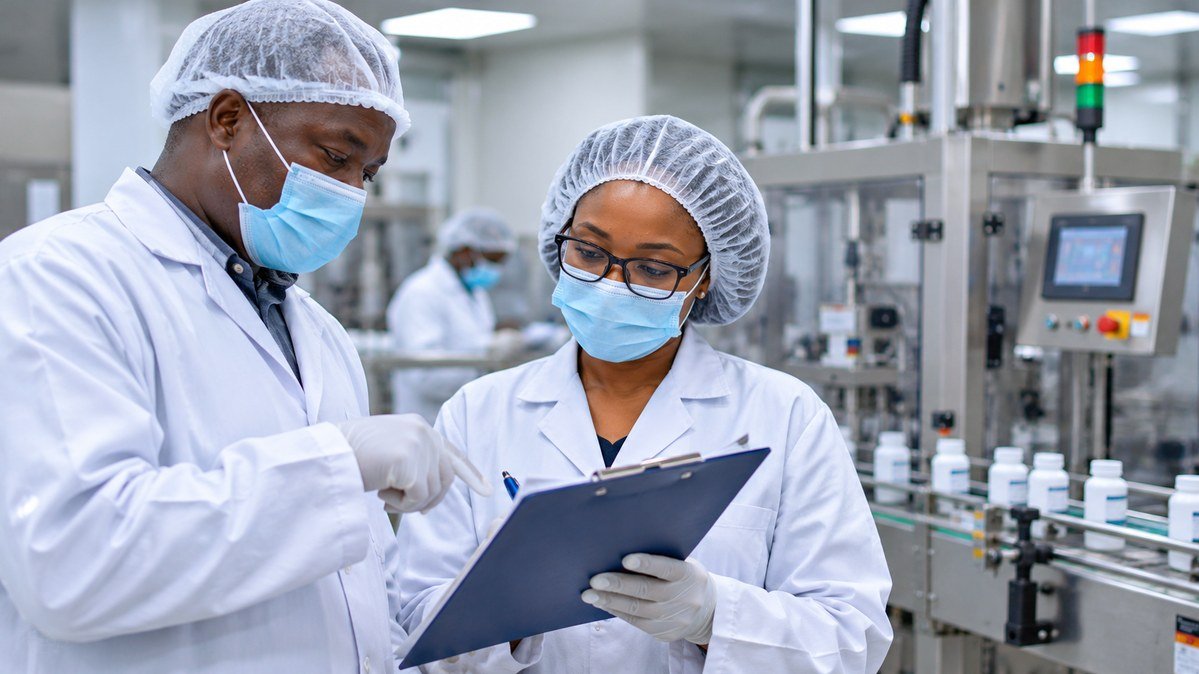
NAIROBI, 5 November 2026 — Kenya’s Ministry of Health and the French Development Agency (AFD) have discussed possible cooperation to strengthen local pharmaceutical manufacturing and expand digital-health innovation, as the government seeks to improve the resilience of medicine supplies and modernise healthcare delivery.
The engagement took place on 3 November at Afya House, where Principal Secretary for Medical Services Dr Ouma Oluga met an AFD delegation led by its Country Director for Kenya, Anne-Gaëlle Chapius. According to the Ministry of Health, discussions covered technical assistance, capacity building and strategic investment to support Kenya’s pharmaceutical industry and improve access to quality health products.
The meeting also considered possible cooperation in digital health and artificial intelligence, including opportunities to improve healthcare delivery and support ongoing sector reforms. The Ministry linked the engagement to preparations for an Extraordinary Summit on Local Manufacturing of Health Products and Technologies, which Kenya intends to host to bring African leaders together around domestic production of medicines, vaccines and other essential health products.
The announcement describes areas explored during a meeting; it does not confirm a signed financing agreement, a new project, an approved investment amount or a delivery timetable. Any future support should be treated as prospective until the parties publish formal terms and implementation details.
Why it matters
Africa’s dependence on imported medicines, vaccines, diagnostics and medical technologies can expose health systems to international price fluctuations, shipping delays and supply disruptions. Expanding reliable local production could strengthen supply resilience, create skilled jobs and improve access to products suited to regional health needs. But manufacturing capacity alone does not guarantee affordability or availability. Producers also need quality-assured inputs, skilled workers, reliable energy, regulatory oversight, access to finance and predictable demand.
Public procurement is especially important. If governments do not forecast demand accurately or pay suppliers on time, manufacturers may struggle to invest in additional production. Local products must also meet quality standards and compete on value rather than receive protection without accountability. A credible partnership should therefore connect investment to measurable improvements in quality, production volumes, supply reliability and patient access.
What happens next?
The next steps to watch are whether Kenya and AFD agree on a formal technical cooperation programme, identify priority products or manufacturing capabilities, define financing terms and publish a timetable. Further details are also needed on which Kenyan institutions, manufacturers and research partners would participate. Until these are announced, the meeting should not be described as a funded manufacturing programme.
What it means for Kenya and the region
For Kenya, stronger domestic production could support the availability of essential medicines and help position the country as a regional supplier. For neighbouring countries, a stronger Kenyan manufacturing base could diversify sources of quality-assured products, provided regulatory requirements and procurement arrangements support cross-border trade. Regional markets may also make production investments more viable than relying on demand from one country alone.
Digital health presents a parallel opportunity. Better-connected systems can support patient records, service planning, supply-chain visibility and more efficient claims administration. Artificial intelligence may assist specific clinical or administrative tasks, but adoption must be guided by evidence, privacy safeguards, interoperability, cybersecurity and clear accountability for decisions. Technology should solve defined service problems rather than become a stand-alone procurement objective.
What solutions are available?
Potential solutions include technical assistance for manufacturing quality systems, workforce development, regulatory strengthening, access to long-term investment, pooled or predictable procurement, research partnerships and digital infrastructure that meets national data-protection standards. A phased approach should identify priority products, assess existing factory capacity, establish quality benchmarks and measure the cost and reliability of locally produced alternatives.
Who is offering them?
The Ministry of Health is leading the government engagement. AFD is the potential development partner discussed in the meeting. The Pharmacy and Poisons Board, Digital Health Agency, manufacturers, universities and research institutions would have relevant roles depending on the projects eventually agreed. Their participation and responsibilities should be confirmed through formal programme documents.
Health Signal Africa will continue tracking: whether a formal agreement is signed, what financing is committed and disbursed, which products or facilities are prioritised, and whether the collaboration produces measurable improvements in medicine availability, quality and digital-health performance.
Sources and further reading
- Kenya Ministry of Health — PS Oluga and AFD discuss local pharmaceutical manufacturing and digital-health collaboration (3 November 2026)
Discussion