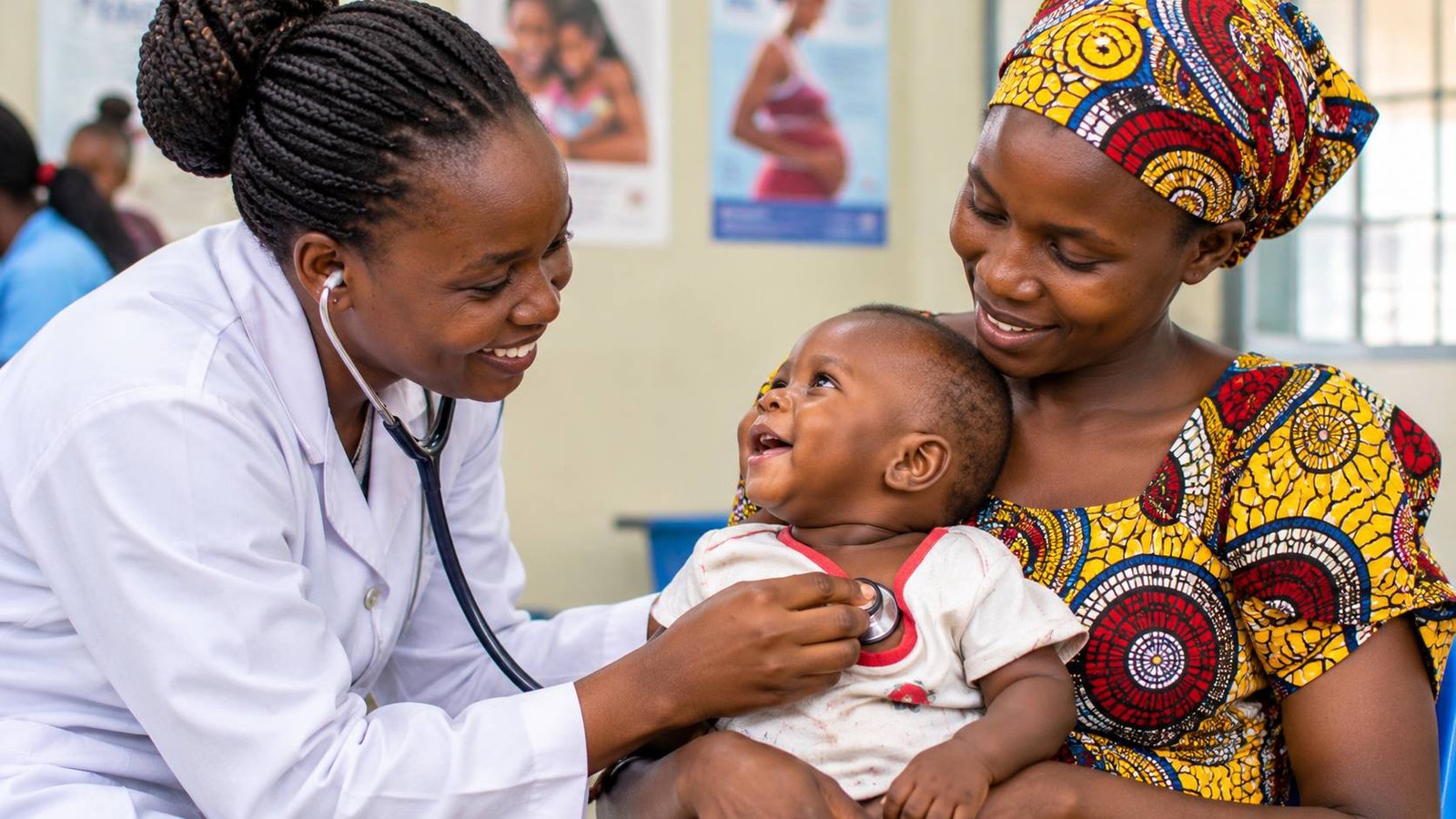
Addis Ababa, Ethiopia — 23 November 2026 — African Union leaders have launched a continental roadmap for reproductive, maternal, newborn, child and adolescent health covering 2026–2030, placing political accountability, domestic financing and delivery of proven interventions at the centre of efforts to reduce preventable deaths.
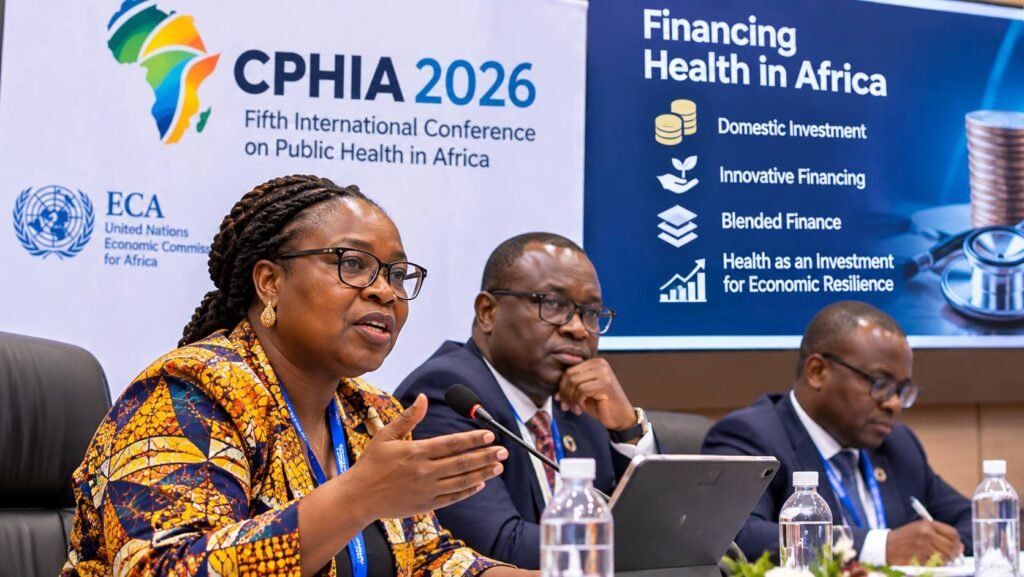
The roadmap was unveiled by Tanzania’s President Samia Suluhu Hassan, the AU Champion for Maternal and Child Health, during the Fifth International Conference on Public Health in Africa (CPHIA 2026) in Addis Ababa. It is intended to accelerate implementation of existing country plans and continental commitments rather than create a parallel health programme.
Three zeros frame the continental ambition
The framework focuses on preventing maternal deaths, preventing newborn deaths and ensuring children are not missed by essential immunisation services. It connects reproductive and adolescent health, nutrition, maternal and newborn survival, child health and immunisation across the continuum of care.
Africa CDC’s roadmap executive summary estimates that the continent accounts for about 70 per cent of global maternal deaths, nearly half of deaths among children under five and stillbirths, and more than half of the world’s zero-dose children. The document argues that many of these outcomes are preventable, but progress remains uneven and too slow to reach the Sustainable Development Goals.
Delivery depends on functioning services
Achieving the goals requires more than policy declarations. Women need timely antenatal care, skilled birth attendance, emergency obstetric services, blood transfusion capacity and functioning referral systems. Newborn survival depends on quality care around birth, access to essential treatment and follow-up. Immunisation programmes must reach children in remote communities, mobile populations and areas affected by conflict or service disruption.
The roadmap calls for evidence-based interventions, strengthened community systems, a competent and retained health workforce, quality care, referral and South–South learning. Member States retain ownership of implementation, with support differentiated according to disease burden, equity, fragility, financing constraints and national readiness.
Financing and accountability are central tests
The roadmap places sustainable financing alongside political leadership and health-system capacity. Governments will need to protect and increase domestic investment, cost national plans and ensure funding reaches frontline services. The challenge is particularly acute as external health assistance changes and governments face competing fiscal pressures.
A seven-indicator Presidential RMNCAH Scorecard is intended to track the Three Zeros, service readiness and domestic financing, supported by a broader continental scorecard and dashboard. Such measures could help leaders identify gaps, but their value will depend on transparent data, regular reporting and corrective action when progress stalls.
What happens next?
The roadmap is a continental framework, while national governments are responsible for translating its priorities into budgets, staffing, procurement, service delivery and monitoring. Africa CDC is to provide technical coordination and country support, the AU Champion’s Secretariat supports advocacy and accountability, and partners are expected to align financing and technical assistance with country priorities.
The central question is whether the roadmap can turn existing commitments into measurable changes in the care women, newborns and children receive. The 2030 goals will be judged not by launch events, but by whether countries finance essential services, strengthen referral systems, reach underserved communities and demonstrate sustained reductions in preventable deaths.
For wider context, read our 24 November Africa Health Briefing.
Sources
- Africa CDC, Continental Roadmap on RMNCAH 2026–2030.
- Africa CDC, CPHIA 2026 conference announcement.
- KBC, AU roadmap launch coverage, 22 November 2026.
- Pulse Uganda, maternal and newborn roadmap launch coverage, 23 November 2026.


Discussion