11 November 2026 — Africa’s health agenda today is being shaped by gaps in health information systems, new investment in infectious-disease research, and national efforts to strengthen prevention and care. From WHO’s assessment of 40 countries to new research projects in sub-Saharan Africa and cancer surveillance in South Sudan, the developments highlight the importance of reliable data, affordable diagnostics and stronger frontline services.
WHO report exposes gaps in health information systems across 40 African countries
Nairobi, Kenya — A new WHO assessment has found that many African countries still lack the systems and skills needed to produce reliable health data and use it to guide decisions. The report, The Maturity and Functionality of Health Information System in the WHO African Region, assessed 40 countries and recorded an overall maturity score of 59 out of 100.
Only 19 of the 40 countries reported notifying authorities of at least 80% of deaths, while 21 reported recording causes of death for at least 80% of registered deaths. At facility level, 43% of countries said they had sufficient capacity to analyse health data, and only 25% reported sufficient capacity to assess data quality. Just 18% had a dedicated budget line for health information systems.
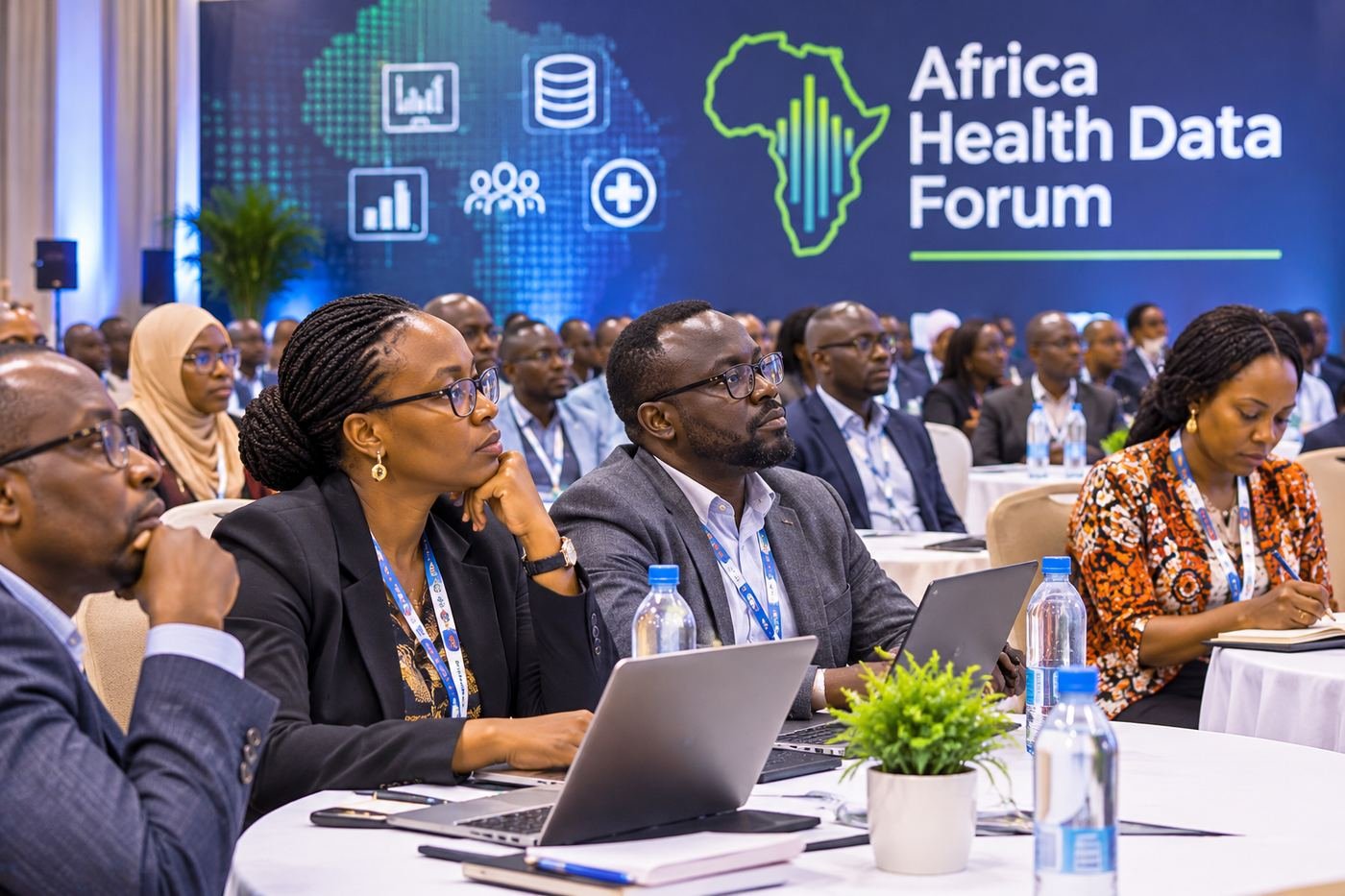
The report was launched as the first Africa Health Data Forum takes place in Nairobi from 10 to 12 November. WHO says the findings point to the need for investment in data governance, trained personnel, interoperable systems and sustainable financing. The Regional Health Data Hub, launched by WHO in August 2026, is one initiative intended to make health information easier to access, analyse and compare.
Why it matters: Incomplete death registration and weak data analysis can hide preventable causes of death, make disease trends harder to detect and weaken decisions about where health workers, medicines and funding are needed.
Source: WHO Regional Office for Africa, 10 November 2026 · Africa Health Data Forum, 10–12 November 2026
More than €9 million backs four new infectious-disease research projects
Brussels / Africa — Four new projects supported by the Global Health EDCTP3 Joint Undertaking are targeting persistent gaps in infectious-disease prevention, diagnosis and treatment in sub-Saharan Africa. The initiatives represent more than €9 million in support and cover drug-resistant tuberculosis, TB recurrence, child-friendly malaria treatment and rapid diagnosis of childhood infections.
One project, PATHFINDER, will develop a portable lab-on-a-chip test that analyses the body’s response to infection to help identify the likely cause of fever in children. The project aims to provide a probable diagnosis within 20 minutes and plans to test the technology in 1,000 children in Burkina Faso and Ghana. Its purpose includes helping clinicians make more targeted treatment decisions and reducing unnecessary antibiotic use.
These are research and development projects, not approved or proven interventions ready for routine use. Their value will depend on whether trials demonstrate diagnostic performance, safety, affordability and usefulness in real clinical settings. The programme illustrates the role of collaborative research funding in moving promising technologies towards evaluation and potential future adoption.
Why it matters: Faster and more accurate diagnosis can help clinicians choose appropriate treatment, protect existing medicines and reduce avoidable antimicrobial use. Evidence from the projects will be important before countries consider adoption.
Source: Global Health EDCTP3, 10 November 2026
South Sudan launches its first national cancer registry
Juba, South Sudan — South Sudan has launched its first-ever cancer registry, a step towards improving the country’s ability to record cancer cases, understand disease patterns and plan prevention, diagnosis and treatment services. WHO described the launch as a landmark development for public health surveillance in the country.
A population-based cancer registry can help health authorities build a more complete picture of the number and types of cancers affecting communities. Reliable information can support service planning, guide screening priorities and help identify gaps in access to diagnosis and treatment. The registry will need sustained reporting from health facilities, trained data personnel, clear standards and long-term government support to deliver these benefits.
Why it matters: Without reliable cancer data, governments may struggle to estimate the burden of disease or plan appropriate services. Establishing a registry is an important first step, but its value will depend on data completeness, quality and regular use.
Source: WHO Regional Office for Africa, country news, 9 November 2026
Uganda and Cabo Verde advance prevention-focused health initiatives
Kampala, Uganda / Praia, Cabo Verde — WHO’s country updates on 10 November highlighted two different approaches to prevention. Uganda is using new WHO data to strengthen the case for tobacco-free farming, while Cabo Verde is stepping up efforts to eliminate cervical cancer through community engagement and the development of solutions.
The Uganda initiative connects tobacco control with agricultural livelihoods, recognising that prevention policies need to consider the communities and workers involved in tobacco production. In Cabo Verde, WHO reported work that begins with listening to communities and developing locally relevant approaches to cervical cancer prevention and care.
Both developments underline the importance of adapting public health strategies to local contexts. Tobacco control requires sustained prevention, regulation and support for alternative livelihoods. Cervical cancer elimination requires accessible vaccination, screening, diagnosis and treatment, alongside community trust and informed participation.
Why it matters: Prevention strategies are more likely to succeed when they address the social and economic factors that shape health, and when communities can access the services being promoted.
Sources: WHO Regional Office for Africa country updates, 10 November 2026
Technology watch: Kenya’s NPOC ACCESS pilot continues to evaluate near-point-of-care TB tools
Kiambu County, Kenya — Health Signal Africa is continuing to track Kenya’s NPOC ACCESS project, which is evaluating near-point-of-care tuberculosis diagnostics and an AI-enabled digital stethoscope in selected facilities in Kiambu County. The study focuses in part on people who have difficulty producing sputum, a challenge that can complicate conventional TB testing.
The project’s implementation design includes a MiniDock MTB assay and digital lung-sound assessment. Its work is relevant to the wider African technology agenda because it examines whether diagnostic tools can be brought closer to patients and integrated into routine service delivery. However, the public project information currently available describes the pilot and its implementation approach; it does not provide new outcome data for today’s briefing. Diagnostic accuracy, workflow fit, cost, device reliability and patient outcomes remain important questions for evaluation.
Why it matters: Near-point-of-care testing could reduce diagnostic delays and improve access, but scale-up decisions must be based on independently reported performance and implementation evidence.
Source: Centre for Health Solutions–Kenya, NPOC ACCESS project
What to watch across Africa
- Country commitments and practical actions emerging from the Africa Health Data Forum in Nairobi, 10–12 November.
- Further WHO updates on health information system investment, data quality and country capacity.
- Research milestones for the four EDCTP3-supported projects, including PATHFINDER testing in Burkina Faso and Ghana.
- Implementation and data-quality progress from South Sudan’s cancer registry.
- New developments in TB diagnostics, AI-assisted clinical tools and digital health pilots, including published NPOC ACCESS findings when available.
Editorial note: This is a dated news briefing based on official releases and programme information available on 11 November 2026. Research projects and pilot technologies are described as being developed or evaluated; they are not presented as proven interventions. WHO’s health information assessment covered 40 countries in the WHO African Region and should not be interpreted as a census of every African country.
Discussion