Nairobi, Kenya — 26 November 2026
Health systems across Africa face a mix of workforce, financing and emergency-response pressures, even as new prevention tools and regional policy commitments emerge. Uganda has outlined a decade-long plan to recruit 17,000 health workers; generic lenacapavir shipments for HIV prevention have arrived in Zambia; and conflict is disrupting Ebola operations in eastern Democratic Republic of the Congo (DRC).
1. Uganda plans recruitment of 17,000 health workers over 10 years
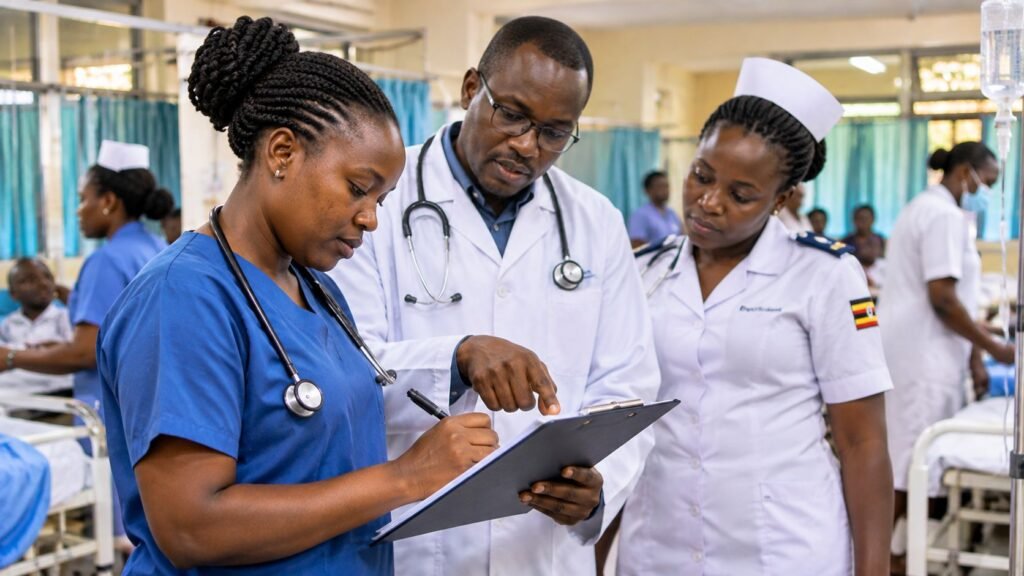
Uganda’s Ministry of Health says plans are in place to recruit 17,000 health workers over a decade to address staffing gaps in regional referral hospitals and public facilities. The plan was outlined to Parliament on 24 November. The staffing target would raise the reported staffing level from 33% to 55%. Health Centre IV staffing norms have also been revised from 48 to 150 workers, according to the minister. Parliament was told that Shs20 billion allocated for ambulances has begun procurement of 50 Type B and two Type A vehicles. The hiring plan is phased; no annual recruitment schedule or full cost was disclosed. 3-4UG report quoting the minister
2. Research examines the health-worker shortage and unemployment paradox
A new NETOMA study was launched in Abuja on 25 November to examine why health facilities face staffing gaps while qualified professionals experience unemployment, underemployment or insecure work. The project involves the London School of Hygiene and Tropical Medicine and the University of Nigeria, Nsukka, and covers Nigeria, Uganda and Zambia. Researchers say the work will explore health labour markets and policy gaps. The launch is confirmed by Nigeria’s News Agency of Nigeria; a full study protocol, sample and results were not available. NAN report · Makerere NETOMA project notice
3. Africa CDC board requests more documentation for leadership assessment
Africa CDC’s governing board has requested additional documentation to complete an evidence-based assessment of the agency and its Director-General for 2023–2026. The board elected Uganda’s health minister as chair and Namibia’s health minister as vice-chair. It plans to reconvene before 15 December to finalise a recommendation for the African Union’s leadership process. The board says the request reflects oversight and due diligence, not personal concerns or allegations. Africa CDC statement · Health Policy Watch
4. Generic lenacapavir shipments arrive in Zambia for HIV prevention
The Global Fund says the first deliveries of generic lenacapavir, a twice-yearly injectable pre-exposure prophylaxis (PrEP) medicine, have arrived in Zambia. Uganda is expected to receive supplies soon and Zimbabwe in early 2027. As of November, more than 189,000 people had received a first dose across ten early-adopter countries; 24 countries are expected to have received lenacapavir by year-end. The Global Fund plans to deliver four times the 2026 volume in 2027, toward a joint target of three million people by the end of 2028. These are rollout and supply targets, not achieved coverage. Global Fund. Independent Reuters/AP pages were not accessible during this review.
5. Fighting disrupts Ebola response in eastern DRC
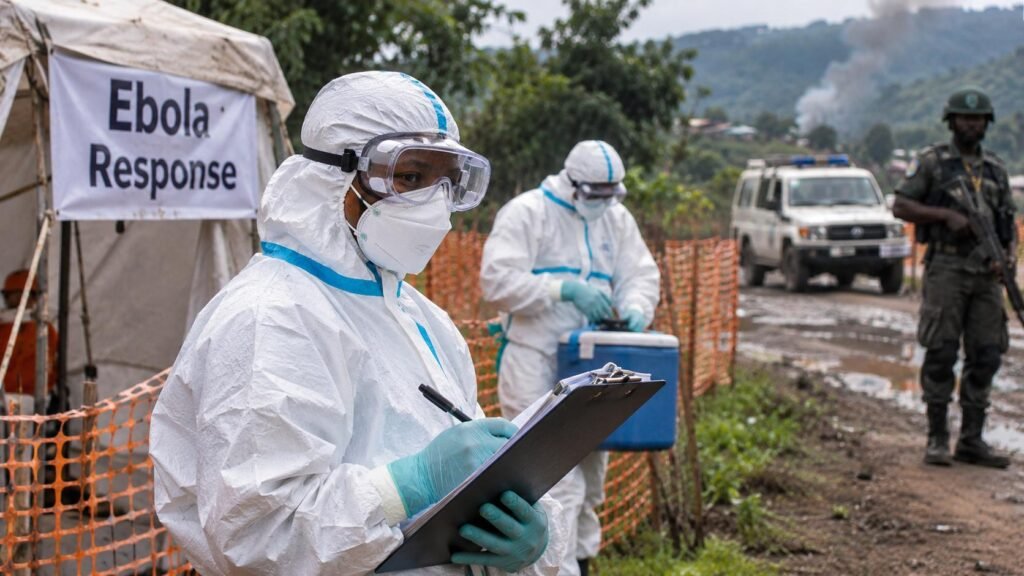
Associated Press reporting says fighting in eastern DRC forced Ebola response workers to evacuate and disrupted access, surveillance, contact monitoring and transport. WHO’s situation report published on 20 November gives a data cut of 17 November; the figures should not be treated as current to today. Insecurity can create missed contacts, delay care and interrupt safe burials. Associated Press · WHO situation update
6. WHO Africa calls for domestic pandemic-preparedness investment
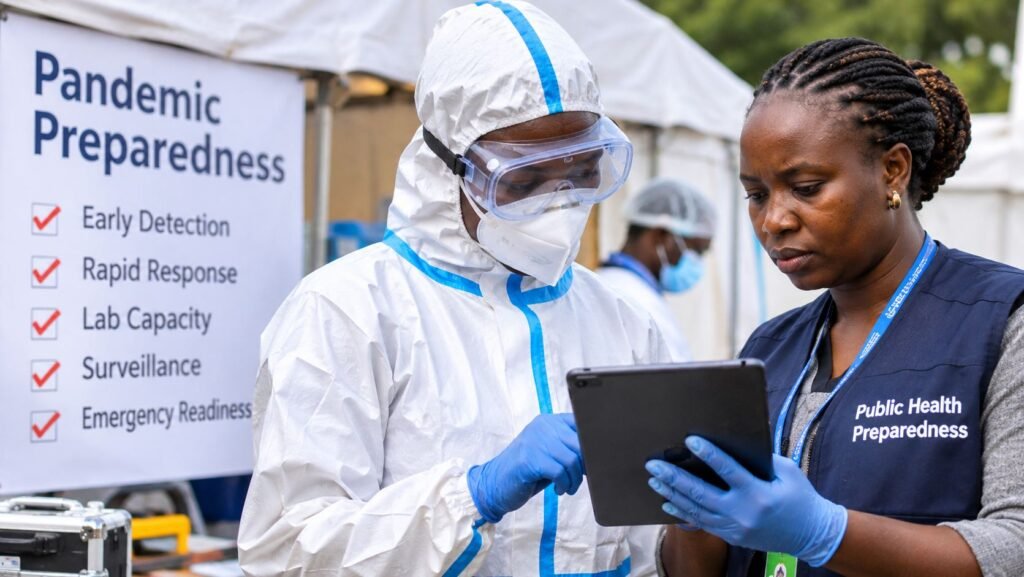
WHO’s Regional Director for Africa urged governments to fund preparedness before outbreaks rather than relying on emergency funding after threats escalate. He cited Nigeria’s reported N10 billion approval for emergency preparedness and the NCDC in June. The appeal emphasises laboratory capacity, surveillance, trained response teams, supplies, regional cooperation and implementing the amended International Health Regulations. The statements were reported by the Ethiopian News Agency; no separate transcript was located. ENA report · Africa CDC background
7. ECA says HIV financing must be protected in national budgets
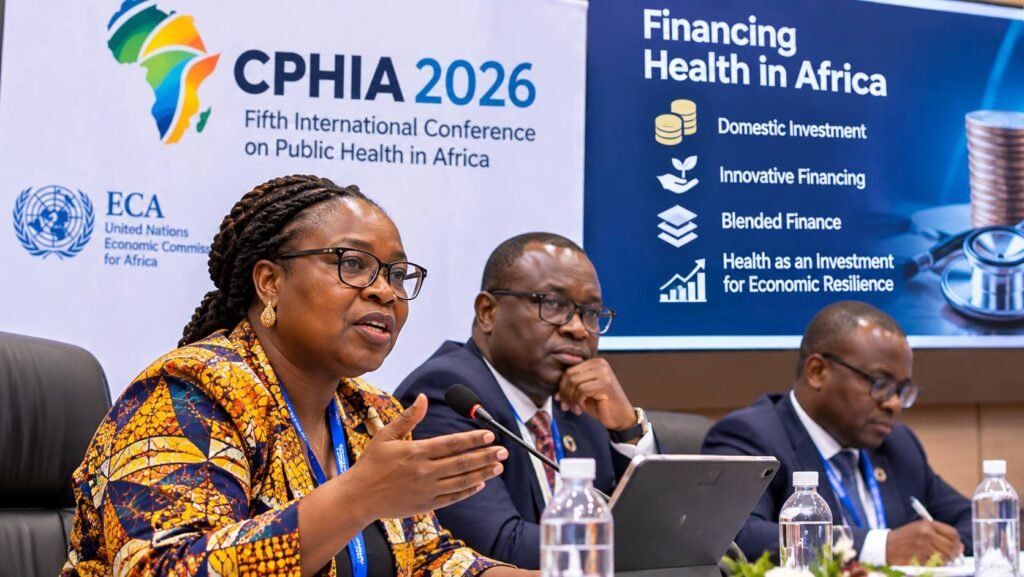
At a CPHIA side event on 25 November, the UN Economic Commission for Africa said donor-government funding for HIV fell 25% in the previous year to its lowest level since 2007, with prevention and community-led services particularly affected. ECA urged governments to protect services for more than 20 million people on treatment across Africa through domestic budget commitments. This is a regional funding signal, not a uniform country-level budget reduction. ECA
8. South Africa prepares 36 hospitals for possible imported Ebola cases
South Africa has no confirmed Bundibugyo Ebola cases, but 36 designated hospitals—24 public and 12 private—are being assessed for readiness across the nine provinces, according to Spotlight quoting the National Department of Health. Preparedness includes point-of-entry screening, referral pathways, isolation protocols, trained staff and diagnostic support. This is a secondary report with government quotations; an independently accessible official preparedness release was not found during this review. Spotlight · Department of Health response
9. CPHIA programme turns to AI, digital health and climate resilience
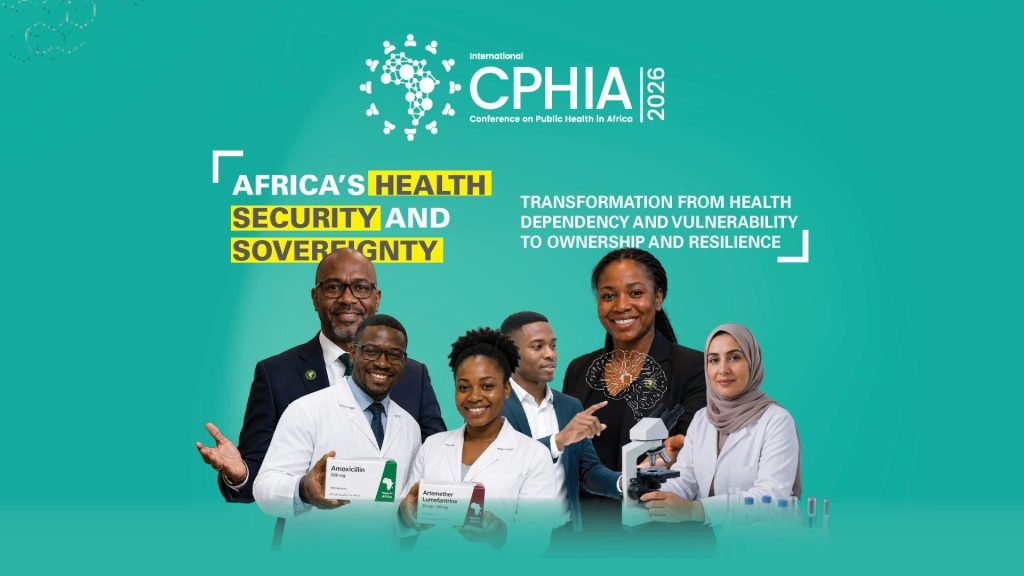
The 26 November programme in Addis Ababa includes plenary discussions on digital health, artificial intelligence, data sovereignty, climate resilience, early warning systems and outbreak preparedness. These are scheduled sessions, not confirmed new deployments or policy outcomes. Health Signal Africa will track announcements, evidence, funding and implementation commitments. Official CPHIA programme
Health opportunities
WaterAid — Policy Analyst, WASH and Health: Nairobi or Addis Ababa, permanent full-time role; right-to-work eligibility required. Secondary listings report KES5,958,525–8,042,754 annually in Kenya or ETB3,221,527–5,517,827 in Ethiopia. Deadline 26 November, 15:00 EAT. Official application.
UNICEF — Health Specialist, Health Economics and Financing P-4: Nairobi; deadline 26 November, 23:59 EAT. Health Signal Africa listing.
IRC — MEAL Officer, Ebola Response: Beni, DRC; deadline 26 November. French required; relevant MEAL/data/public-health/WASH/RCCE/protection experience and primary data collection. Official application.
AUDA-NEPAD — Energize Africa Health Fellows (15 positions): citizens of AU member states; master’s degree plus one year relevant experience or bachelor’s plus two years; US$27,200 all-inclusive annual gross remuneration. Deadline 27 November. Official listing.
ReliefWeb-linked opportunities already in the Health Signal Africa database: ALIMA Clinical Research Referent for the EBO-PEP trial (4 December); ALIMA MHPSS Flying Manager, Nigeria (7 December); and other Ebola-response roles. ReliefWeb direct access returned HTTP 403 during this run, so these listings could not be revalidated directly today. Browse current opportunities.
Technology and research watch
- HIV prevention: generic lenacapavir deliveries could broaden choice, but access depends on country rollout and reliable supply.
- Health workforce: NETOMA is examining the paradox of shortages alongside unemployment and insecure work.
- AI and digital health: CPHIA’s 26 November sessions address data sovereignty, digital systems and AI governance; watch for evidence and implementation.
- Emergency readiness: South Africa’s designated hospitals and Uganda’s ambulance procurement show how preparedness depends on staffing, transport and operational resources.
Verification notes
Uganda’s recruitment and ambulance figures are attributed to the Parliament report and a second news report; they are plans and procurement, not completed hires or delivered vehicles. NETOMA’s launch was reported by NAN, while a primary launch communiqué or protocol was not located. Africa CDC’s board statement is primary and Health Policy Watch independently reports the timing. Lenacapavir shipments are confirmed by the Global Fund; independent AP/Reuters pages were not accessible in this review. DRC Ebola access disruptions are reported by AP; WHO’s data cut is dated 17 November. The South Africa hospital-readiness figures are corroborated by Spotlight’s report and the Department of Health response document. CPHIA’s digital-health items are programme topics, not outcomes.
Source limitations: Parliament’s direct article link was unavailable during verification; staffing and ambulance figures are cross-checked against an accessible report. Independent Reuters/AP pages for lenacapavir were inaccessible, so rollout figures rely on the Global Fund primary release. ReliefWeb pages returned HTTP 403.
Discussion