
Kampala, Uganda — 26 November 2026
Uganda is planning to recruit 17,000 health workers over a ten-year period to address staffing gaps in regional referral hospitals and public health facilities, according to a statement made by the Ministry of Health in Parliament on 24 November.
The plan would increase reported staffing levels from 33 per cent to 55 per cent of revised requirements. The government has also revised staffing norms for Health Centre IV facilities, which the minister said now require 150 workers compared with a previous norm of 48. The figures point to a major workforce planning challenge as health facilities expand and demand for specialised care grows.
A long-term hiring plan, not an immediate recruitment drive
The minister did not provide an annual hiring schedule, a full financing plan or the number of posts expected to be filled in each financial year. Recruitment is expected to be phased, with deployment linked to available funding and facility readiness. The announcement therefore represents a government plan rather than 17,000 currently advertised vacancies.
Health workforce planning involves more than hiring. Facilities need equipment, housing, reliable supplies, supervision, training and the resources to retain staff. Parliamentarians raised concerns that deploying personnel to facilities without the necessary infrastructure or accommodation could undermine value for money.
Ambulance procurement and access to emergency care
Parliament was also told that Shs20 billion allocated for ambulance procurement has initiated the purchase of 50 Type B ambulances, designed for basic life support and stabilisation, and two Type A vehicles for patient transport. The minister asked lawmakers to consider increasing the annual allocation to Shs40 billion, but that request has not been approved.
Members of Parliament described referral challenges, including high ambulance and fuel costs. One legislator raised concerns about water ambulance fuel shortages around Koome Islands and said expectant mothers had delivered on local boats. The statements underscore how transport and fuel can determine whether emergency care is reachable.
Implementation will depend on funding and deployment
Uganda’s proposed recruitment could improve service capacity if posts are funded, filled and distributed according to need. The next steps are to publish phased recruitment targets, identify recurrent salary costs, prioritise underserved districts and link staffing to functioning equipment, referral transport and facility infrastructure.
The health workforce plan is a significant commitment, but its impact will be measured by the staff who reach clinics and hospitals, the services they can provide and whether patients can access care without costly delays.
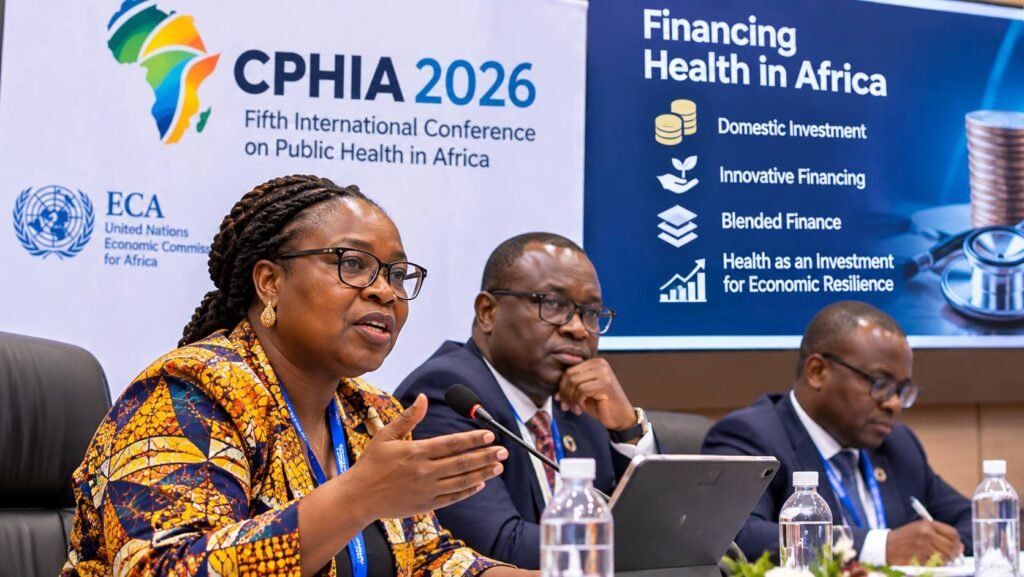
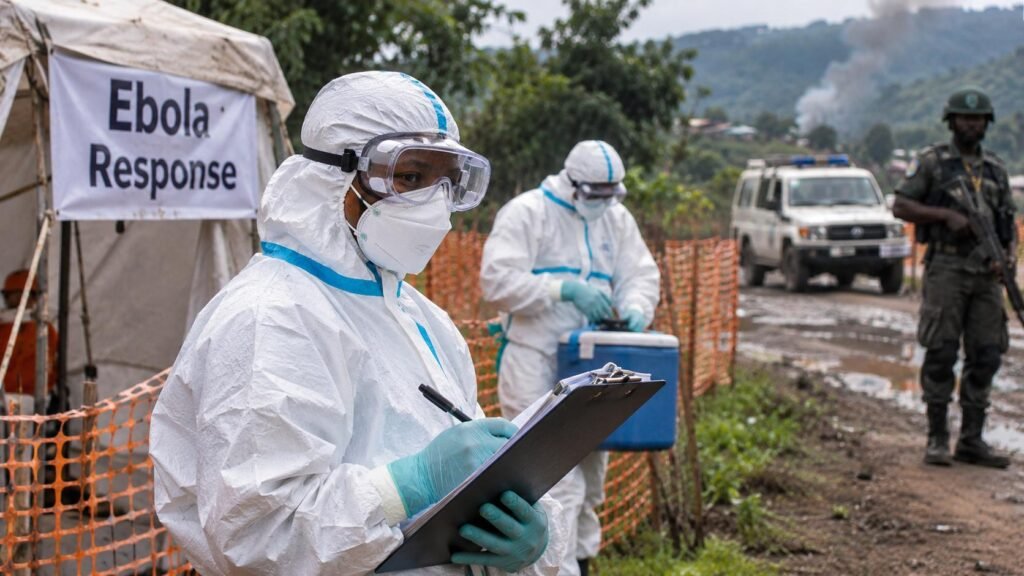
Sources: Parliament news listing (direct article timed out) · 3-4UG report quoting the minister. Illustrative image from the Health Signal Africa media library; it does not depict the announced recruitment or ambulance procurement.
Related briefing: Africa Health Briefing, 26 November 2026.
Verification note: Parliament’s news listing confirms the announcement, but its direct article link timed out during this review. The detailed figures are cross-checked against the accessible secondary report. Parliament news listing (direct article link timed out).


Discussion