Eastern Democratic Republic of the Congo — 25 November 2026
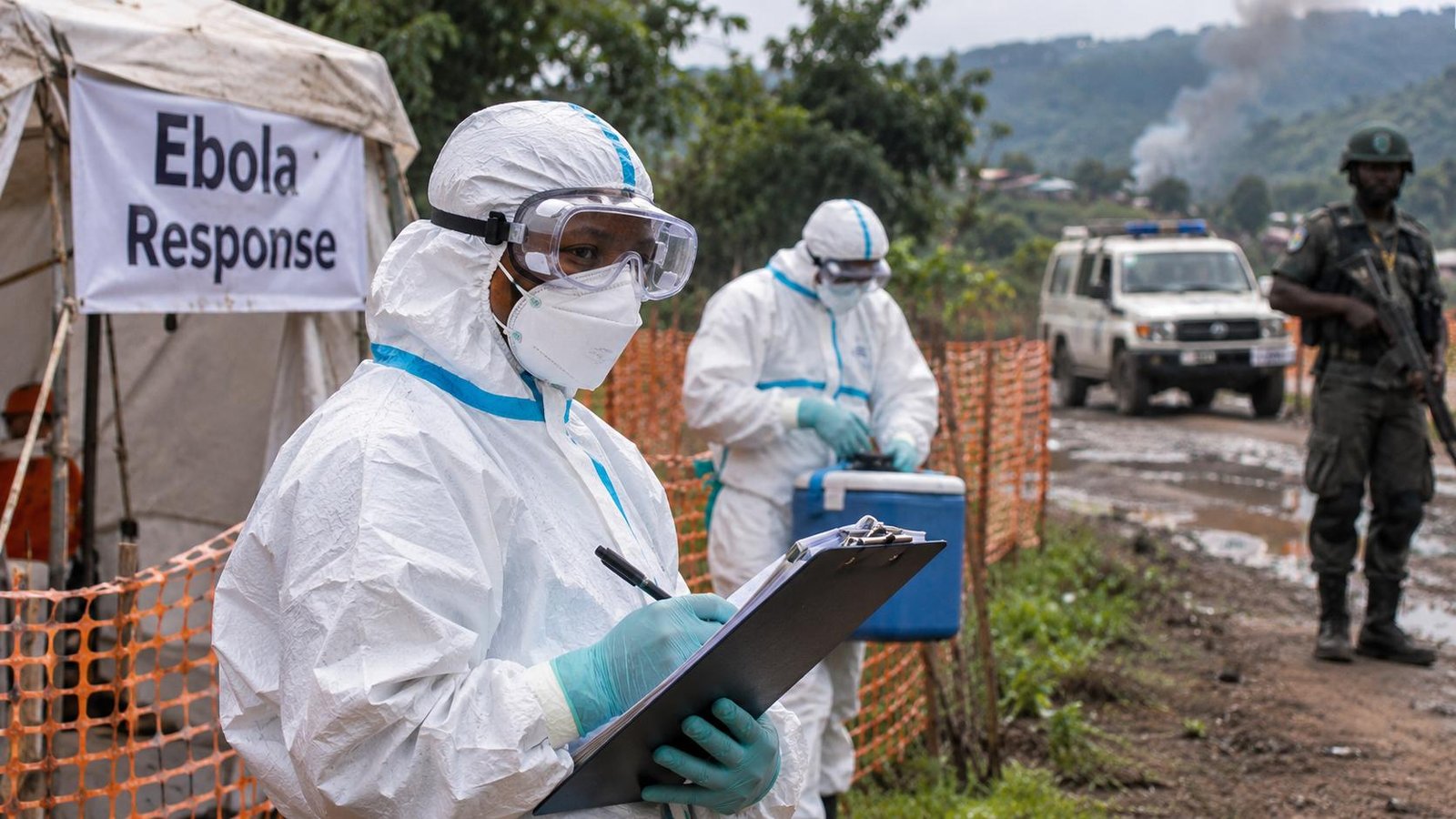
Fighting in eastern Democratic Republic of the Congo is disrupting efforts to contain the Bundibugyo virus disease outbreak, with insecurity forcing evacuations and making it harder for response teams to reach communities, monitor contacts and move supplies. Associated Press reporting describes health operations affected by the conflict, adding a security challenge to an outbreak response already dependent on timely detection, patient care and community cooperation.
Health workers and officials have been evacuated from areas where they were caught up in fighting. Access restrictions and blocked routes have complicated field operations, while insecurity has put pressure on staffing and the continuity of services. When response teams cannot safely move between communities and health facilities, essential activities—including surveillance, contact follow-up, referral and support for safe burials—can be interrupted.
The disruption comes amid a large outbreak of Bundibugyo virus disease, caused by a rare Ebola virus species. In its 20 November situation report, the World Health Organization reported 11,613 confirmed cases and 5,678 deaths in the DRC as of 17 November, with transmission reported across 48 health zones in eight provinces. These figures reflect the report’s stated cut-off date and should not be interpreted as a current tally for 25 November.
Insecurity threatens the chain of outbreak response
Containing Ebola requires several activities to work together. Teams need to identify suspected cases, investigate where infections may have occurred, trace and monitor people who have been exposed, collect samples for testing and ensure patients can reach appropriate care. Each step depends on timely access to communities and the ability of health workers to travel safely.
If insecurity prevents contact tracing or delays investigations, response teams may lose opportunities to identify transmission early. People who may have been exposed could be harder to reach, and new infections may be detected later than they otherwise would. Interrupted transport can also affect the movement of medical supplies, equipment, laboratory specimens and patients.
Evacuations may protect personnel from immediate danger, but they can leave gaps in response capacity if replacement teams cannot enter safely. Maintaining local health services and communicating clearly with communities becomes especially important during periods when external responders have limited access.
Community trust remains essential when access is limited
Outbreak operations are not only a logistical exercise. Residents need accurate, timely information about symptoms, when and where to seek care, and how response measures affect families. In areas experiencing conflict, displacement and uncertainty, rumours or fear can further complicate communication and cooperation.
Local health workers, community leaders and trusted organisations can help maintain communication when mobile response teams cannot reach every location. However, community engagement cannot replace the need for safe access, trained personnel, reliable supplies and functioning health services. It must be supported, not used as a substitute for the resources required to respond.
WHO and Africa CDC have previously emphasised community-led response, early detection, contact follow-up, safe access to care and support for frontline health workers as key elements of outbreak control in the DRC.
Response continuity requires safe access and operational support
The immediate challenge is to sustain core outbreak activities while protecting health workers and civilians. This includes restoring safe movement where possible, supporting health facilities, maintaining communications and ensuring that teams have transport, fuel, protective equipment and supplies. Evacuation and security arrangements must be in place for personnel operating in volatile areas.
Humanitarian organisations and public health authorities also need to maintain coordination so that accessible areas continue to receive surveillance, testing, referral and treatment services. Where response teams cannot enter, local networks may help identify alerts and direct people toward available care—but information must be verified and referrals must be feasible.
What the disruption means for regional preparedness
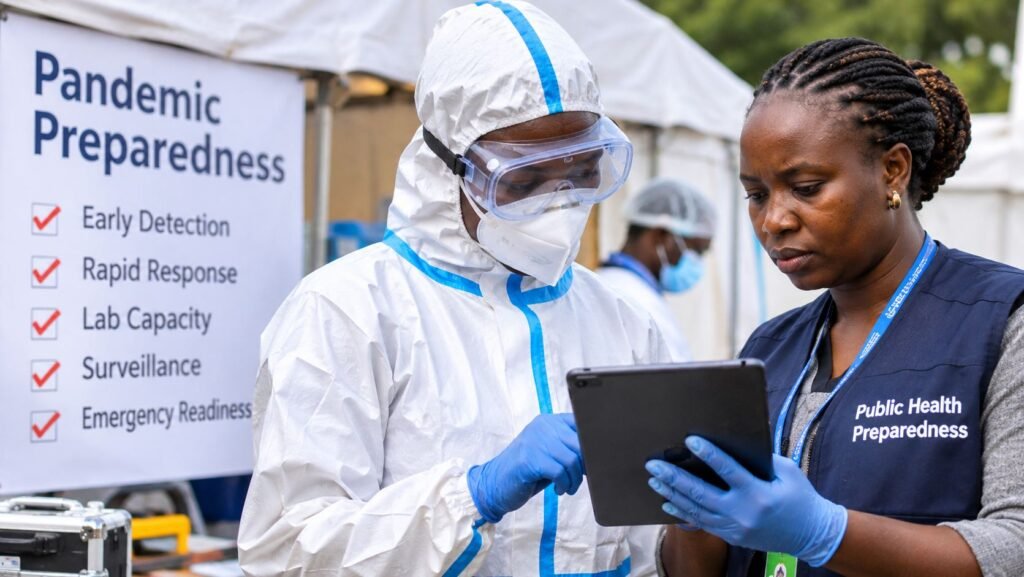
The outbreak has implications beyond the affected communities in eastern DRC. Cross-border preparedness depends on neighbouring countries maintaining alert systems, laboratory capacity, trained staff and clear procedures for investigating suspected cases. It also requires coordination that does not unnecessarily disrupt travel or trade while protecting public health.
The longer insecurity interrupts outbreak operations, the more difficult it may become to identify transmission chains and maintain consistent follow-up. Restoring access is therefore a public-health priority as well as a humanitarian one. The response must balance security, community trust and continuity of care rather than rely on any one measure alone.
Sources: Associated Press reporting on fighting and Ebola response disruption in eastern DRC; WHO Disease Outbreak News situation report, 20 November 2026; WHO and Africa CDC joint call for community-led Ebola response in DRC, 6 August 2026.
Limitations: The reported security disruptions are drawn from AP reporting. WHO’s outbreak figures are dated to 17 November, not the publication date of this article. The article does not independently establish the extent or duration of each operational interruption in every affected location.



Discussion