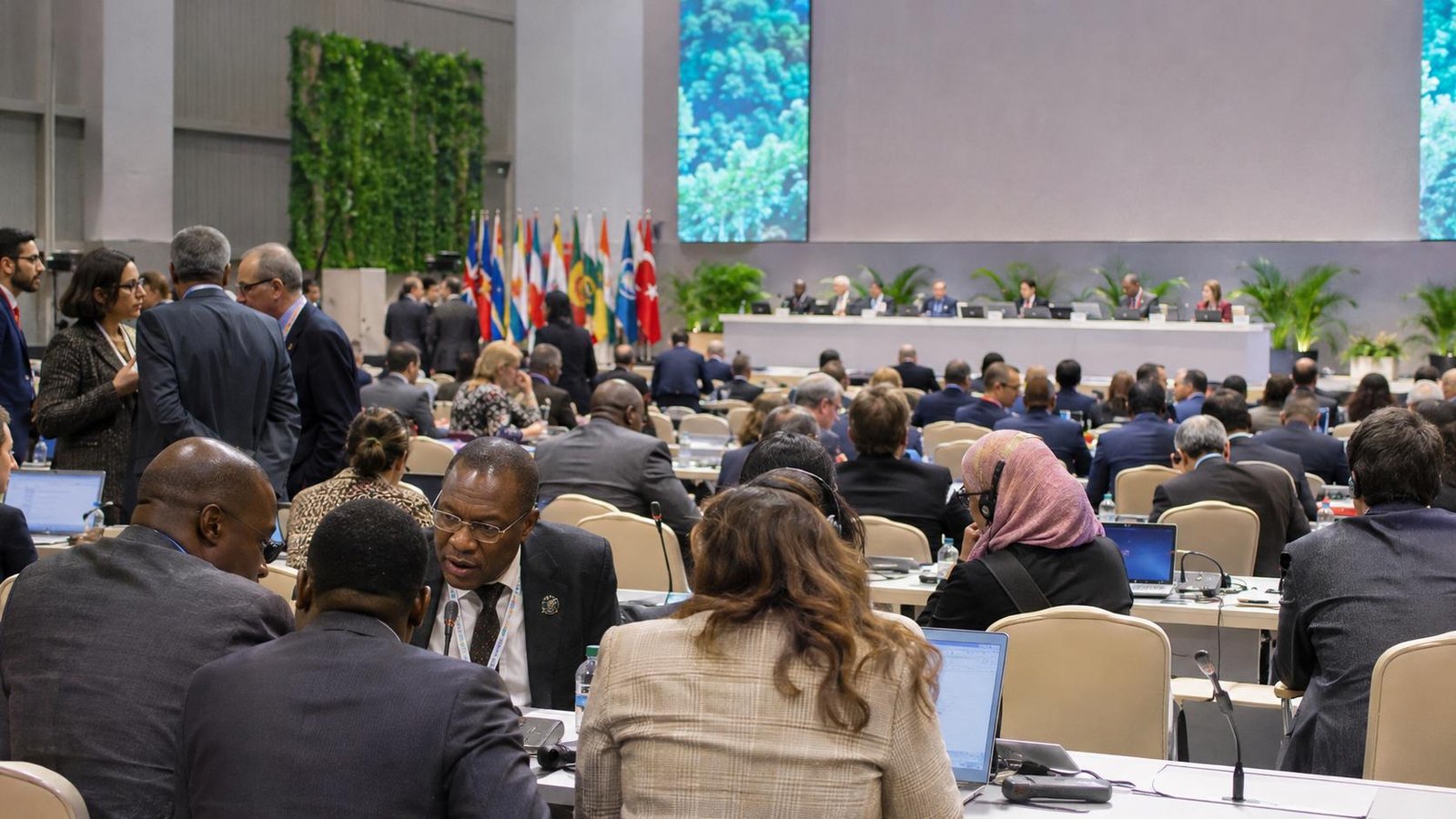
Antalya, Türkiye — 22 November 2026 — Climate negotiations at COP31 continued beyond their scheduled 20 November close as countries worked on a revised package addressing emissions, energy transition and finance. The final agreement was still pending at the time of this report. Meanwhile, the summit’s health programme highlighted the need to turn climate commitments into practical measures that protect health services and communities.
Negotiations continue after scheduled close
Reuters reported that the COP31 presidency presented a revised package during extended talks. Disagreements included fossil-fuel language and financial support for developing countries. Until the conference formally approves its final text, proposals should not be treated as adopted decisions.
For African countries, the negotiations have implications for climate adaptation, infrastructure resilience and financing. Heat, floods, drought and disruptions to food and water systems can increase health risks and interrupt access to care. The outcome matters not only for national climate targets but also for resources available to protect services and vulnerable communities.
Health Pavilion concluded its programme
WHO and partners held the COP31 Health Pavilion from 9 to 20 November. The programme included more than 60 events covering climate-resilient health systems, digital health, climate-sensitive technologies, humanitarian health, financing and national adaptation plans.
Health Day on 9 November included a ministerial roundtable and the launch of the Antalya Initiative for Health Resilience. The initiative is voluntary and non-binding; it is intended to support exchange and practical action, rather than establish a new financing mechanism. Participation or launch announcements should not be mistaken for funded country programmes.
What climate resilience means for African health services
Health facilities need reliable power and water, resilient infrastructure, emergency plans, early-warning systems and supply chains that can continue during climate shocks. Flooding may cut roads and referral routes; heat can increase demand for care and affect facility operations; drought can threaten nutrition, water access and livelihoods.
These risks require health ministries to work with finance, environment, energy, water, agriculture and disaster-management institutions. Adaptation plans need budgets, accountable implementation and measures to protect the communities most exposed. Health systems should assess climate vulnerabilities and prioritise continuity of essential services during emergencies.
What to watch next
The next step is to assess the final COP31 decisions once adopted, particularly their treatment of climate finance, implementation and health. Health Signal Africa will review the official outcome and report what it means for African health systems rather than treating draft proposals as commitments. The key measure will be whether announcements lead to practical investments, stronger services and accountability.
Sources
- Reuters — COP31 talks and revised package
- WHO — COP31 Health Pavilion
- WHO — Health Day and Antalya Initiative
- UNFCCC — COP31 official information
Negotiation status and policy outcomes should be checked against the final conference text.

Discussion