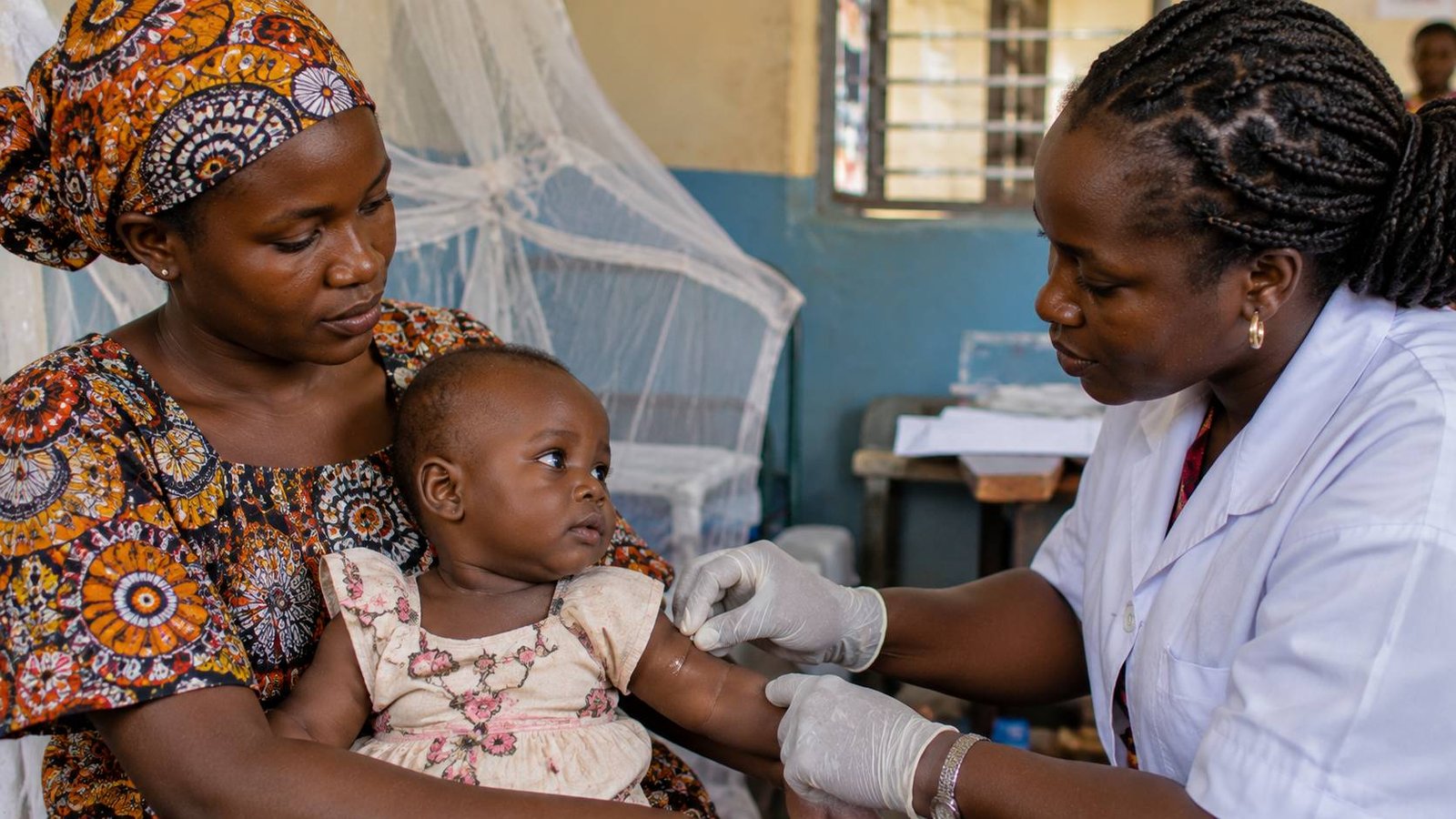
Bamako, Mali — 20 November 2026 — A Phase 1b clinical trial in Mali found that a single dose of an experimental monoclonal antibody provided substantial protection against malaria infection in infants during a six-month transmission season, but researchers also observed a lower antibody response to the R21 malaria vaccine among children who received L9LS before vaccination. The results were presented at the Annual Meeting of the American Society of Tropical Medicine and Hygiene (ASTMH).
The trial evaluated L9LS, a monoclonal antibody developed by the US National Institute of Allergy and Infectious Diseases (NIAID), in infants aged one to 12 months. The study was conducted by researchers in Mali with NIAID collaborators. The reported results suggest that the antibody could offer temporary protection during the period when young infants are particularly vulnerable to malaria, but the vaccine interaction raises questions about how the intervention could be scheduled.
Protection against infection was reported at 78%
Investigators reported that L9LS was safe and well tolerated in the trial and provided 78% protective efficacy against infection with Plasmodium falciparum during the six-month malaria season. The endpoint was infection, not a demonstrated reduction in deaths. The antibody works by targeting the parasite as it enters the bloodstream and is intended to provide protection for a limited period after administration.
Monoclonal antibodies may offer an additional option for infants who are too young to receive routine malaria vaccination. However, they are not a substitute for insecticide-treated nets, malaria prevention programmes, prompt testing and effective treatment. Their potential value will also depend on cost, duration of protection, access, delivery logistics and suitability for different populations.
The R21 interaction may affect how interventions are sequenced
Researchers also reported that an antibody response generated by the R21 malaria vaccine was about 20% to 30% lower among participants who received L9LS five months before vaccination than among those who received placebo. The study team suggested the interaction could occur because L9LS binds weakly to a malaria protein included in the R21 vaccine, despite not being its main target.
The finding is important because malaria vaccination is part of routine prevention in several African countries. If a monoclonal antibody is used in infants before a vaccine dose, researchers need to understand whether the timing affects vaccine response and whether any reduction changes protection against disease. The investigators said the observed interaction was prompting them to pause plans for a larger infant trial of L9LS.
What the results mean for malaria prevention
The trial highlights both the potential and the complexity of adding new tools to malaria programmes. A monoclonal antibody could provide temporary protection during high-transmission periods, but the optimal age, timing, duration, dosing, interaction with vaccines and delivery system remain questions for further research. Decisions about use will require evidence from larger studies and regulatory review.
For Mali and other malaria-endemic countries, established prevention remains important: insecticide-treated nets, recommended vaccines, seasonal or perennial chemoprevention where appropriate, rapid diagnosis and treatment, and surveillance. New interventions should be evaluated for how they fit with existing schedules and services.
Additional independent reporting: STAT News, 19 November 2026. The ClinicalTrials.gov record describes the trial design and completion status; the 78% protection and vaccine-antibody interaction were reported at the ASTMH meeting and have not yet been published in a peer-reviewed article.
Sources and limitations
ASTMH press release, mirrored by Mirage News, 20 November 2026; ClinicalTrials.gov study NCT06461026; WHO malaria vaccine information.
Limitations: These results were presented at a scientific meeting and are not yet a peer-reviewed publication. The full abstract and detailed statistical analysis were not available in this review. The reported 78% protection is against infection and should not be interpreted as 78% protection against severe disease or death.


Discussion