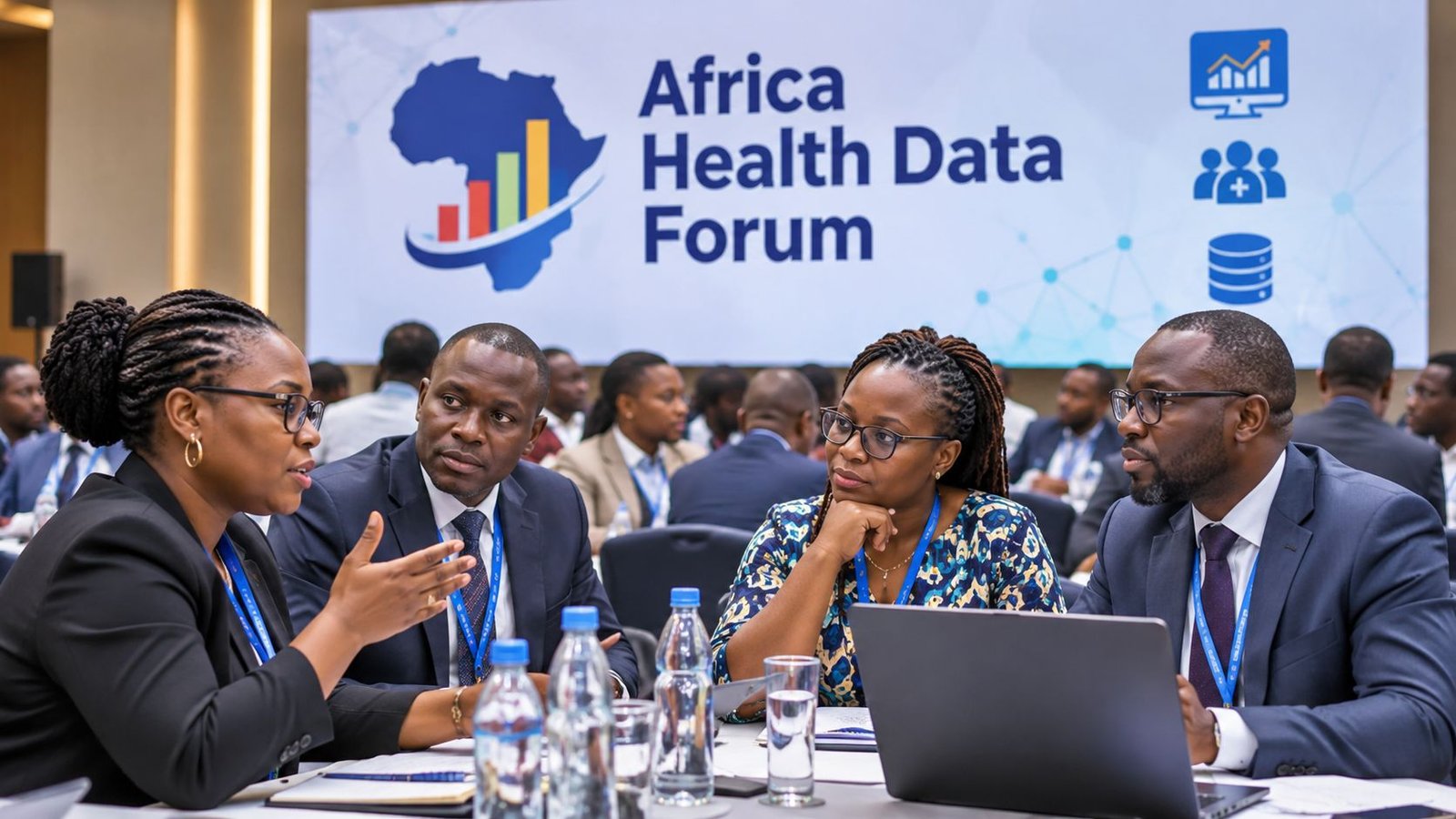
NAIROBI, 8 November 2026 — Health ministers, public-health data specialists, researchers and development partners are expected in Nairobi from 10 to 12 November for the inaugural Africa Health Data Forum, a World Health Organization-convened meeting focused on strengthening the information systems countries use to plan, finance and deliver healthcare.
The forum comes as WHO continues to identify gaps in the region’s ability to generate timely, high-quality and disaggregated health data. WHO’s dedicated Health Information System page says 37 countries, representing 79 per cent of the WHO African Region, completed health-information-system assessments in 2024. The overall regional maturity score was 58 per cent, classified by WHO as an early stage of maturity.
The WHO event page currently displays a regional maturity score of 59 per cent. It does not explain the difference between that figure and the 58 per cent reported on the dedicated health-information-system page. The 58 per cent figure is used here because it is presented alongside the assessment coverage and year. Neither figure should be interpreted as the percentage of hospitals or clinics that have digital records; it is a regional system-maturity measure.
Fragmented data make it harder to act on health needs
Health information systems bring together routine facility reports, disease surveillance, laboratory results, service statistics, workforce information, financing data and other records used to guide decisions. When these systems are fragmented or cannot exchange information, decision-makers may struggle to compare trends, identify gaps or understand where resources are most urgently needed.
WHO identifies limited and unsustainable capacity to produce timely, high-quality and disaggregated data as a continuing challenge in the African Region. It also points to fragmentation across multiple systems, weak interoperability and gaps in data governance as reasons why available information is not always used effectively.
The consequences extend beyond digital technology. Incomplete or delayed reporting can weaken outbreak detection, distort estimates of service coverage, complicate procurement planning and make it difficult to assess whether health spending is improving access or outcomes. Data systems also depend on people who can collect, validate, analyse and interpret information at facility, county and national levels.
The Nairobi forum is designed around country priorities
WHO says the three-day meeting will move from assessing the current situation to co-designing solutions and then identifying actions. The programme is intended to give Member States space to explain their priorities and constraints, while partners consider where technical assistance, financing, knowledge exchange and innovation can support country-led plans.
The agenda identifies five connected areas: strong foundations for governance and sustainable financing; connected and interoperable data ecosystems; stronger use of data for policy and service delivery; responsible artificial intelligence with privacy and security safeguards; and investment that can support implementation at scale.
The forum is not being presented as a launch of a single new continental health-record platform. Its stated purpose is to understand country needs, coordinate existing support and develop a shared priority agenda. WHO says follow-up within 12 months should translate priorities into practical collaboration and better-aligned partner support, with progress reviewed at a second forum in 2028.
Kenya has an opportunity to focus the discussion on implementation
Hosting the meeting gives Kenya a platform to contribute to regional discussions on digital health, data exchange and governance. The practical value will depend on whether the forum’s commitments translate into stronger national systems, clear responsibilities, realistic budgets and measurable improvements in the quality and use of health information.
For countries, interoperability should not mean making every database identical or sharing identifiable patient information without safeguards. It means agreeing on standards and secure processes that allow authorised systems to exchange the information needed for care, surveillance, planning and accountability. Privacy, cybersecurity, data ownership and public trust must be built into the design from the beginning.
The central question for the forum is therefore whether countries and partners can move from repeated calls for digital transformation to funded implementation. Better health data can support better decisions, but only when information is reliable, systems are connected, staff are equipped to use it and governments remain accountable for how data are protected and applied.


Discussion