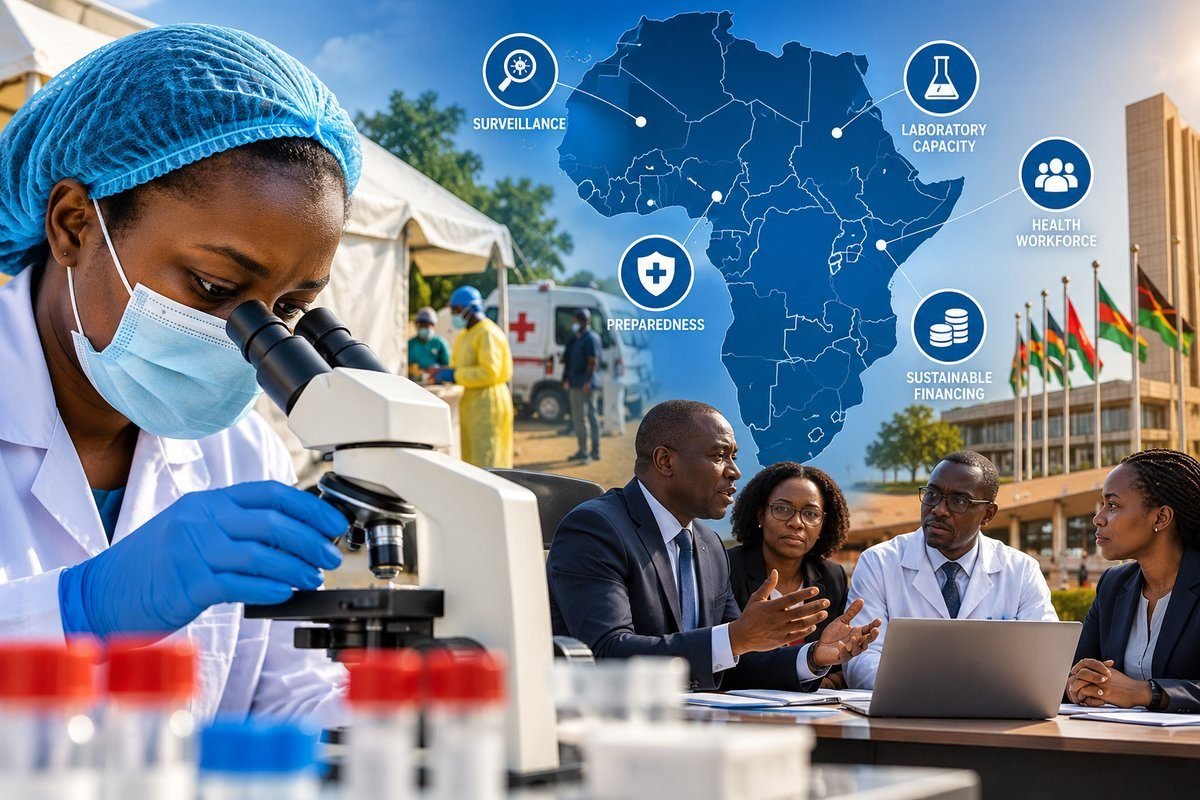
Ethiopia is hosting the seventh Emergency Medical Teams (EMT) Global Meeting from 3 to 5 November 2026, bringing the international gathering to the World Health Organization’s African Region for the first time. More than 800 participants from over 100 countries are gathering in Addis Ababa, including government representatives, health professionals, researchers and humanitarian partners. The meeting focuses on strengthening countries’ ability to provide timely, quality clinical care when health systems are under pressure.
What emergency medical teams do
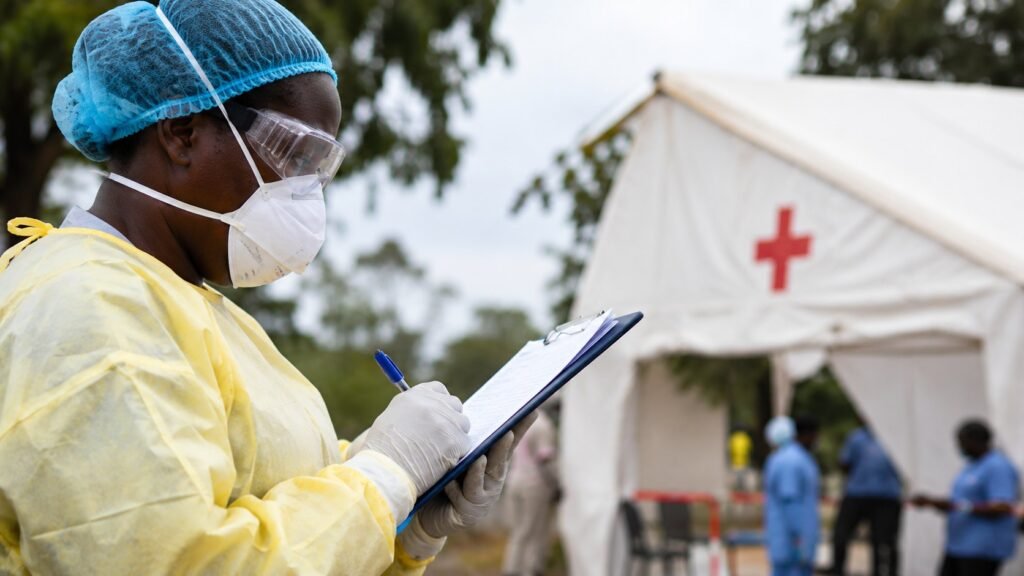
Emergency Medical Teams are organised groups of health professionals who are trained and equipped to provide clinical care during outbreaks, disasters, conflicts and other emergencies. Depending on their capabilities, teams may provide emergency surgery, trauma care, critical care, primary healthcare and other essential services. They operate under the coordination of the affected country and are expected to meet agreed standards for safe, quality care. Their role is to support national health systems, not to replace local authorities or create a separate response structure.
The need for such teams is clear in settings where sudden emergencies overwhelm routine services. An outbreak can increase demand for isolation, clinical management and infection prevention. A natural disaster can damage facilities, disrupt supply chains and leave injured people without timely treatment. Conflict and displacement can make it difficult for communities to reach functioning health facilities. A trained national team can help authorities organise clinical support more quickly, provided it has staff, equipment, transport, funding and a clear deployment plan.
Why the African meeting matters
The WHO says the meeting is guided by the EMT 2030 Strategy and lessons from recent emergencies. Discussions are focusing on sustainable financing, quality standards, operational readiness and international cooperation. These priorities address practical challenges that can prevent a team from deploying even when trained health professionals are available. Health workers may need to be released from routine duties, equipment must be transported, supplies need replenishment and teams must know where they will operate and how their work will be funded.
The gathering also comes as African countries work to strengthen national emergency response capacity. WHO reports that 30 countries in the African Region are developing national EMT capacities, supported by the Regional Framework on Emergency Medical Teams 2026–2030. This figure describes countries developing capacity; it should not be interpreted as meaning that all 30 already have fully operational or internationally classified teams. The difference between planning, training, classification and real-world deployment is important when assessing readiness.
Ethiopia’s national team and regional capacity
Ethiopia has a particular role as host. WHO reports that the country’s national EMT achieved WHO international classification in September 2026 following an assessment of its clinical services, logistics and operational readiness against international standards. The classification provides an important reference point for the country’s emergency response capacity, although teams must continue to train, maintain equipment and test deployment systems to remain ready.
Addis Ababa is also home to the Regional EMT Training and Knowledge Hub, which provides a platform for training, simulation exercises and the exchange of expertise. WHO says it supports national EMT development through technical guidance, mentoring and readiness assessments. Such support can help countries develop teams that are adapted to local risks and health systems while applying common standards for safety and quality. Regional learning is particularly relevant where emergencies cross borders or where neighbouring countries may need to support one another.
Turning global discussion into readiness
The value of the meeting will depend on what happens after delegates return home. Countries need realistic plans for staffing, budgets, equipment, transport, clinical governance and coordination with national emergency operations. Regular simulation exercises can expose gaps before a real emergency occurs. Financing also needs to cover routine readiness—not only the cost of deploying after a crisis has started. Without predictable resources, trained teams may lose staff, equipment may become unusable and response capacity can weaken between emergencies.
The meeting is therefore an opportunity to move from broad commitments to measurable country-level actions. Watch for the outcomes of the discussions, new regional cooperation arrangements and evidence that national teams receive sustained financing and regular opportunities to train and deploy. Hosting the first global EMT meeting in the African Region gives the continent visibility in the international conversation. Its longer-term significance will be measured by whether countries can get skilled health workers and essential clinical care to affected communities quickly, safely and consistently.
Discussion