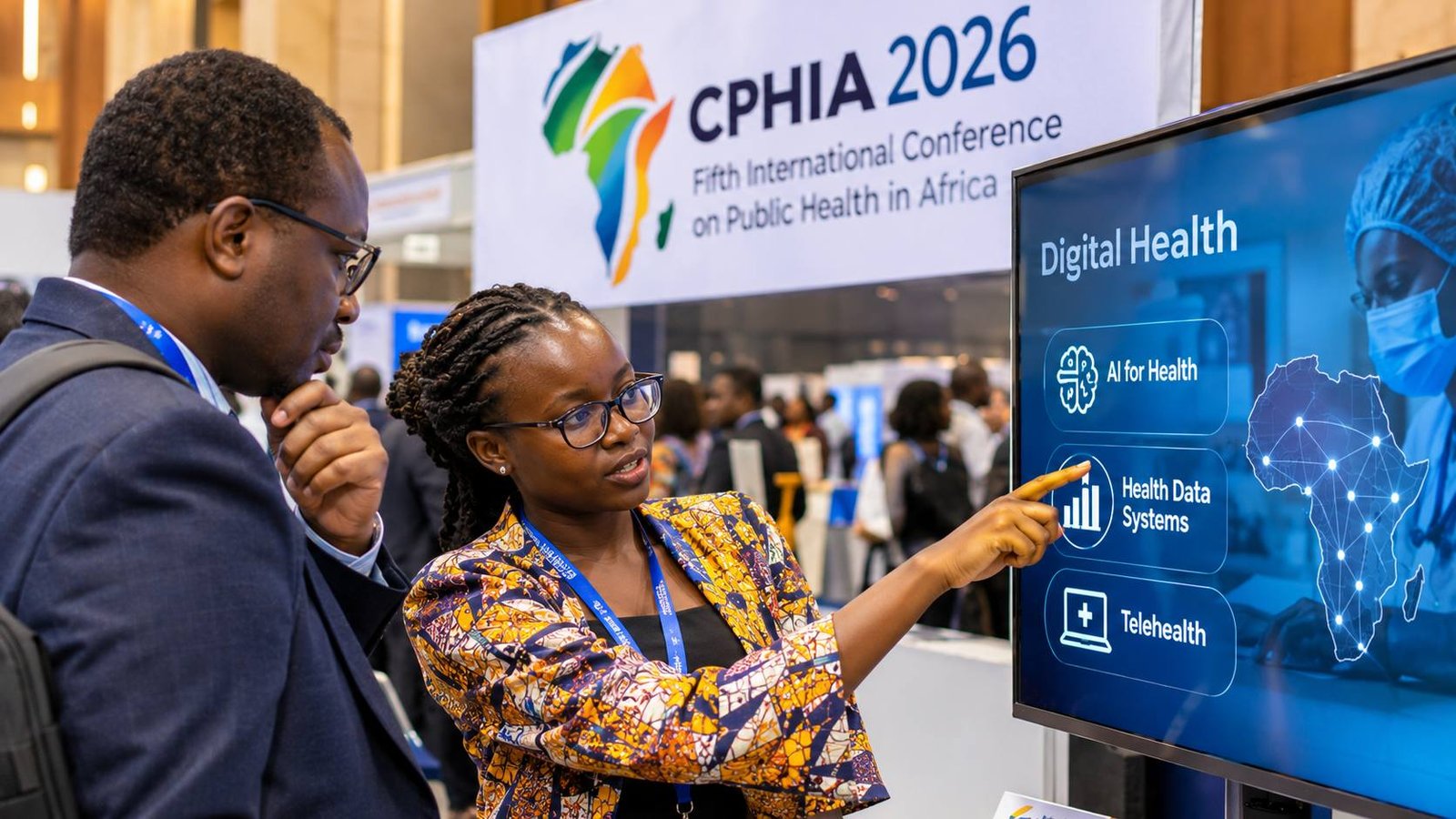
Addis Ababa, Ethiopia — 23 November 2026 — Artificial intelligence, digital health and data systems are among the priorities of the Fifth International Conference on Public Health in Africa (CPHIA 2026), as African health leaders examine how technology can support greater ownership and resilience of health systems.
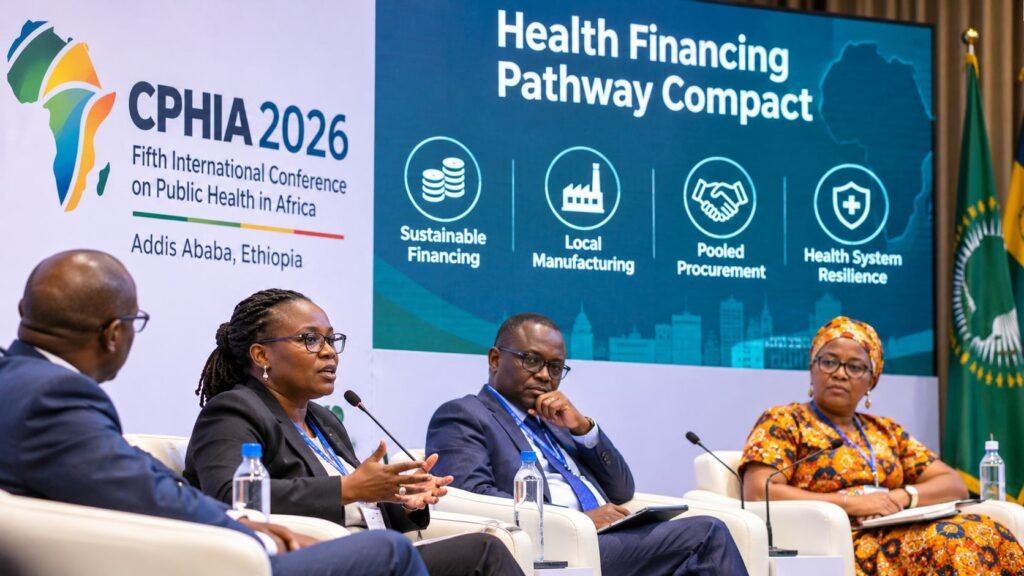
The conference programme places digital transformation alongside sustainable financing, local manufacturing, pandemic preparedness, climate resilience and reform of global health governance. The agenda reflects growing interest in technology as part of health sovereignty, but the practical challenge for countries is moving from pilots and demonstrations to services that can be maintained and used at scale.
Digital health needs reliable foundations
AI-enabled diagnostics, electronic medical records, digital surveillance, decision-support tools and telemedicine can help health workers manage information, identify risks and connect patients with care. Yet these systems depend on reliable electricity, connectivity, equipment, technical support, interoperable data standards and a workforce able to use them safely.
In many settings, digital projects operate alongside paper records or separate platforms. Introducing another system without integration can increase workload, create duplicate records and make it harder to follow patients across services. Technology should solve a defined clinical or operational problem rather than add another disconnected tool.
AI raises questions of evidence and accountability
Health AI applications need to be evaluated for accuracy, safety, bias, performance across different populations and real-world usefulness. A model trained on data from one setting may not perform equally well in another. Health facilities also need clarity on who is responsible when an AI recommendation is wrong, how clinicians can challenge it and how patient information is protected.
Data governance is a central part of the sovereignty debate. Countries need appropriate rules for consent, privacy, cybersecurity, access, storage and sharing. African institutions also need capacity to evaluate and govern systems, not only purchase software developed elsewhere.
Who will pay after the pilot?
Digital health projects frequently require recurring costs for licensing, cloud hosting, maintenance, connectivity, upgrades, cybersecurity and training. These costs should be included in health budgets and procurement plans from the start. Without a sustainable financing model, promising pilots can become inactive once project funding ends.
Public procurement should consider total cost of ownership, local support, interoperability, security and evidence of benefit. Shared infrastructure and regional learning may reduce duplication, but implementation must fit the needs of each health system.
What should African health systems measure?
Technology investments should be judged by whether they improve access, diagnostic accuracy, timeliness, quality of care, workflow, health outcomes or efficiency—and whether those improvements justify the costs. Evaluation should include health workers and patients, particularly groups who may be excluded by limited connectivity, language barriers or accessibility challenges.
CPHIA 2026 places digital health and AI within the wider conversation on African ownership. The next step is to convert conference discussions into practical standards, funded implementation plans, accountable procurement and evidence that technology improves care. Health sovereignty in digital systems will require the ability to govern, maintain and evaluate them—not simply deploy them.
Sources
- Africa CDC, What to expect at CPHIA 2026
- Africa CDC, CPHIA 2026 health security and sovereignty agenda

Discussion