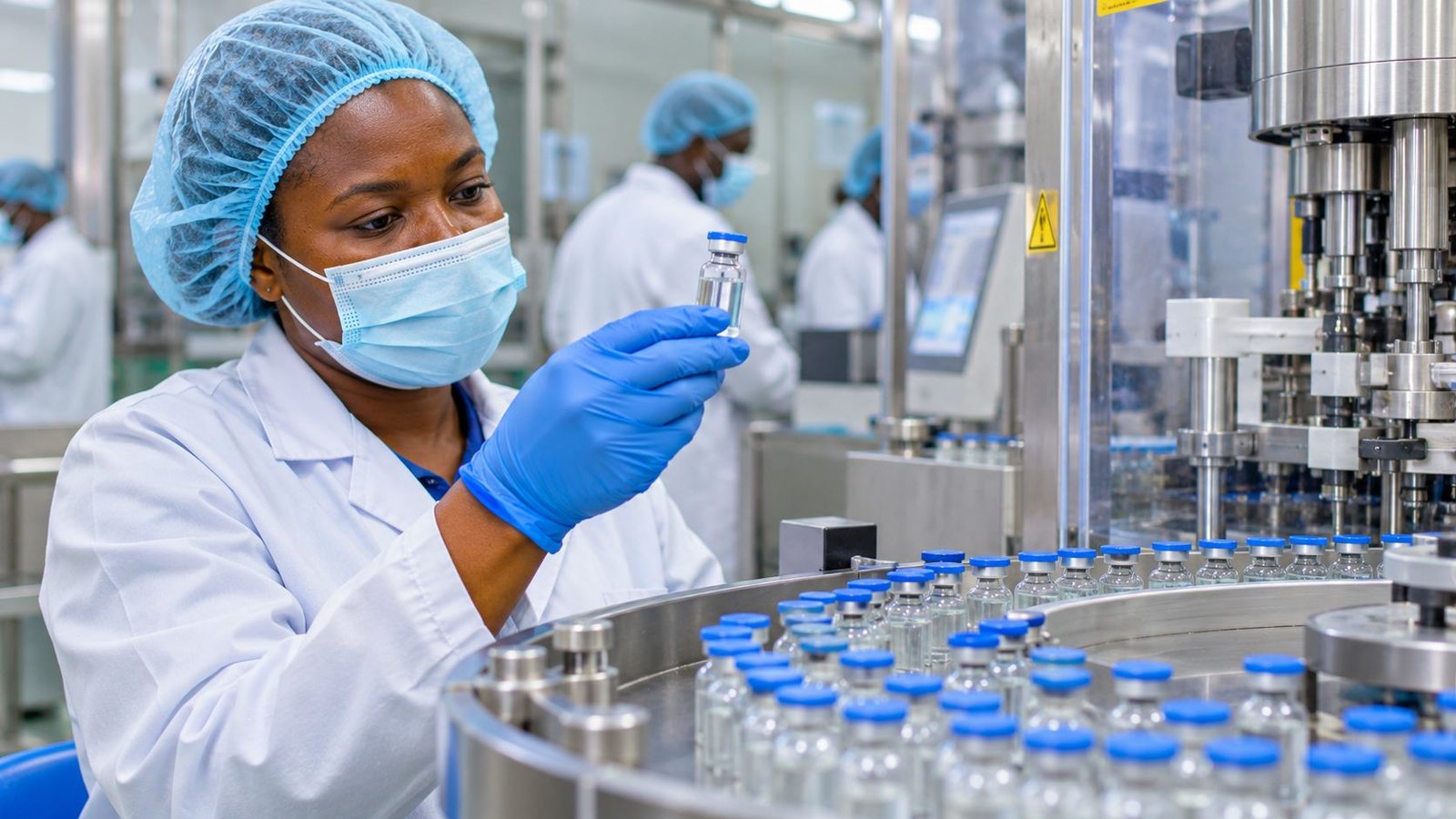
Addis Ababa, Ethiopia — 23 November 2026 — Africa’s ambition to manufacture 60 per cent of its vaccine needs locally by 2040 will depend on more than building factories. The target requires sustainable demand, financing, research and development, skilled workers, regulatory capacity and regional procurement arrangements that allow manufacturers to compete beyond the initial investment phase.
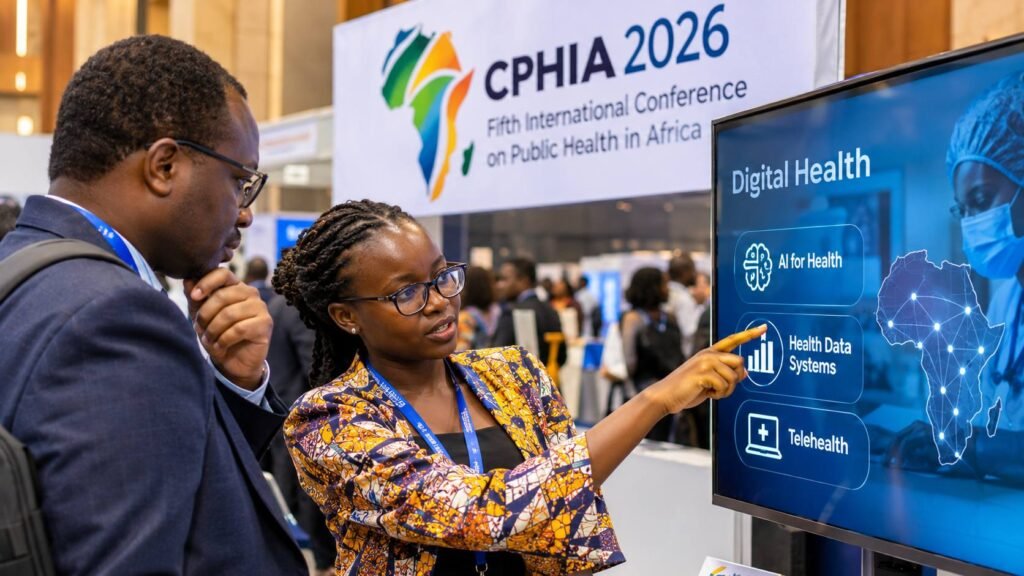
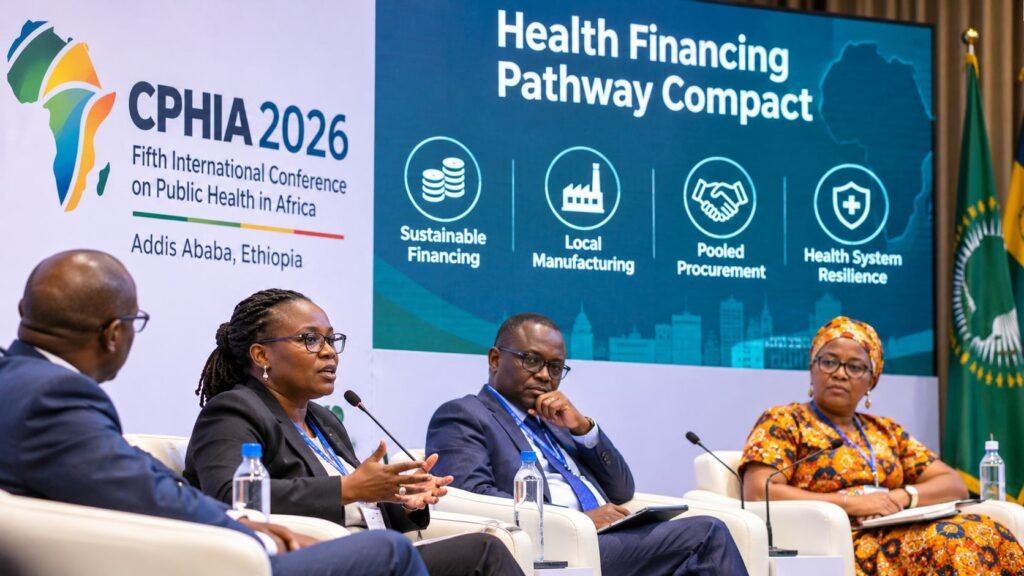
The manufacturing ambition is among the priorities expected to feature during the Fifth International Conference on Public Health in Africa (CPHIA 2026) in Addis Ababa. It reflects a wider effort to reduce dependence on imported health products and strengthen the continent’s ability to respond to epidemics and routine immunisation needs.
Manufacturing capacity is not the same as self-sufficiency
Several African countries have established or are developing vaccine manufacturing capacity, but much of the existing capability is concentrated in later-stage activities such as fill-and-finish. Producing a vaccine at scale also involves product development, clinical research, quality systems, specialised inputs, regulatory approval, reliable supply chains and sustained technical expertise.
A WHO Africa regional technical report notes that strengthening capacity to develop and manufacture vaccine products will require investment in the wider research and development ecosystem. This includes the ability to advance products, maintain quality and build expertise across the manufacturing process—not only to package or finish doses.
The economics could determine which factories survive
Vaccine production is capital-intensive and requires predictable orders. Established manufacturers can benefit from scale, mature technology, supply networks and lower unit costs. New facilities may struggle if demand is fragmented across countries or if procurement relies on short-term tenders with uncertain volumes.
Local manufacturers need viable markets, clear purchasing plans and sufficient working capital. Regional pooled procurement, demand aggregation, long-term purchase commitments and transparent regulatory pathways could help create predictable demand. However, such mechanisms need careful design to protect affordability, quality and competition.
Financing, regulation and skills must advance together
Investors and governments face the risk of building capacity that cannot be sustained without continuous support. Financing therefore needs to cover research, technology transfer, equipment, quality assurance, workforce training, utilities, maintenance and operating costs. Regulatory institutions must be equipped to assess products, inspect facilities and maintain confidence in vaccine safety and quality.
Regional cooperation can help countries share technical expertise, regulatory work, research infrastructure and market opportunities. But cooperation will not remove the need for manufacturers to demonstrate quality, reliability and competitive value.
What would progress look like by 2040?
Progress should be assessed through transparent milestones: which products are being developed, what stages of production are available, how much supply is delivered, whether facilities meet regulatory standards, and whether procurement contracts provide predictable demand. The headline target is a direction of travel rather than proof of future capacity.
Africa’s vaccine manufacturing ambition could improve health security if it creates dependable, affordable supply and strengthens the research and industrial base. The test is whether investment produces sustainable manufacturing ecosystems—not simply facilities that are inaugurated but cannot maintain production.
Sources
- WHO Regional Office for Africa, technical report section on African vaccine manufacturing: regional report
- Africa CDC, CPHIA 2026 programme and manufacturing agenda

Discussion