MONROVIA, Liberia, 5 November 2026 — A World Health Organization (WHO) assessment of health facilities and border preparedness in three Liberian counties has identified gaps in screening equipment, infection-prevention supplies, isolation capacity and the availability of skilled health workers.
The field mission covered Lofa, Bong and Margibi counties from 19 to 23 October and was reported by WHO on 2 November. It reviewed health-system performance and readiness to prevent, detect and respond to Ebola and other epidemic-prone diseases, while also examining the delivery of routine services.
At the Bologuadou Point of Entry on the Liberia–Guinea border in Lofa County, the assessment found shortages of screening equipment and infection-prevention and control supplies, as well as the absence of a dedicated isolation facility. Across facilities visited, WHO identified gaps in essential supplies, surveillance documentation and the operational readiness of some isolation facilities.
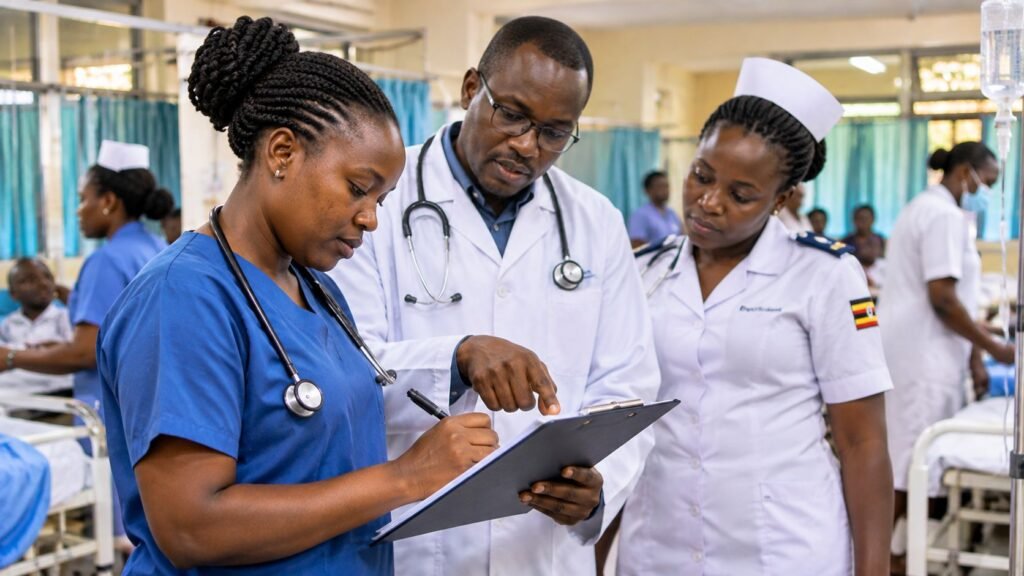
The mission also observed constraints affecting routine healthcare, including shortages of skilled health workers, infrastructure limitations and inconsistent availability of medical supplies. At the same time, WHO noted functioning maternal and child health, immunisation and outpatient services, active health coordination and Community Drug Revolving Funds in some facilities.
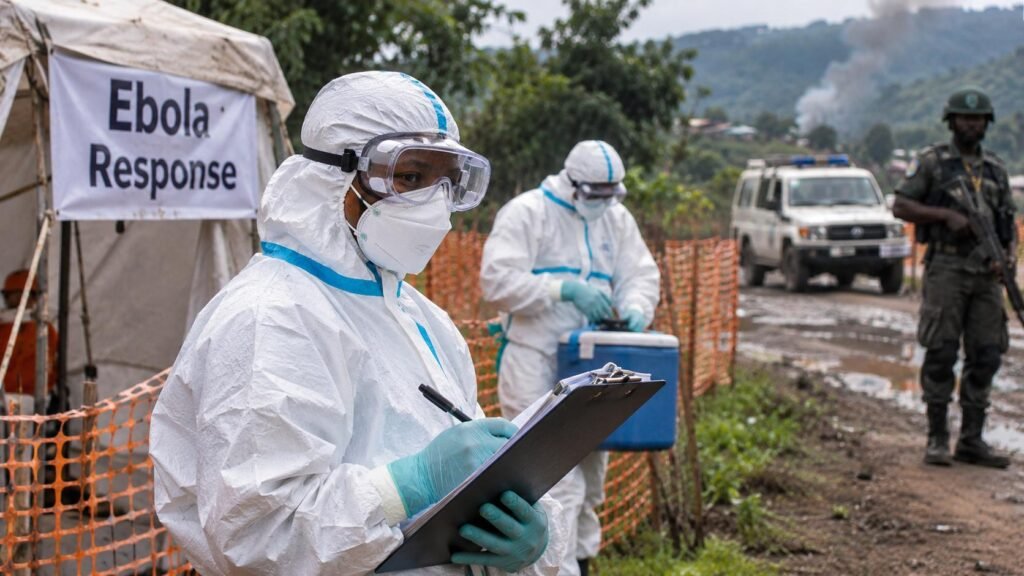
The assessment is not a report of an Ebola outbreak in Liberia. It is a preparedness and health-system review conducted while the region is managing the wider Bundibugyo Ebola emergency. The findings are intended to inform WHO’s next Country Cooperation Strategy with Liberia after the current strategy expires at the end of 2026.
Why it matters
Border surveillance is only as strong as the equipment, staff, referral pathways and isolation arrangements available to frontline teams. A screening point without suitable supplies or a functioning isolation option may detect a suspected case but struggle to manage the next steps safely. Similar gaps in routine facilities can affect maternal care, immunisation and treatment for common illnesses.
The findings also show why emergency preparedness and everyday health-system strengthening should be planned together. Staff, laboratories, supply chains and referral networks used during outbreaks are also essential to routine healthcare.
What happens next?
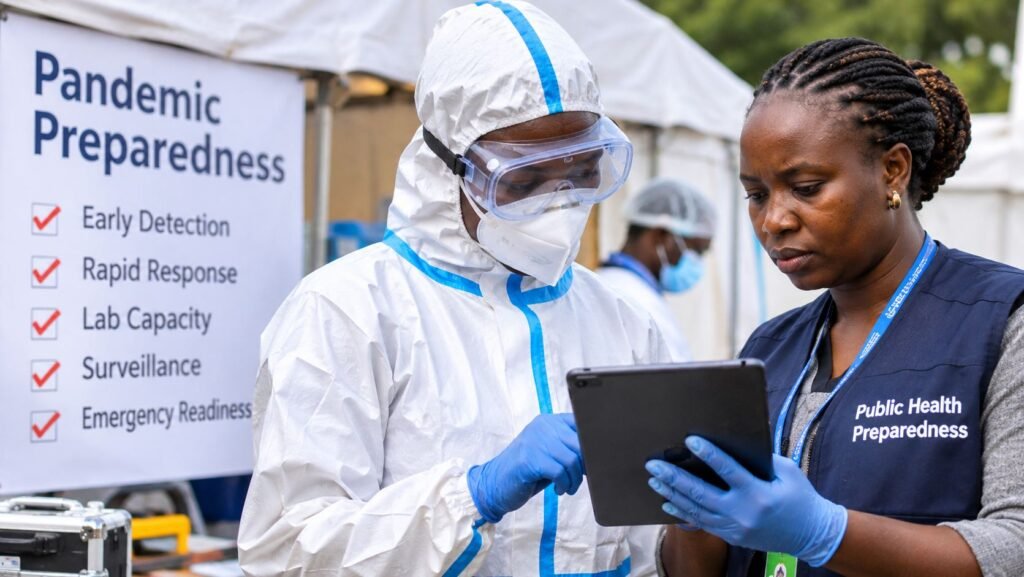
WHO says the findings will inform its next cooperation strategy with Liberia. Priorities include workforce development, stronger surveillance, improved laboratory capacity and health infrastructure. The next step for national and county authorities is to translate the assessment into a costed improvement plan with clear responsibilities, timelines and monitoring.
What it means for Kenya and the region
Kenya and other countries sharing borders with outbreak-affected areas can use similar readiness reviews to identify gaps before a suspected case arrives. Assessments should cover not only airport and land-border screening, but also the ability to isolate, test, refer and communicate with communities. Regional coordination is particularly important where people regularly cross borders for work, trade and family reasons.
What solutions are available?
Priority actions include providing screening and infection-control supplies, establishing or upgrading isolation capacity, training frontline staff, improving surveillance records, strengthening laboratory networks and ensuring reliable medicine and equipment distribution. County-level readiness dashboards and regular simulation exercises can help track whether identified gaps are closed.
Who is offering them?
The Government of Liberia and county health authorities are responsible for national and local implementation. WHO conducted the assessment and will use the findings to guide technical cooperation. Health facilities, border agencies and development partners will be needed to resource and deliver improvements.
Health Signal Africa will continue tracking: whether Liberia’s next cooperation strategy includes funded actions to address the specific gaps identified at border points and health facilities.
Sources and further reading
- WHO Africa — Assessment of health systems and emergency preparedness across three Liberian counties (2 November 2026)